Ovranette
Ovranette is a generic combined oral contraceptive pill containing ethinylestradiol and levonorgestrel.


Prices from £15.00
In stock. Simply fill in a brief consultation questionnaire and one of our doctors will review your request today.
-
Ovranette is a combined oral contraceptive pill, similar to another branded pill called Microgynon. Both contain the same active ingredients – ethinylestradiol and levonorgestrel. This means that they are effectively the same medication, just have different names, prices, inactive ingredients, and packaging.
Ovranette can be taken to prevent pregnancy and is over 99% effective when taken correctly. Most commonly, it is taken daily at the same time for 21 days, with a 7-day pill break afterwards. Combined pills like Ovranette can also relieve hormone-related symptoms like heavy, irregular, or painful periods, symptoms of polycystic ovary syndrome (PCOS), and endometriosis. In some cases, it can also help treat acne.
Ovranette is manufactured by Pfizer.


About Ovranette
-
-
Ovranette is a combined contraceptive pill prescribed to prevent pregnancy. It should be taken once a day for 21 days, with a 7-day pill break before you start your next strip. You’ll usually have a withdrawal bleed during this time, but you’re still protected from pregnancy as long as you’ve been taking it correctly. There are also other ways to take Ovranette, though this is the most common.
Ovranette contains ethinylestradiol and levonorgestrel, which are synthetic versions of oestrogen and progesterone. So, if you experience hormone-related problems like heavy, irregular, or painful periods, Ovranette has been proven in some cases to relieve these, along with acne.
-
-
Ovranette contains 2 synthetic versions of the hormones oestrogen (ethinylestradiol) and progesterone (levonorgestrel), which work together to prevent pregnancy by:
- stopping ovulation – the release of an egg
- thickening cervical mucus – prevents sperm from reaching the egg
- thinning the uterine lining – reducing chances of implantation of an egg
Due to the way the synthetic hormones work in Ovranette, it can also be used to help with hormone-related conditions or provide relief from period symptoms. Specifically, Ovranette has been clinically reported to also treat and ease pain associated with endometriosis, a condition where the lining of the uterus grows outside of itself. The pill can reduce oestrogen levels and slow the growth of this tissue.
Ovranette can also be used to manage symptoms of polycystic ovary syndrome (PCOS). For example, it can provide relief for heavy, painful, or irregular periods by:
- regulating periods
- making periods lighter
- easing period pain
If you have acne, Ovranette can help treat it because it reduces the levels of hormones which cause it. It can take a few months before you see changes or the full effect, as your body will be adjusting to the hormone changes when you first start taking it, so there may be more side effects during this time.
How long does Ovranette last?
If you stop taking Ovranette, it takes a few days for it to leave your body. Note that it can take a few months for your period to go back to how it was before you started taking it, as your hormones take time to regulate back to normal.
You are at risk of pregnancy as soon as you stop taking the pill, so it’s important to keep taking it or use alternative contraception if you do stop taking it if you do not want to get pregnant.
How long does Ovranette take to work?
You can be immediately protected from pregnancy if you start to take Ovranette on the first day of your period. You will not need to use an additional form of contraception to prevent pregnancy, though the pill cannot prevent STIs, so you may still want to use a condom.
If you start Ovranette after the first day of your period, you will need to use other contraception like condoms for the first 7 days of the first pack you are taking.
How effective is Ovranette?
Ovranette is over 99% effective when taken exactly as instructed and prescribed by your doctor.
In typical use, it’s around 91% effective. This is because of things like people missing pills or pills not working due to vomiting (being sick) or diarrhoea. Being sick or having diarrhoea can prevent the pill from being absorbed, especially if it lasts more than a few hours. This is the same as missing a pill.
-
-
You should take 1 Ovranette pill at the same time every day, and swallow it whole with water. Your Ovranette pills will come in a packet strip with arrows on. You should follow the arrows on the strip, taking a pill every day until you finish all of your pills.
Preferably, when first taking Ovranette, start it on the first day of your menstrual cycle (day 1 of your period) to be immediately protected. You can start it at any other time, but you’ll need to use an additional form of contraception to prevent pregnancy for 7 days, as this is how long it’ll take Ovranette to start working.
There are several different ways to take Ovranette. Which way you take it will depend on personal preference, as well as whether you’re taking it to help with period-related symptoms:
1. Taking the pill with a 7-day break (traditional method)
Take Ovranette every day at the same time for 21 days (the whole pill packet). You will then have a 7-day pill break, during this time you take no pills, and may experience a withdrawal bleed, which is like a period. This is not an actual period and is actually caused by the break from the hormones in the pill.
2. Tricycling the pill
Tricycling is a different method of pill taking where you take 3 pill packets in a row (making sure to take your pill at the same time every day) before having a 4-day break from pills. After the 4-day break, you’ll continue this cycle again. This means you’ll take fewer breaks and therefore have fewer ‘periods’ (withdrawal bleeds).
3. Continuous pill taking
Take Ovranette every day at the same time, just as you would with the other methods. However, when you finish a pill packet, you should start the next one the next day, without taking breaks. This means you’ll always skip the withdrawal bleed. You can take the pill like this long-term, and it’s been proven to be effective at improving period-related medical conditions.
If you want to try a different method of pill taking, make sure to discuss it with your doctor first. All of these methods are safe and effective.
When to take Ovranette
You can take Ovranette at any time, but you should take it at the same time each day. For example, if you start taking your first Ovranette pill at 5pm on a Friday, you should take it at 5pm on Saturday, and so on.
You should take Ovranette at a time that you know you will be available to take it every day. For example, you may set out to take it in the morning before you brush your teeth, or in the evening after dinner. We recommend setting an alarm or using a reminder app to help you remember when to take your pill.
-
-
Situation What to do It’s been less than 12 hours since my pill was due
Take the pill straight away and continue using Ovranette as usual.
You will still be protected from pregnancy.
It’s been more than 12 hours since my pill was due
Take the most recently missed pill right away, leaving any earlier missed pills in the strip. Take your next pills as usual – this may mean taking 2 pills in 1 day.
You’ll need to use condoms or another method of contraception for the next 7 days to be sure you are protected from pregnancy.
It’s been more than 12 hours since my pill was due, and there are 7 or more pills left in the pack
Use condoms for the next 7 days.
Once you have finished the strip, still take your 7-day break before your next strip (if you usually take a break).
It’s been more than 12 hours since my pill was due, and there are fewer than 7 pills left in the pack
Use a condom for the next 7 days.
Once you have finished this strip of pills, start the next one without a break (if you usually take a break).
If you do not experience a withdrawal bleed after you finish the second strip, we recommend taking a pregnancy test before starting another strip.
I missed 1 or more pills from the first week of my strip (days 1 to 7)
If you have had sex during that week, there’s a chance you could be pregnant. Speak to your doctor for further advice.
-
-
If you take too many Ovranette pills, you may experience side effects, such as:
- nausea and vomiting
- breast tenderness
- dizziness
- stomach ache
- fatigue
You may also experience vaginal bleeding. You should contact your doctor or dial 111 if you think you may have taken too many Ovranette pills.
What if I throw up or have diarrhoea after taking Ovranette?
If you vomit or have diarrhoea within 4 hours of taking Ovranette, you should take another pill as soon as you are able to, and then continue to take your next pills at your usual time.
If you continue to vomit or have diarrhoea after this time, you should use additional contraception like a condom until you are better, and for 7 days after.
-
-
Ovranette is available to request from regulated and reputable online doctor services like ZAVA. It’s also available to request from your GP on the NHS. Ovranette is a prescription-only contraceptive pill, this means you will need a consultation with a healthcare provider before you are able to buy it.
Can I buy Ovranette online?
You can request Ovranette online from regulated online doctor services like ZAVA. All you need to do is:
- Fill in a short medical questionnaire so one of our doctors can assess if Ovranette is suitable for you.
- If approved, you can go ahead and click to buy Ovranette.
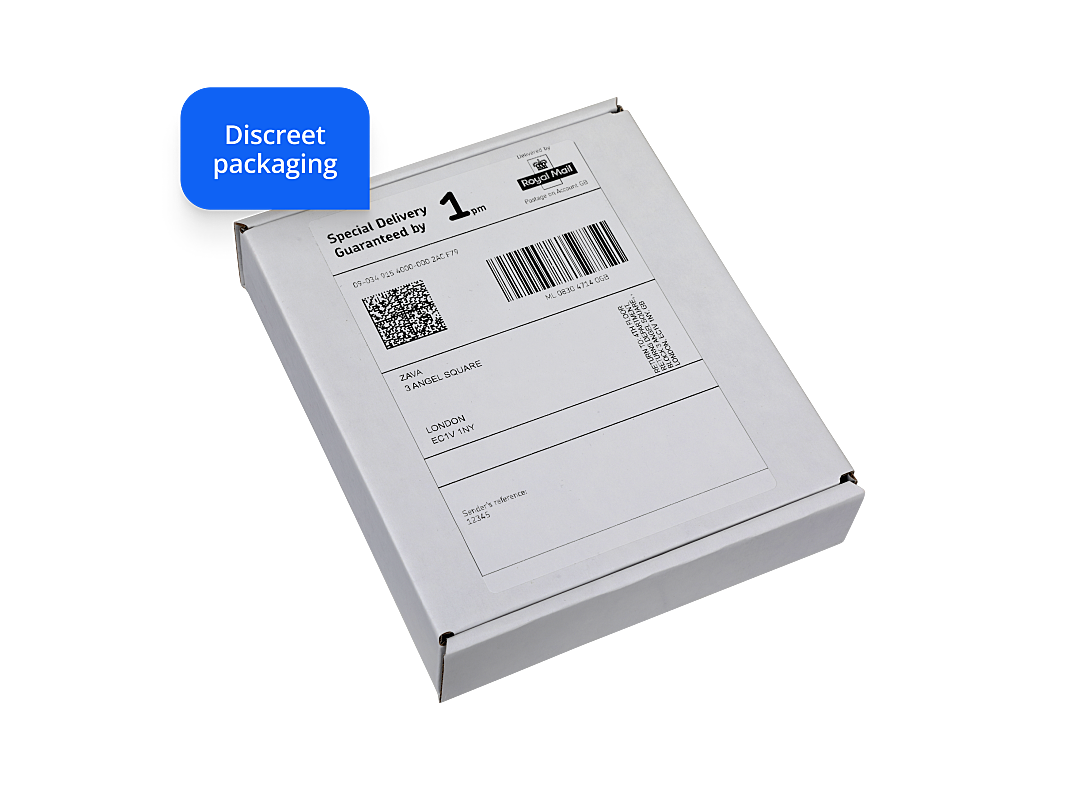
- Ovranette will be delivered discreetly and safely to your door in unmarked packaging with our quick delivery service.
Can I buy Ovranette over the counter?
No, Ovranette is only available to buy if you have a prescription. This is because a doctor will need to assess your suitability due to potential health risks associated with taking oestrogen and progesterone.
If you are looking for a contraceptive available over the counter, Hana, the ‘mini pill’ (progesterone only pill) is available from ZAVA and most pharmacies.
Can I get Ovranette on the NHS?
Yes, you can request Ovranette on the NHS from your local GP or sexual health clinic. Though you would first need a consultation to obtain it.
-
-
Like all medications, Ovranette may cause side effects. However, not everyone will experience them.
Very common side effects (may affect more than 1 in 10 people) include:
- headaches
- breakthrough bleeding or spotting
Common side effects (may affect up to 1 in 10 people) include:
- nausea
- vomiting
- thrush
- stomach pain or cramps
- weight fluctuations (due to water retention changes as a result of hormonal changes)
- dizziness
- nervousness
- changes in sex drive
- tender breasts
- changes in secretion from the breast, breast enlargement
- acne
Uncommon side effects (may affect up to 1 in 100 people) include:
- diarrhoea
- appetite changes
- changes in menstrual flow
- brown patches on face or body
- hives
- rashes
- fluid retention resulting in swollen ankles, hands, or feet
- blood pressure increase (signs of this include headache, blurred vision, difficulty breathing, or nosebleeds)
- changes in cholesterol
Rare side effects (may affect up to 1 in 1000 people) include:
- change in glucose tolerance
- contact lenses may feel uncomfortable
- red lumps on skin that are uncomfortable
- period pain
- vaginal discharge
- pink-red blotches on skin
Very rare side effects (may affect up to 1 in 10,000 people) include:
- inflammation of the pancreas
- gallbladder disease
- loss of vision
- worsening of porphyria
- liver tumor
- worsening chorea
You should seek medical attention immediately by calling 111, contacting a doctor, or calling 999 in an emergency if you experience any of these serious side effects of Ovranette:
Signs of a blood clot:
- painful swelling in leg
- difficulty breathing
- sudden chest pain
Signs of a heart attack or stroke:
- migraine for the first time that is worse than normal
- sudden changes to eyesight (loss of vision or blurred vision)
- problems with speech (for example, slurring)
- sharp pains in chest and left arm
- dizziness
- fainting
- seizures
- sharp pains in stomach
Signs of a severe allergic reaction:
- swelling of face, lips, mouth, tongue, or throat
- difficulty breathing
- dizziness
- fainting
- rash
Signs of breast cancer:
- dimpling of skin on breast or nipples
- lumps in the breasts
Signs of cervical cancer:
- vaginal discharge containing blood
- unusual vaginal bleeding
- painful sex
- pelvic pain
How long do Ovranette side effects last?
Ovranette side effects are usually mild and tend to go away within the first 3 months of taking it. Your body will take this time to adjust to the hormonal changes that Ovranette will create in your body to help you prevent pregnancy.
If you experience any side effects that affect your day-to-day life and become persistent, you should speak to your doctor, and they may suggest an alternative contraceptive pill.
What to do if you get Ovranette side effects
Side effects for Ovranette are usually mild, but if they begin to disrupt your life as your body adjusts to Ovranette, there are ways to manage them. If you experience very common side effects such as:
- headaches – use painkillers like paracetamol or ibuprofen, make sure to stay hydrated
- spotting – use panty liners where possible
- nausea – take the pill with food, especially after dinner or before bed
For common side effects, such as:
- thrush – try thrush treatments like over-the-counter antifungal creams or oral tablets, and speak to your doctor if you get recurrent thrush
- stomach ache – try taking the pill with food, or eating smaller, more frequent meals
- changes in sex drive – communicate openly with your partner or speak to your doctor about an alternative contraceptive method
- acne – experiment with a skincare routine or consult your doctor, acne treatments are available
- tender breasts – make sure to find a supportive, comfortable bra and consider taking painkillers
- vomiting – consider taking Ovranette with food or switching to an alternative pill if this persists
If you experience persistent or severe side effects from Ovranette, you should consult your doctor. If you are having trouble with side effects, we recommend trying to adjust your pill schedule or switch to an alternative.
-
-
Ovranette is an effective way to prevent pregnancy, though this does not mean it is right for everyone.
Do not take Ovranette if you:
- are pregnant
- have breast cancer
- have unexplained vaginal bleeding
- or anyone in your close family has ever had a problem with blood circulation, including: blood clot, deep vein thrombosis, blood clot in the lung, heart attack, or stroke
- have very high blood pressure
- have an irregular heartbeat
- have migraine with aura
- have diabetes
- are 35 years old or over and smoke more than 15 cigarettes per day
- have systemic lupus erythematosus
- have ever had liver tumours or severe liver disease
- are allergic to levonorgestrel, ethinylestradiol, or other ingredients in Ovranette
Tell your doctor before taking Ovranette if you have existing or previous health conditions, such as:
- diabetes
- heart disease
- high blood pressure
- problems with your heart, circulation, or blood clotting
- liver problems or gallstones
- high levels of cholesterol
- migraines
- angioedema (swollen face, tongue and throat, or difficulty swallowing or hives)
- any illness that worsened during pregnancy
Certain medications can interact with Ovranette, or Ovranette may impact the way some medications work, including St John’s Wort and some medications or antibiotics used to treat:
- epilepsy
- tuberculosis
- HIV or AIDS
- fungal infections
- sleep disorders
- inflammatory conditions, such as gout
- bacterial infections
- asthma
- rejection after an organ transplant
-
-
If you don’t think Ovranette is the right contraceptive pill for you, there are other options available, including other combined contraceptive pills, progesterone-only pills, alternative hormonal contraceptive methods (not pills) and more.
Combined contraceptive alternatives
If you feel Ovranette is not right for you, there are a range of alternative combined contraceptives available. Each contains different active ingredients, but they are all over 99% effective when taken correctly and work in the exact same way to prevent pregnancy.
Combined contraceptives available at ZAVA include:
➤ To browse more combined contraceptive pills available at ZAVA, visit our treatment page.
Progesterone-only (mini pill) alternatives
Mini pills are pills which contain only progesterone to help prevent pregnancy. In some cases, they cause fewer side effects than combined oral contraceptives. You may want to try a progesterone-only hormone pill if you:
- are over the age of 35
- smoke
- are sensitive to oestrogen
Mini pills available at ZAVA include:
Other hormonal options
If you have trouble keeping track of when to take your contraceptive pill, there are alternative options available for preventing pregnancy, including:
- vaginal ring
- contraceptive implant
- contraceptive injection
- intrauterine system (IUS)
- contraceptive patch (such as Evra)
Non-hormonal contraceptives
If you are unsure whether using hormonal contraception is right for you, there are non-hormonal contraceptive options available, like:
- condoms
- copper intrauterine device (IUD)
- diaphragms
➤ You can find out more information by checking out our guide to different types of contraceptive methods.
-
-
How should Ovranette be stored?
Ovranette should be stored in its original packaging and below 25°C (about room temperature).
In which pack sizes is Ovranette available?
Ovranette comes in pack sizes of 1, 3, and 5 blister strips of pills. At ZAVA, you can request:
- 6 x 21 pills
- 3 x 21 pills
What does Ovranette look like?
Ovranette is a white, round tablet packed in aluminium blister strips.
Is Ovranette discontinued?
No, Ovranette is not discontinued, and can be prescribed at ZAVA.
Can I take Ovranette while breastfeeding?
It’s advised to avoid combined pills like Ovranette until 6 weeks after giving birth if breastfeeding. You should speak to your family planning nurse or a doctor to find a suitable contraceptive alternative if you need protection before this.
Does Ovranette affect your periods?
Yes. Ovranette can make your period lighter, more regular, and less painful. Some people report that their periods stop altogether when taking Ovranette, and you can also take Ovranette continuously to skip the withdrawal bleed.
It has been observed in clinical trials that combined oral contraceptive pills like Ovranette can also help with hormone-related heavy menstrual bleeding and pain.

Brenda studied medicine at St Georges University of London and has most recently worked in John Radcliffe Oxford University Hospitals, covering acute and general medicine.
Meet our doctorsLast reviewed: 22 May 2025
-
Hormonal treatments for endometriosis: The endocrine background, Endocrinology & Metabolic Disorders Journal [accessed April 2025]
-
Ovranette 150/30 micrograms Coated Tablets, emc [accessed April 2025]
-
Combined hormonal contraceptives for heavy menstrual bleeding, National Library of Medicine [accessed April 2025]
-
Acne: Research summaries – Which birth control pills can help reduce acne?, National Library of Medicine [accessed April 2025]
-
Metformin and Combined Oral Contraceptive Pills in the Management of Polycystic Ovary Syndrome: A Systematic Review and Meta-analysis, Endocrine Society [accessed April 2025]



Contraceptive pills are a reliable way of reducing your risk of getting pregnant from sex. ZAVA offers most common brands of pill, so you can order your preferred brand by visiting our contraceptive pill service page.




In stock. Prices from £15.00
 Secure payment


