The ultimate guide to different types of contraceptive methods

Medically reviewed by
Dr Babak AshrafiLast reviewed: 30 Jun 2025
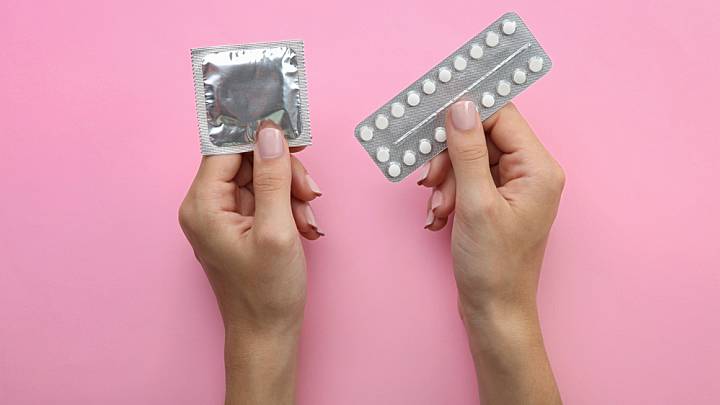
A guide to 16 different methods of contraception
Contraceptives can be used to help avoid unwanted pregnancies, and some can also protect against sexually transmitted infections (STIs). However, there are many different types of contraceptives to choose from, so it can be difficult finding what’s right for you.
We’ve collected key information on 16 commonly-used methods of contraception, sorted into 5 main categories – to help you figure out how best to protect yourself.
What methods of contraception are there?
There are a range of types of contraceptives available in the UK that come under a few different categories, including:
- hormonal methods like contraceptive pills, contraceptive patches, the contraceptive injection, contraceptive implants, the intrauterine system and the vaginal ring
- barrier methods like male and female condoms, contraceptive diaphragms and cervical caps
- emergency contraception, like the morning after pill and intrauterine devices
- long-term and permanent methods like male and female sterilisation, the contraceptive implant and contraceptive coils, like the intrauterine system and intrauterine devices
- ‘natural’ contraceptive methods like family planning, fertility awareness and the withdrawal method
Hormonal contraception methods
Hormonal contraceptive methods contain artificial versions of hormones that naturally occur in the body. They contain progesterone only, or progesterone and oestrogen together. You can get hormonal contraception in the form of:
- pills
- injections
- implants
- patches
- vaginal rings and devices
— Dr Babak Ashrafi, Clinical Lead for Service ExpansionHormonal contraceptives may come with some extra benefits because of the effect the hormones have on your body. These can include improvements to acne, lighter, less painful periods, and a reduction in premenstrual symptoms (PMS). On the other hand, these hormones come with a risk of some side effects and not everyone can take them, which is why we ask about your medical history before approving treatment.
The combined contraceptive pill
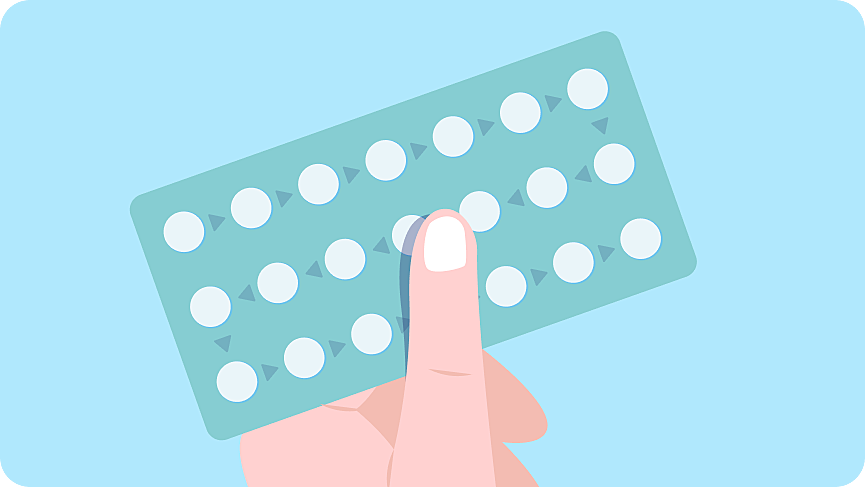
What is the combined contraceptive pill?
The combined contraceptive pill is one of the 2 main types of contraceptive pills. It contains 2 artificial versions of natural female hormones, which work together to help prevent pregnancy. These two hormones are called progesterone and oestrogen.
How the combined contraceptive pill works?
Combined pills help prevent pregnancy by:
- preventing eggs from being released (also known as ovulation)
- thickening the mucus at the entrance to the womb to keep sperm out
- thinning the lining of the womb so any egg that does get fertilised cannot attach and grow
How effective is the pill?
When taken perfectly, the combined pill is over 99% effective.
However, because people sometimes miss pills or get sick (vomiting or diarrhoea can prevent the pill from being absorbed properly), with typical use, its effectiveness is closer to 91%.
How to use the combined contraceptive pill
Usually, the combined contraceptive pill is taken as follows:
- Swallow 1 pill, with some water if needed, at the same time every day.
- Your pill packet should come with the days of the week listed, always start with the day of the week it is and follow it round.
- After you finish your pill packet of 21 pills, you’ll take a 7-day pill-free break, which can cause a withdrawal bleed.
- After 7 days, start your next pill packet and continue this cycle.
There are other ways to take the combined pill that involve fewer breaks, or none at all. Your doctor can provide advice on how to do this and what may be most suitable for you, depending on other factors, such as whether you have heavy periods and would benefit from fewer or no breaks between pills.
Who can use the combined contraceptive pill?
The combined pill might be suitable for you if you have started your periods and it’s safe for you to take oestrogen (an ingredient in the combined pill).
Oestrogen can be better at improving some hormone-related health conditions than the mini pill, including acne and period problems. It’s usually not suitable if you have or have ever had:
- a blood clot, or a family member has had a blood clot before they were 45 years old
- narrowed or blocked arteries
- stroke
- heart problems, heart disease, or high blood pressure
- migraines with aura
- breast cancer
- diabetes with complications
- liver cancer or severe liver damage
- gallbladder or bile duct problems
- an allergic reaction to any of the ingredients in your chosen pill
As the combined pill is taken to prevent pregnancy, it’s not safe to use if you are pregnant or think you might be.
If you’re breastfeeding, you can take the combined pill at least 6 weeks after giving birth.
Where to get the combined contraceptive pill
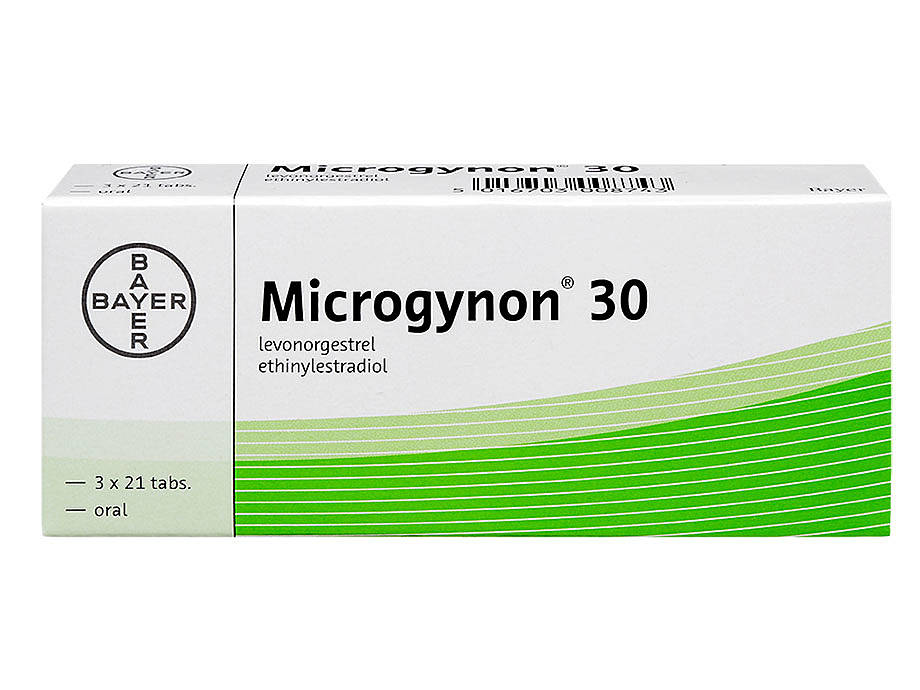
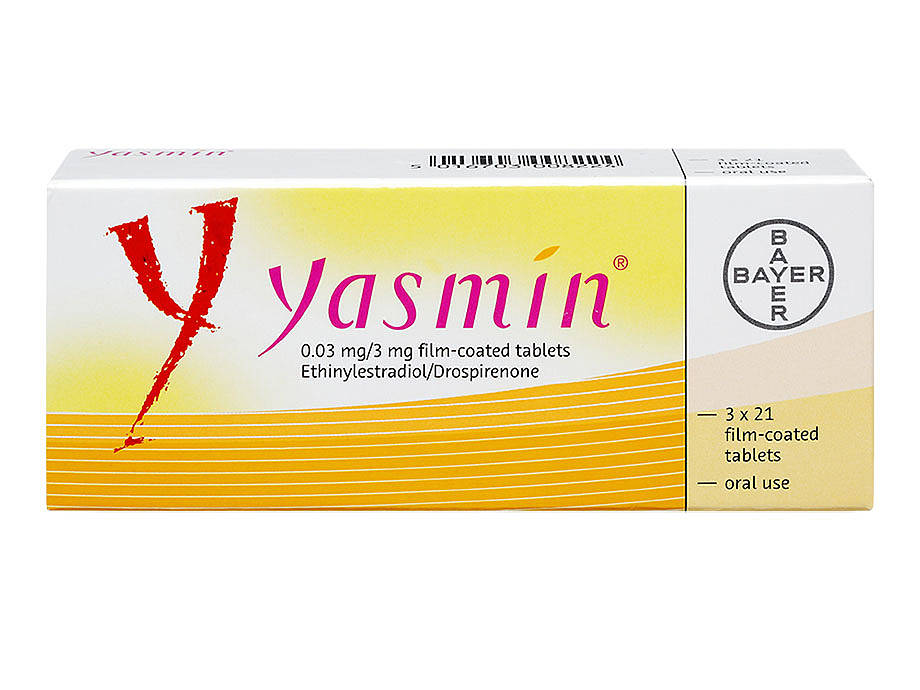
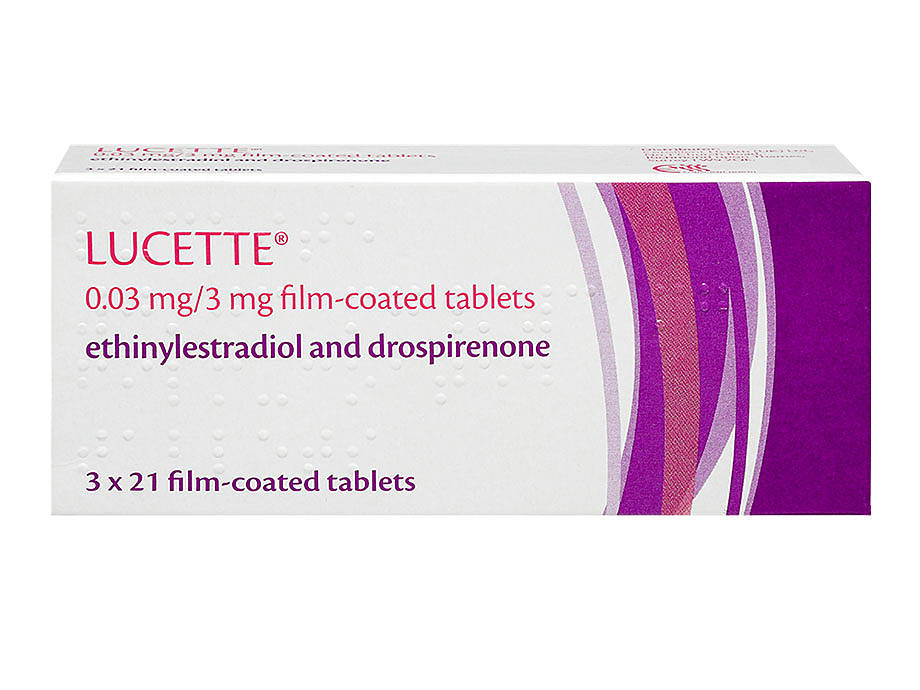
You can get the combined contraceptive pill online from regulated online doctor services such as ZAVA. You can also get it from your GP, some pharmacies, a sexual health clinic, and some young people’s services. We can prescribe many different brands of combined pill, including:
➤ It’s not always easy to find the best contraceptive pill for you, but our guide on contraceptive pill brands may help. Or you can get our doctors to recommend a pill for you.
Side effects and risks
When you first start taking the pill, there may be some side effects. These usually settle as your body adjusts to the medication, and include:
- breakthrough bleeding or spotting
- headaches
- feeling sick (nausea)
- breast tenderness
Most side effects should get better within 3 months, but you must let your doctor know if they do not get better, or if they are severe or unmanageable.
Taking the combined pill is known to increase your risk of blood clots and certain types of cancer that are sensitive to sex hormones, such as breast and cervical cancer. This risk is very low, affecting up to 1 in 1,000 people. Your doctor will not prescribe the pill if you are already at risk of either of these.
Find your combined pill online


The mini pill (progesterone-only pill)
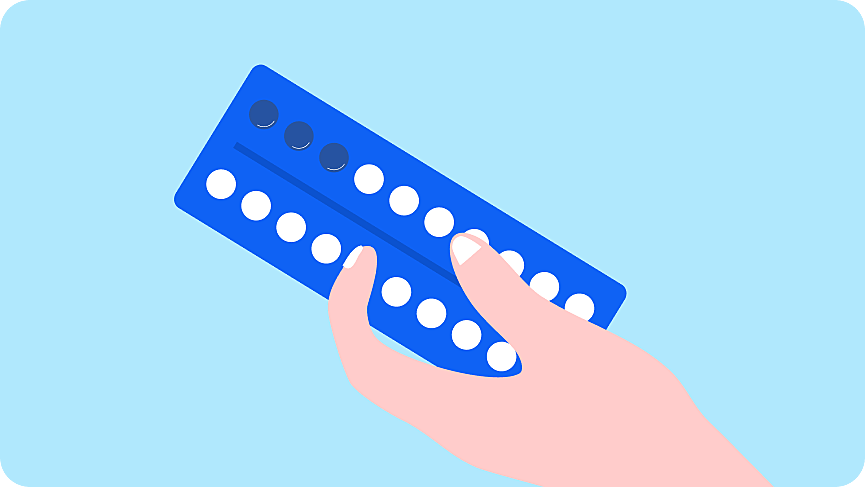
What is the mini pill?
The mini pill is another kind of contraceptive pill that only contains progesterone. This means it still prevents pregnancy, but works slightly differently.
How it works
The mini pill works by:
- thickening the mucus at the entrance to the womb to keep sperm out
- thinning the lining of the womb so any egg that does get fertilised cannot attach and grow
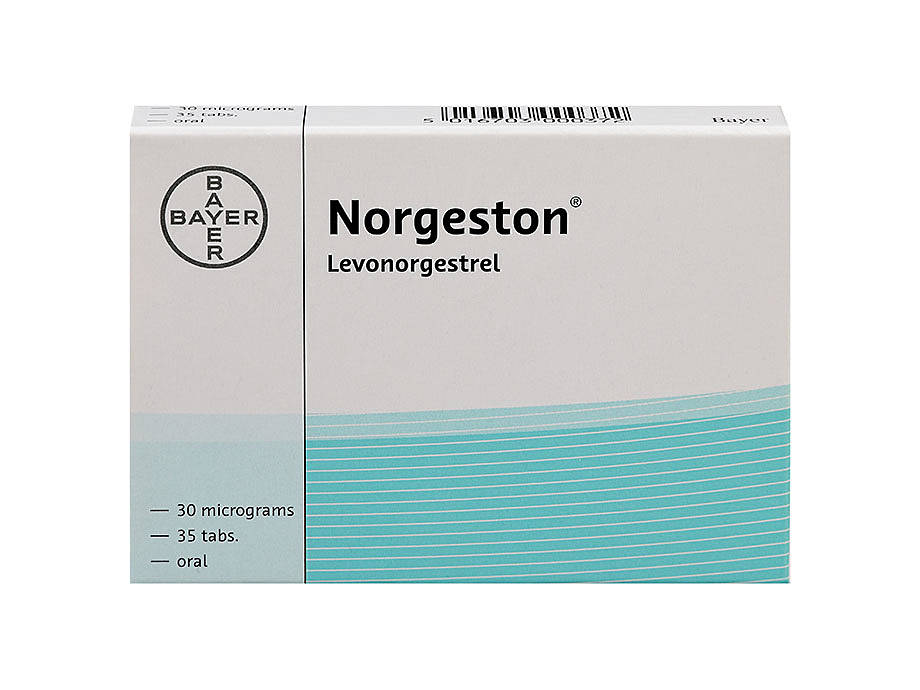
Unlike the combined pill, not all mini pills stop eggs from being released. Only mini pills containing the active ingredient desogestrel (a type of progesterone) do this. As well as desogestrel mini pills, there are a couple of other types, including ones that contain levonorgestrel and norethisterone.

How effective is the mini pill?
When taken perfectly, the progesterone-only pill, like the combined pill, is over 99% effective.
However, with typical use, its effectiveness is closer to 91% because people sometimes miss pills or get sick.
How to use the mini pill
The mini pill is taken continuously, meaning you take no breaks between pill packets. You should take your mini pill as follows:
- Swallow 1 pill, with some water if needed, at around the same time every day.
- Your pill packet comes printed with the days of the week – we recommend starting with the day of the week it is, then follow it round. This can help you keep track, so you remember to take it or notice if you miss a pill.
- After you finish your pill packet, start a new packet the next day, without a break.
- Continue this cycle for as long as you want to take the mini pill.
Important: Missing pills could be easier with the mini pill, depending on which one you take. There are 2 different types of mini pills:
- 3-hour pills – must be taken within 3 hours of the same time each day, such as Norgeston
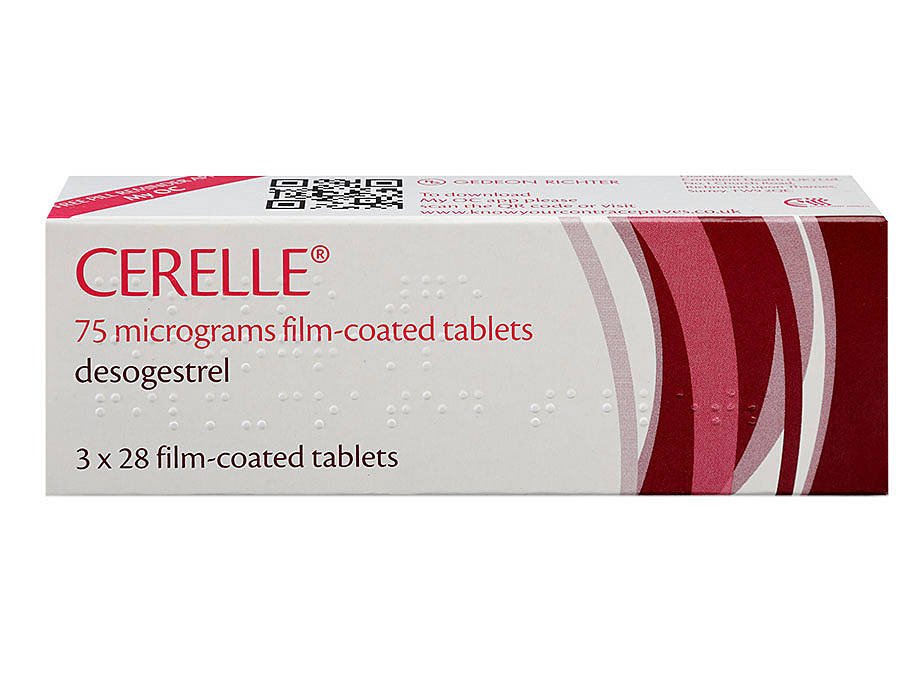
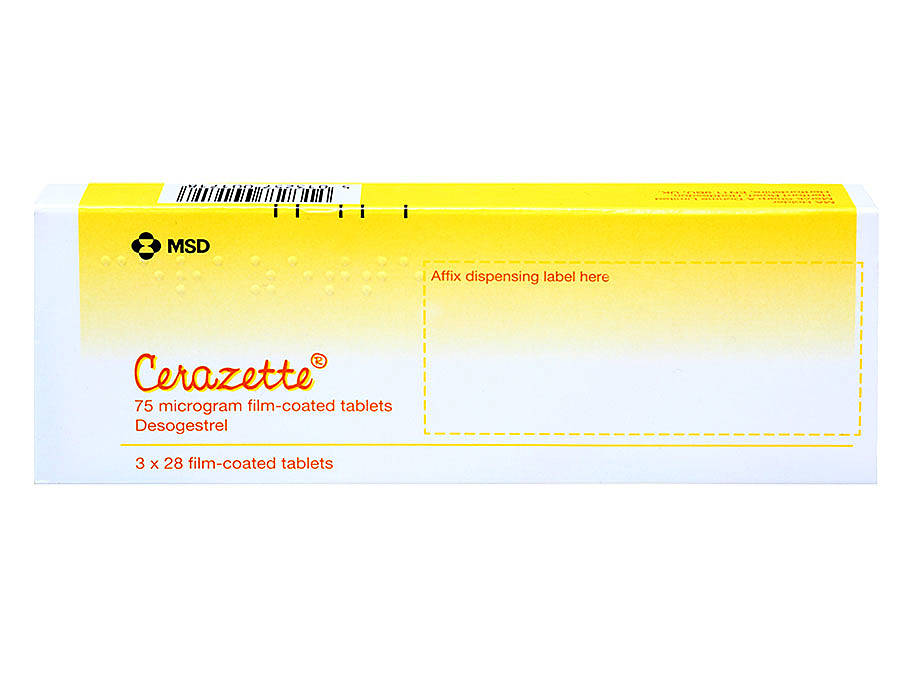
- 12-hour pills – must be taken within 12 hours of your usual time each day, such as Cerazette
Who can use the mini pill?
The progesterone-only pill may be suitable even if you cannot take the combined pill, such as if you’re a smoker over 35 or you're sensitive to oestrogen.
Mini pills are usually not suitable if you:
- have a type of cancer that is affected by sex hormones
- have or have had a blood clot
- have jaundice or severe liver disease, or a history of either of these (unless your liver function has returned to normal)
- get unexplained vaginal bleeding
- repeatedly experience bleeding after sex
- are allergic to any ingredients in the pill
- have taken a positive pregnancy test, or think that you may be pregnant
- have not started your periods yet
You can usually take the mini pill while breastfeeding and straight after giving birth, while you’d need to wait longer if you wanted to take the combined pill.
Where to get the mini pill
You can get the mini pill online from regulated doctor services, including ZAVA. The mini pill is also available from your GP, certain pharmacies, some young people’s services, or a sexual health clinic. We can prescribe many different brands of mini pill, including:
Side effects and risks
You may get some mini pill side effects when you first start taking it. These side effects are usually temporary and often go away within a few months when your body adjusts.
Common side effects of the mini pill include:
- headache
- feeling sick (nausea)
- acne
- mood changes
- breast tenderness
- irregular or no periods
- increased body weight
There is a risk of developing ovarian cysts (fluid-filled sacs) while taking the progesterone-only pill. These are not dangerous, are usually symptomless, and do not need to be removed. Sometimes, they cause pelvic pain, so speak to your doctor if this happens.
There’s a possible link between the progesterone-only pill and breast cancer, though evidence is still limited. The risk of breast cancer while taking the mini pill is thought to be lower than taking the combined pill.
Find your mini pill online



The contraceptive injection

What is the contraceptive injection?
The contraceptive injection is an injectable type of contraception that only contains progesterone, the same type of hormone that’s in the mini pill. There are a few different types of contraceptive injections, such as:
- Depo Provera, the brand name of a medroxyprogesterone injection, which lasts 12 to 13 weeks
- Noristerat, which contains the progesterone norethisterone and lasts 8 weeks
- Sayana Press, which contains medroxyprogesterone like Depo Provera and lasts 13 weeks
How the contraceptive injection works
Like other progesterone contraceptives, it stops the ovaries from releasing an egg (ovulation). It can also thicken cervical mucus to stop sperm from reaching the womb.
How effective is the contraceptive injection?
When used correctly (always taken on time), the contraceptive injection is over 99% effective.
With typical use (you get your injection later than the day it’s due), it becomes 94% effective.
How to use the contraceptive injection
Contraceptive injections are commonly given by a healthcare professional, though with Sayana Press, you can inject at home after being shown how to.
Healthcare professionals typically inject this kind of contraceptive into your buttocks, but if you do it yourself, you should use your lower stomach or the front of your thigh.
Who can use the contraceptive injection?
The contraceptive injection contains progesterone, so may not be suitable if you:
- have ever had breast cancer, heart attack, stroke, a liver condition, or unexplained vaginal bleeding
- have diabetes, high blood pressure, or high cholesterol
- smoke
- are obese
- take certain medications used to treat cancer, tuberculosis (TB), epilepsy, HIV, fungal or bacterial infections, and high blood pressure
Where to get the contraceptive injection
You can get the contraceptive injection from your GP, at a sexual health clinic, and at some young people’s services. Some online services offer Sayana Press, although we do not offer this at ZAVA.
Side effects and risks
Commonly, the contraceptive injection can cause side effects, including:
- period changes, such as no period, irregular periods, or longer periods than normal – the longer you take the injection, the more likely you are to stop having periods
- weight gain
- pain, irritation, scarring, or a small lump at the injection site
There are also reports of side effects like low sex drive, acne, mood changes, hot flushes, and headaches while using the injection.
The contraceptive implant

What is the contraceptive implant?
The contraceptive implant is a long-acting method of contraception inserted by a doctor or nurse. It looks like a matchstick-sized piece of plastic, inserted under the skin of your upper arm. It releases progesterone very slowly into your bloodstream to prevent pregnancy. While it lasts for a long time (up to 3 years), it can be removed at any time.
How the contraceptive implant works
The implant works just like the mini pill, by releasing an artificial version of the hormone progesterone. This means it:
- stops ovulation
- thickens the cervical mucus to keep sperm out
- thins the lining of the womb to stop fertilised eggs growing
How effective is the contraceptive implant?
The contraceptive implant is one of the most effective contraceptive methods, being over 99% effective, even when typical use is considered . This is because it stays in place in your arm, and you do not need to remember to take it every day.
The implant will only reduce in effectiveness if not replaced after 3 years.
How to use the contraceptive implant
There is not much you need to do when getting the contraceptive implant, aside from making an appointment to get it. During your appointment, a nurse or doctor will:
- Numb your arm with local anaesthetic so you will not feel it.
- Make a small incision to insert the implant, which is about the size of a matchstick. Once inserted, you may be able to feel it with your fingers, but it will not be very visible and should not cause any discomfort or pain.
- Apply a small dressing to the area. They’ll let you know how long you need to wear this for, but usually no longer than a couple of days.
Once inserted, the implant can stay in your arm for up to 3 years at a time. You just need to remember to make an appointment to replace it. The clinic where you got the implant inserted may send reminders closer to the time, though you should check this with them first.
Who can use the contraceptive implant?
The implant is suitable for most people, but you may not be able to use it if you’ve ever had:
- a liver condition
- a condition affecting your cardiovascular system (your heart or blood vessels), such as a stroke
- breast cancer
- unexplained vaginal bleeding
If you’re taking certain medications, such as those used to treat HIV, tuberculosis, or epilepsy, the implant may also not be suitable.
Where to get the contraceptive implant
You can get the implant for free through the NHS at certain GP surgeries, a sexual health clinic, or at some young people’s services. It may also be available privately.
Side effects and risks
The contraceptive implant can sometimes cause side effects, most commonly when you first get it inserted and in the first few months. The implant may change your periods, such as causing them to be:
- lighter
- less regular
- heavier or more painful
- longer
- stopped completely
Some other side effects that may be linked to the implant include headache, breast soreness, acne, thrush, weight gain, and bacterial vaginosis (BV).
There are a few risks associated with the insertion of the implant, including:
- infection at the insertion site
- the implant moving a few centimetres from its original position – while not usually a cause for concern, it’s important to speak to a doctor straight away so they can check it
- blood clot (rare)
- ectopic pregnancy (rare)
The contraceptive patch

What is the contraceptive patch?
The contraceptive patch is a patch containing artificial hormones that help protect against unwanted pregnancies. The contraceptive patch is stuck to your skin (usually on the arm) for several days and slowly releases medication into your body.
How the contraceptive patch works
Like the combined contraceptive pill, the contraceptive patch contains artificial versions of the hormones oestrogen and progesterone, working to:
- stop ovulation (eggs being released from the ovaries)
- thicken cervical mucus to prevent sperm entering the womb
- thin the womb lining stopping fertilised eggs attaching
How effective is the contraceptive patch?
The patch has the same effectiveness as both contraceptive pills. That means it's over 99% effective if used perfectly.
When typical use is taken into account, such as a patch falling off, not being applied properly, or missing your patch change date, it becomes around 91% effective.
How to use the contraceptive patch
Here’s a simple guide to using the contraceptive patch Evra:
- Apply the patch to a clean, hairless area of your skin by peeling back the foil and attaching the sticky side of the patch to your skin. The most common areas to use are the:
- top of your back
- top of your arm
- stomach
- bottom

Do not apply the patch to wet skin, or it will lose its stickiness.
2. For weeks 1, 2, and 3, apply a new patch every 7 days. Always replace the patch with a new one and leave it on for exactly 7 days.
3. On week 4, remove your patch and do not apply another for 7 days. You might have a breakthrough bleed.
4. Repeat this method for as long as you want to use EVRA patches, unless you want to try a different method of taking it.
You may be able to take it continuously, but speak to your doctor first.
Who can use the contraceptive patch?
The contraceptive patch contains both progesterone and oestrogen, like the combined pill, so if you’re not suitable for the combined pill, you most likely will not be able to take the patch either.
The contraceptive patch may not be suitable if you:
- are obese
- smoke and are over 35
- have ever had certain medical conditions, such as blood clots, problems with your arteries or heart, migraine with aura, breast or liver cancer, diabetes complications, and gallbladder or bile duct problems
Where to get the contraceptive patch
You can get the contraceptive patch online from regulated services, like ZAVA. After a quick consultation that checks your health and suitability, we can prescribe the Evra contraceptive patch.
You can also get it from your GP, at a sexual health clinic, or from some young people’s services.
Side effects and risks
Some side effects can occur when you use the contraceptive patch, most commonly in the first few months of starting it. Common side effects include:
- changes to your period
- bleeding between periods (also called breakthrough bleeding)
- headaches
- dizziness
- breast soreness
Taking the contraceptive patch can increase your risk of blood clots and cancer that is sensitive to sex hormones, like breast or cervical cancer. This risk is very low, and your doctor will not prescribe it if you have any risk factors for these conditions.
Coil contraception: the hormonal coil (IUS)

What is the contraceptive coil?
The contraceptive coil is a long-acting, reversible method of contraception known as an intrauterine system (IUS). It’s a plastic, T-shaped device fitted in the womb (uterus) by a doctor or nurse that can last 3 to 8 years. Common brand names of the hormonal coil include:
- Mirena
- Kyleena
- Levosert
- Jaydess
- Benilexa
There are 2 types of coil – the intrauterine device (IUD) and the intrauterine system (IUS). Only the IUS is hormonal, the IUD is non-hormonal and can be used as emergency contraception, so it’s discussed in detail in the ‘emergency contraception’ section.
How the contraceptive coil works
The IUS releases artificial progesterone slowly into your womb. This means it works like other progesterone-only contraceptives to:
- thicken the mucus at the opening of the womb to keep sperm out
- thin the lining of the womb to stop any fertilised eggs from implanting and growing
How effective is the contraceptive coil?
The IUS is one of the most effective contraceptive options because once inserted, you do not need to do anything for 3 to 8 years, so there’s a very low chance of error. This means it's always over 99% effective.
How to use the contraceptive coil
The hormonal coil must be fitted at a clinic by a trained healthcare professional. The process usually takes around 5 to 10 minutes. At the appointment, a nurse or doctor will:
- Gently insert a speculum (a smooth tool also used during cervical screening) into your vagina using lubricant. This can open up the vagina so they can access your womb.
- Insert the IUS into your womb. Some people find this painful, so you may want to take over-the-counter pain medication before the appointment to help.
An IUS is connected to 2 thin, soft threads that hang down into the top of your vagina so you can check it is in the right place, similarly to how a tampon string hangs down. In the first few weeks, check if your IUS is still in place regularly, then a few times every month, especially after a period.
Who can use the contraceptive coil?
An IUS may not be suitable for everyone. You cannot use it if you have:
- or have ever had breast cancer
- cervical or womb cancer
- a liver condition
- unexplained vaginal bleeding
- a history of serious heart disease or stroke
- an STI or pelvic infection, such as pelvic inflammatory disease
- problems with your womb or cervix
Where to get the contraceptive coil
An IUS can only be fitted by a healthcare professional. It’s available on the NHS for free through some GP surgeries, sexual health clinics, and certain young people’s services. You may be able to get the IUS fitted in a private clinic.
Side effects and risks
Most side effects of the IUS happen in the first few months of having it fitted, as your body gets used to the hormones. Common side effects include:
- period-like pain
- bleeding between periods (spotting)
- other period changes, including a lighter or heavier bleed, irregular periods, or more frequent bleeds
Other reported side effects include headaches, acne, sore breasts, and mood changes.
Some risks come with the IUS, such as:
- ovarian cysts – these are usually harmless and go away without treatment
- recurrent thrush (this risk is small)
- the IUS moving or falling out – let your doctor know straight away, as this could mean you’re at risk of pregnancy
- pelvic infections (usually in the first 3 months)
- damage to your womb
- ectopic pregnancy, if the IUS fails to prevent pregnancy
The vaginal contraceptive ring

What is the contraceptive ring?
The vaginal ring is a piece of circular plastic that you place in your vagina. The ring works in the same way as the combined pill, releasing artificial versions of progesterone and oestrogen.
How the contraceptive ring works
Because it contains both oestrogen and progesterone, it works the same way as other combined hormonal contraceptives. The vaginal ring stops:
- eggs from being released from the ovaries (also known as ovulation)
- sperm entering the womb by thickening the mucus at the entrance
- fertilised eggs growing by thinning the womb lining
How effective is the contraceptive ring?
Like other combined contraceptives, when used perfectly the vaginal ring is over 99% effective.
However, certain things can make it less effective, such as forgetting to remove the ring after 21 days, forgetting to put a new ring after your 7-day break, or if the ring falls out of your vagina. With typical use, it's around 91% effective.
How to use the contraceptive ring
Here’s a quick guide on using a vaginal ring:
- Insert the ring on the first day of your period. This should feel similar to inserting a tampon or menstrual cup. Insert the ring so you cannot feel it, even during sex. If you can feel it, the ring is not in the right place.
- It should stay in place for 21 days (3 weeks).
- Then, remove it for 7 days, where you’ll have a breakthrough bleed.
- After 7 days, you must replace it with a new ring.
Who can use the contraceptive ring?
As the vaginal ring is a combined contraceptive, it’s not suitable for people who cannot take oestrogen, are obese, or smoke and are over 35.
It’s also not suitable for you if you’ve ever had:
- a blood clot, or a family member has had a blood clot before they were 45 years old
- narrowed or blocked arteries
- stroke
- heart problems, heart disease, or high blood pressure
- migraines with aura
- breast cancer
- diabetes with complications
- liver cancer or severe liver damage
- gallbladder or bile duct problems
Where to get the contraceptive ring
The vaginal ring is available for free on the NHS from your GP, a sexual health clinic, and some young people's services. It may also be available on a private prescription, though we do not currently offer this at ZAVA.
Side effects and risks
Some side effects can happen when you first start using the vaginal ring, which usually disappear over time. These include:
- bleeding between periods
- changes to your periods
- a small chance of your blood pressure increasing (you’ll have regular blood pressure checks while using it)
Other side effects reported by people using the vaginal ring include headaches, feeling sick (nausea), and sore breasts.
Like other combined contraceptives, the vaginal ring comes with a risk of:
- blood clots
- breast and cervical cancer
This risk is very low, and your doctor will not prescribe the ring if you’re already at risk of these conditions.
Barrier methods of contraception
Barrier methods of contraception work to prevent sperm, bacteria, and viruses from being transferred during sex. This means they help avoid unwanted pregnancies and also limit the spread of STIs. Though it’s still possible to get an STI while using a barrier contraceptive method, the chances are greatly reduced.
Condoms, particularly male condoms, are the most common and well-known barrier contraceptives. But female condoms do exist and are almost as effective when used perfectly.
Condoms, particularly male condoms, are the most common and well-known barrier contraceptive. But, female condoms do exist and are almost as effective when used perfectly.
Male condoms

What are condoms?
Condoms are the most popular form of contraception that also help to avoid STIs. They are most commonly made of latex, but other types are available for people with latex allergies.
It’s important to note that if you use lambskin condoms, they cannot protect against STIs.
How condoms work
A male condom is a covering worn over the penis to stop sperm entering the vagina and getting into the womb.
How effective are condoms?
Condoms are 98% effective if used perfectly.
However, in typical use, condoms are closer to 82% effective.
Things that can make a condom less effective include:
- splitting, tearing, or breaking
- the condom falling off during sex
- using it more than once
- not wearing it correctly
- using more than one – this will not make it more effective, and is actually more likely to cause ripping
- using an untested and unregulated condom – always check the packet for a European CE or UKCA mark
- using oil-based lubrication with latex or polyisoprene condoms – this can cause the condom to break, so stick to water or silicone-based lubricant
- using it after the expiration date
How to use condoms
Condoms can be used for vaginal, anal, and oral sex. To use a condom, you should:
- Open the packet carefully, making sure not to damage the condom.
- Check the condom is in date and has no tears or holes.
- Place the condom at the tip of an erect penis, then slowly unroll it down to the shaft.
- After sex, as you pull out, firmly hold the base of the condom so it does not fall off. If this happens, sperm may enter the vagina and cause pregnancy.
Who can use condoms?
Almost anyone with a penis can use a condom. However, you should avoid latex condoms if you or your partner:
- have an allergy to latex, even a mild one
- are currently using antifungal medicine, such as cream, around the genital or anus area
Where to get condoms
Male condoms can be bought by people of any age from shops, including pharmacies and supermarkets. You can also get them for free at contraception and sexual health clinics.
Side effects and risks
As condoms are not a medication, there are not many side effects. However, if you or your partner has an allergy to the material or the spermicide on the condom, you may notice:
- itching
- tingling
- swelling
- pain
- redness
- irritation
In severe cases, a serious allergic reaction (anaphylaxis) can happen after coming into contact with a condom. If you or your partner has any of the following symptoms, call 999 or go to A&E straight away:
- difficulty breathing
- hives
- swelling of the face and throat
- dizziness
- collapse
Female condoms

What are female condoms?
Like male condoms, female condoms are worn during sex and can prevent STIs, as well as unwanted pregnancies. They are known as internal condoms, as they go inside the vagina. They are most commonly made of latex, but other types are available for people with allergies.
How female condoms work
A female condom is worn inside the vagina instead of outside the penis and it blocks sperm from entering the vagina and getting into the womb.
How effective are female condoms?
Female condoms are 95% effective when used perfectly.
When typical use is considered, this drops to 79%, making them a less effective method than most other contraceptive methods on this page. Internal female condoms are made less effective by the same things male condoms are, such as the condom splitting or slipping out of place during sex.
How to use female condoms
Unlike male condoms, female condoms can be inserted up to 8 hours before you have sex, so it does not need to interrupt sex.
- Open the packet carefully, making sure not to damage the condom.
- Gently insert the condom into your vagina while holding the inner ring.
- Using a finger, push the condom as far into your vagina as you can. The outer ring should stay outside of the vagina.
- When you have sex, you and your partner must make sure the penis goes inside the condom.
- When you’re ready to remove it, hold the outer ring and twist it round a few times to seal the condom. This should prevent semen from leaking out.
Female condoms can also be used for anal sex to protect against STIs: Insert it the same as you would into a vagina, using your finger. It can also be put on the penis or a sex toy, like an external male condom. It’s recommended to use lubricant on the inside and outside of the condom. There isn’t yet enough evidence to confirm how much protection they offer against STIs during anal sex.
Who can use female condoms?
Almost everyone can use a female condom, though it sometimes takes a little practice to insert. Do not use female latex condoms if you or your partner:
- have an allergy to latex, even a mild one
- are currently using antifungal medicine, such as cream, around the genital or anus area
Where to get female condoms
Female condoms are not found in as many places as male condoms because they are less popular, but they are sold in most pharmacies and supermarkets. You can also get them at most contraception clinics and sexual health clinics.
Side effects and risks
Female condoms are not a medication, so there are not many side effects. However, if you or your partner has an allergy to the material or the spermicide on the condom, you may notice:
- itching
- tingling
- swelling
- pain
- redness
- irritation
- signs of a severe allergic reaction, such as difficulty breathing, hives, facial and throat swelling, dizziness, and collapse – if you or your partner have these symptoms, call 999 or go to A&E straight away
Since both male and female condoms help protect from STIs, they are very useful and generally recommended to use in combination with other forms of contraception, particularly if you have more than one exclusive sexual partner.
The contraceptive diaphragm and cervical cap

What is the contraceptive diaphragm and cap?
A diaphragm is inserted before sex and then kept in afterwards to help protect against pregnancy. It’s made of soft silicone and is shaped like a shallow cup.
The cervical cap (sold as FemCap) is a silicone cup, similar to a diaphragm but smaller. They both need to be used with spermicide.
How the contraceptive diaphragm and cap works
A diaphragm or cap is placed inside the vagina to cover the lowest part of the womb (the cervix) to stop sperm getting in.
Unlike some condoms, which already have spermicide on them, you must apply spermicide yourself before you put it in. Spermicide is commonly found as a gel or cream which slows down the movement of sperm.
How effective is the contraceptive diaphragm and cervical cap?
Diaphragms and caps are estimated to be around 92 to 96% effective when used perfectly. There is not much evidence about how effective caps are in typical use, though the effectiveness will decrease when you take into account improper use or the cap becoming damaged.
One study looking into the effectiveness of diaphragms with and without spermicide found that 21.2 out of every 100 people using diaphragms with spermicide got pregnant within 12 months.
How to use the contraceptive diaphragm or cap
You can insert the diaphragm or cap up to 3 hours before sex. They are both used in the same way:
- Always check it for signs of damage, like a hole, before using it.
- Before inserting it, apply spermicide.
- Insert the diaphragm or cap into your vagina. It must fit over your cervix.
- After sex, you must leave it in for at least 6 hours. We recommend removing it within 24 hours of insertion to avoid getting bacterial infections.
- When you’re ready, remove the diaphragm or cap. You should wash it with soap and water after every use.
- Dry it carefully before putting it away in its container. Store it in a cool, dry place.
You must not leave a diaphragm in your vagina for more than 30 hours or the cap for more than 48 hours.
Both can last up to 1 year before they need to be replaced, however, you may need to change it early or get a different size if you:
- give birth
- lose or gain more than 3kg
- have a miscarriage or abortion
Who can use the contraceptive diaphragm or cervical cap?
Most people can use a diaphragm or cap, though you should not use a latex one if you or your partner has a latex allergy. It’s also not suitable if you:
- easily get urinary tract infections (UTIs) like cystitis, or get recurrent UTIs
- have ever had toxic shock syndrome (TSS)
- or your partner has an STI
- are in a high-risk group for getting HIV, such as if your partner has it, you share needles, or have sex with multiple people
Where to get the contraceptive diaphragm and cervical cap
You can buy the diaphragm or cap online or get it at a sexual health or contraception clinic. You can also get it from your GP. Spermicide is available on prescription from a sexual health clinic or your GP, or to buy over the counter from pharmacies.
Even though you do not need a prescription to get a diaphragm or cap, we recommend visiting a clinic or GP in person the first time you get it. They will fit it for you, making sure it's the right size, and teach you how to put it in place.
Side effects and risks
Diaphragms and caps are not likely to cause many side effects, and serious side effects are rare.
Side effects of a diaphragm or cap include:
- UTIs
- toxic shock syndrome (very rare) – do not leave your diaphragm or cap in for longer than recommended, and avoid using it during your period, as this can increase the risk
- irritated skin for you or your partner
If your diaphragm or cap is causing skin irritation or pain, speak to a sexual health clinic or your GP.
Cervical caps vs the diaphragm
Diaphragms and cervical caps are a pair of similar barrier contraceptive methods with the same effectiveness. Both are fitted inside the vagina to stop sperm entering the womb. They are different sizes, but they both require spermicide use.
Unlike condoms, neither diaphragms nor cervical caps protect against STIs. The main difference is that you can leave in a cervical cap longer if that’s more convenient for you. You may also prefer the cervical cap since it’s smaller and may feel less uncomfortable to use.
Emergency contraception
Emergency contraception is used to stop you getting pregnant after you’ve had unprotected sex. It’s not recommended as a regular method of contraception.
Emergency contraception needs to be used within 3 or 5 days of unprotected sex (depending on the method and brand used).
The 2 types of emergency contraception available include the morning after pill and the intrauterine device (IUD).

The morning after pill (emergency contraceptive pill)
What is emergency contraception?
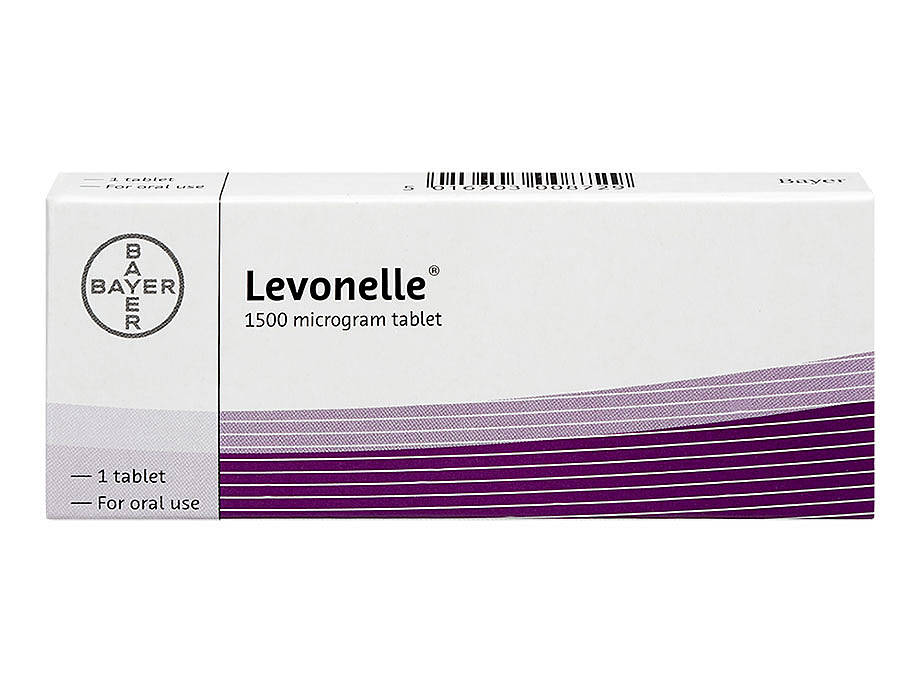
The morning after pill is the most common form of emergency contraception. There are 2 types available, those containing ulipristal acetate (ellaOne) and those containing levonorgestrel (brand name Levonelle).
The morning after pill is a single pill, taken in 1 dose, containing a synthetic version of the hormone progesterone.
How emergency contraception works
The morning after pill stops or slows down the release of an egg (ovulation). This is why the pill only works if you have not ovulated. An IUD can be used as emergency contraception if you’ve already ovulated.
How effective is emergency contraception?
Levonelle
Levonelle (levonorgestrel) is up to 99% effective if you take it as soon as possible (within 12 to 24 hours of unprotected sex).
It prevents 84% of pregnancies when taken within 72 hours (3 days) after having unprotected sex.
ellaOne
ellaOne is 98% effective for 5 full days after unprotected sex.
➤ The sooner you take the morning after pill, the more effective it will be.
How to use emergency contraception
The morning after pill is a single pill, and you only need 1 dose. Swallow the pill whole, with water.
Morning after pills have to be taken as soon as possible after unprotected sex for them to work. For ones containing ulipristal acetate, they must be taken within 5 days, and for ones containing levonorgestrel, it’s 3 days.
Who can use emergency contraception?
Most people can use the emergency contraceptive pill, even if they cannot use hormonal contraception like the combined pill.
It may not be suitable if you:
- take steroid medication for asthma
- are overweight
- take treatment for TB, griseofulvin (antifungal medication), or St John's wort (a herbal remedy)
- have a history of liver problems
- have ever had an ectopic pregnancy
- have a disease that affects your small bowel, such as Crohn’s disease
- have a condition called salpingitis, where your fallopian tubes are inflamed
Where to get emergency contraception
You can get the morning after pill through your GP, sexual-health clinic, or pharmacist, or our online doctor service. At ZAVA, we offer:
- Levonelle or generic Levonelle (levonorgestrel)
- ellaOne (alipristal acetate)
Side effects and risks
Common side effects of ellaOne include:
- feeling and being sick (nausea and vomiting)
- stomach pain
- painful periods
- pelvic pain
- tender breasts
- headaches
- dizziness
- mood swings
- muscle or back pain
- tiredness
Common side effects of Levonelle include:
- feeling sick (nausea)
- irregular bleeding until your next period
- tiredness
- headache
- lower stomach pain
If you vomit within 3 hours of taking ellaOne or Levonelle, you will need to take another dose as soon as possible, or it’s not likely to be effective.


The copper coil (IUD)

What is the copper coil?
The intrauterine device (IUD) is a small T-shaped device that is inserted by a doctor or nurse. It releases copper into the womb and is also known as the copper coil. This is a long-lasting form of contraception, and only needs to be changed every 5 to 10 years.
While the copper coil can be used as a regular form of contraception, it’s also commonly used as an emergency contraceptive. It contains copper, so it is a non-hormonal contraceptive.
How the copper coil works
The copper in the IUD protects against pregnancy by:
- making it difficult for sperm to survive and enter the womb
- preventing eggs from surviving and entering the womb through the fallopian tubes
How effective is the copper coil?
The effectiveness rate for the IUD is above 99%, and in typical use, the effectiveness stays the same. Since it’s fitted by a healthcare professional and stays in place, there’s a lot less chance of user error affecting your contraceptive protection.
How to use the copper coil
IUDs can be used as a form of emergency contraception if the device is inserted within 5 days after unprotected sex. Unlike morning after pills, the IUD can be used as long-term contraception after it’s fitted.
IUDs are fitted by a healthcare professional. It takes around 5 to 30 minutes and can stay in place between 5 and 10 years. At the appointment, a nurse or doctor will:
- Insert a speculum into your vagina using lubricant. This opens up the vagina so they can access your womb.
- Insert the IUD into your womb.
- Once fitted, your IUD should stay in place until the removal date.
It can be painful to get an IUD fitted, but this should last no longer than a few days and should not cause any pain or discomfort afterwards. You can take over-the-counter painkillers before your appointment and in the following days to help.
Just like an IUS, the IUD is connected to 2 thin, soft threads that hang down into the top of your vagina. You can check it's in the right place by finding these strings. In the first few weeks, check that your IUD is still in place regularly, then a few times every month, especially after a period.
Who can use the copper coil?
An IUD does not contain hormones, so it may be more suitable for people who cannot take hormonal contraception, or do not want to.
The IUD may not be suitable if you:
- think you are pregnant (you will be asked to take a pregnancy test beforehand)
- have an STI or pelvic infection
- have conditions affecting your womb or cervix, such as fibroids or cancer
- have unexplained vaginal bleeding
- pelvic infection (usually within 3 weeks of having it fitted)
- the IUD moving or falling out (more commonly in the first 3 months)
- damage to your womb
- rarely, an ectopic pregnancy can happen if the IUD fails to prevent pregnancy
Where to get the copper coil
An IUD can only be fitted by a healthcare professional. It’s available on the NHS for free through some GP surgeries, sexual health clinics, and certain young people’s services. You may be able to get it fitted in a private clinic too.
Side effects and risks
An IUD can cause some side effects, usually affecting your periods, such as:
- period-like pain (for a few days after it’s fitted)
- heavier, longer, or more painful periods than before – this may settle after a few months, as your body gets used to it
- bleeding between periods
- a small chance of recurrent thrush
There are a few risks with getting an IUD fitted, such as:
- pelvic infection (usually within 3 weeks of having it fitted)
- the IUD moving or falling out (more commonly in the first 3 months)
- damage to your womb
- rarely, an ectopic pregnancy can happen if the IUD fails to prevent pregnancy
Permanent methods of contraception
Sterilisation is usually an operation performed by a doctor which permanently protects against pregnancy. It’s available to both men and women. In rare cases, blocked tubes grow back and reconnect, or tubes are not effectively blocked, which can result in unwanted pregnancies.
Tubal ligation (female sterilisation)

What is tubal ligation?
In tubal ligation, the fallopian tubes are clipped or tied so eggs cannot move into the womb. This is sometimes referred to as ‘getting your tubes tied’ and is permanent unless successfully reversed on purpose.
There is also the option for non-surgical sterilisation. This is when an implant is placed in each fallopian tube to create scars that eventually block each tube. The scars may take up to 3 months to completely block the tubes, so you need to use another method of contraception in the meantime.
How tubal ligation works
Because the tubes are clipped, eggs cannot move, so there are no eggs for sperm to fertilise and pregnancy cannot occur.
How effective is tubal ligation?
Female sterilisation is over 99% effective and is one of the most effective contraceptive methods, though it's permanent, so you must think carefully about your future before deciding.
Very rarely, the operation does not work properly, so an egg may get through and become fertilised.
How to get tubal ligation
You can speak to your GP about being sterilised. If you both think it’s the best choice, they can refer you to a hospital.
The procedure involves going to the hospital and being put to sleep using a general anaesthetic. The surgery is usually done via keyhole surgery and takes about 20 to 30 minutes. The surgeon will either block your fallopian tubes to prevent eggs from travelling to your womb, or remove part of the tube and seal it. You can usually go home on the same day.
Who can get tubal ligation?
Sterilisation is free on the NHS in some cases, or you’ll need to pay to have it done privately.
Female sterilisation may be suitable if you:
- already have children and are sure you do not want any more
- are sure you do not want to have children now or in the future
Some people choose to have it done at the same time as a cesarean section (C-section), but this needs to be agreed upon beforehand.
Where to get it
You will need to be referred to a gynaecologist to get sterilised. This will be carried out in a hospital or surgical facility.
Side effects and risks
As female sterilisation is a surgical procedure, it comes with some risks, such as:
- blood clots (the surgeon will provide information on how to reduce this risk, such as wearing surgical stockings afterwards)
- infection at the surgical site, or UTI
- damage to an organ, nerve, or artery during the procedure – this is a small risk
- ectopic pregnancy – in the rare case that the procedure does not work, there is a higher chance of ectopic pregnancy if you get pregnant
Vasectomy (male sterilisation)

What is a vasectomy?
In men, the procedure for sterilisation is called a vasectomy. During this procedure, the tubes that carry sperm are cut or sealed.
How vasectomies works
Because the tubes that carry sperm are cut or sealed, this stops sperm from being released during sex and reaching an egg. With no sperm, no egg can be fertilised and pregnancy cannot happen.
How effective is a vasectomy?
Like female sterilisation, vasectomies are over 99% effective, making it one of the most effective contraceptive methods, and can be permanent.
How to get a vasectomy
You can speak to your GP about getting a vasectomy. If you both think it’s the best choice, they can refer you to a specialist.
The procedure usually takes 15 to 20 minutes, and you can go home on the same day. You’re usually not put to sleep during a vasectomy. Instead, the doctor or nurse will apply a local anaesthetic to numb the area. To perform the procedure, they will:
- make a small cut in the skin around your testicles
- either block, seal, or cut the tubes that carry sperm
- seal the cut, usually by using dissolvable stitches
Who can get a vasectomy?
Sterilisation is free on the NHS in some cases, or you’ll need to pay to have it done privately.
Male sterilisation may be suitable if you:
- already have children and are sure you do not want any more
- are sure you do not want to have children now or in the future
Although vasectomies can be reversed, this is not guaranteed. It’s generally considered a permanent form of contraception and should only be considered when you’re sure you don’t want to have children in the future.
Where to get a vasectomy
You can get a vasectomy at some GP surgeries, sexual health clinics, or at the hospital.
Side effects and risks
Some side effects can happen after a vasectomy, such as:
- swelling and bruising of the testicles for a short while after the procedure
- small yellow lumps (or a single lump) on the scrotum – these are called sperm granulomas and are not usually a cause for concern, though they can cause pain
- infection
- post-vasectomy pain syndrome (PVPS) – uncommonly, a vasectomy can cause long-term testicular pain, which can be treated with medication or surgery
Natural contraception methods
When people talk about ‘natural’ contraception, they tend to mean methods that do not involve medications or devices. Natural methods of contraception are usually difficult to use effectively and often do not protect successfully against unwanted pregnancy when used by themselves.
Natural family planning

What is natural contraception?
Natural family planning is when a person monitors their period cycles and avoids having sex when they think they are fertile, which is called the fertility awareness (or calendar) method.
If you’ve just had a baby, there is also a form of natural family planning called the lactational amenorrhoea method, meaning you breastfeed your baby for up to 6 months to delay ovulation.
How natural contraception works
Fertility awareness method
Because you track your fertility, you choose to have sex only when you think you’re not fertile. In theory, this means that you never have sex when there is a risk of a sperm encountering and fertilising an egg. In practice, period cycles can be unpredictable and hard to track effectively.
Lactational amenorrhea method
This can prevent ovulation for the first 6 months after birth, as regular breastfeeding can disrupt your usual hormonal patterns, sending a signal to your ovaries to stop making eggs. This prevents pregnancy from happening, as there are no eggs to fertilise.
How effective is natural contraception?
Fertility awareness method
In perfect use, it's estimated this method is 91 to 99% effective.
However, in typical use, it’s closer to 76% effective, making it one of the least successful methods of contraception in this guide. Out of every 100 women following this method, 24 will get pregnant within a year.
Lactational amenorrhea method
If you’re breastfeeding and follow the lactational amenorrhea method perfectly, it’s over 99% effective.
Even in typical use, it’s still 98% effective, however, effectiveness may be reduced if you:
- have a period
- give your baby formula milk or food
- express breastmilk, though there’s little research into this
How to practice natural contraception
Fertility awareness method
The idea behind this method is that you track the 3 main changes to your body, which indicate when you are fertile during your menstrual cycle:
- your temperature
- fluids from your cervix (the lowest part of the womb)
- the length of your menstrual cycle
There are several ways you can track your fertility, and some companies offer devices and apps that may help.
Lactational amenorrhea method
This method, though effective, leaves little room for error and may be difficult to follow. When followed perfectly, it involves regular breastfeeding, which means:
- at least every 4 hours during the day
- at least every 6 hours during the night
This only works for the first 6 months after birth and only if you start as soon as you have your baby.
Who can practice natural contraception?
Fertility awareness method
Anyone can try and track their fertility levels, though it may not be suitable if you:
- have irregular periods, as knowing when you’re fertile can be very difficult
- have a health condition and have been told by a doctor to avoid pregnancy because of it
- take medication that can affect a developing baby, including some that treat bipolar disorder or epilepsy
Lactational amenorrhea method
You only use this method if you’ve just had a baby, and you must start it straight away for it to work. If you cannot breastfeed or do not want to, this method will be unsuitable.
Where to get advice
While you do not need anything in particular to follow these methods, you can get further help and advice on family planning from your GP, midwife, a sexual health clinic, some young people’s services, or a private clinic.
Side effects and risks
Because these methods are natural, there are few side effects and risks associated with them. However, the risk of pregnancy is generally higher with natural family planning, which is something to consider if you cannot get pregnant because of a medical condition or take medications that could affect an unborn baby.
The withdrawal method (pulling out)

What is the withdrawal method?
Another method of ‘natural’ contraception is the withdrawal (pull-out) method. Pulling out involves ending penetrative sex before ejaculation to try and avoid sperm entering the vagina and the womb. In reality, sperm can enter the vagina from the penis before ejaculation through pre-ejaculate (precum).
How the withdrawal method works
In theory, it works by ending vaginal sex before ejaculation so no sperm are released and enter the womb to fertilise an egg. But, because sperm can be released before ejaculation, it’s not the most reliable method.
How effective is the withdrawal method?
In perfect use, the withdrawal method is estimated to be around 96% effective.
However, in typical use, such as not pulling out in time, or accounting for sperm that may enter the womb from pre-ejaculate, this method is closer to 78% effective.
How to use it
To use this method, you must make sure that you or your partner pulls out of the vagina before ejaculating. Due to the difficulty in timing orgasms and the fact that sperm can leave the penis before ejaculation, this method is particularly risky. The perfect use effectiveness is not likely to apply to most people.
Who can use the withdrawal method?
Anyone can try this method, though it may take some practice. The NHS does not recommend this method of contraception, and it may be better to use it alongside another method of contraception.
Where to get advice
You may be able to get advice on the withdrawal method from a GP, sexual health clinic, or young people’s services. They may also discuss other, more reliable methods of contraception with you.
Side effects and risks
There are no side effects of this method, though it's important to note that it cannot prevent STIs on its own. The main risk of pulling out is the chance of pregnancy, as this method is not as reliable as others.
What if I don't use any types of contraception?
If contraception is not used, approximately 85% of people who are sexually active and able to get pregnant will become pregnant within a year. Also, if you do not use barrier methods like condoms and have new sexual partners, you have a much higher chance of getting an STI.
What is the most effective type of contraception?
The most effective type of contraception is the contraceptive implant, though most contraceptive methods are over 99% effective in perfect use. Contraceptive effectiveness is measured in 2 ways, as seen throughout this guide.
- Perfect use: Using the contraceptive method perfectly, all of the time.
- Typical use: This takes into account things like human error or other factors that could make a contraceptive less effective, for example, being sick while taking the contraceptive pill or the contraceptive patch falling off.
Some contraceptive methods are more reliable than others due to the reduced chance of human error and minimal need for intervention. For example, the coil stays in place once fitted, does not need to be remembered every day, and is not affected by illness.
The best methods of contraception for preventing pregnancy, listed from most to least effective, are:
| Perfect use | Typical use | |
|---|---|---|
| Contraceptive implant (reversible, long-term) | 99.95% |
99.95% |
| Vasectomy, or male sterlisation (usually permanent, long-term, not always reversible) | 99.9% |
99.85 |
| IUS, or 'hormonal coil (reversible, long-term) | 99.8% |
99.8% |
| Tubal ligation, or female sterilisation (usually permanent, long-term, not always reversible) | 99.5% |
99.5% |
| IUD, or 'copper coil' (reversible, long-term) | 99.4% |
99.2% |
| Lactational amernorrhoea (natural, after birth) | 99.5% |
98% |
| Contraceptive injection (short-term, not permanent) | 99.8% |
94% |
| Combined and progesterone-only pill (short-term, not permanent) | 99.7% |
91% |
| Combined patch (short-term, not permanent) | 99.7% |
91% |
Source: NICE Clinical Knowledge Summaries (CKS)
Which method of contraception is best for me?
Which contraception method is best for you can depend on many things. Here we discuss which methods may be best depending on a range of factors.
Effectiveness
If you want the best protection from pregnancy, the most effective methods include the implant, male or female sterilisation (though this is permanent), the IUS, and the IUD. The pill and patch are also very effective if taken perfectly.
How often you use it
How often you have to use, take, or change a contraceptive can be a deciding factor. If you’d prefer a contraceptive method that can be fitted without you needing to remember to do anything, the coil, implant, or injection could be a good fit.
However, if you do not want an uncomfortable procedure, these methods may not work for you. Sterilisation is another long-term contraceptive method that can prevent pregnancy for the rest of your life, but it needs to be considered carefully before making a decision.
Here is how often each method needs to be used or changed:
| Type of contraceptive | How often do I need to change it? |
|---|---|
Diaphragms, caps, and condoms |
Whenever you have sex |
Combined and mini pill |
Every day |
Patch |
Once a week |
Vaginal ring |
3 weekly |
Injection |
8 to 13 weeks |
Implant |
3 years |
IUS |
3 to 6 years |
IUD |
5 to 10 years |
Male and female sterilisation |
Permanent |
How it’s used
Some people may prefer using a contraceptive method that they can take or change themselves, such as the pill, patch, some types of injections, a vaginal ring, and barrier methods, rather than having to make appointments or visit a clinic.
Alternatively, some people prefer a contraceptive method that can be given by a doctor or nurse, like most injections, the implant, IUS, or IUD.
Side effects and risks
Some contraceptive methods come with a higher chance of side effects and risks, usually those containing hormones. However, the risk of serious side effects is very low, and your doctor will not prescribe a contraceptive that is not suitable based on your medical history. If you get side effects from hormonal contraception like the pill, you can stop it very easily.
STI prevention
STI protection is not 100% guaranteed, though condoms provide the best protection. These may also be used alongside another contraceptive method.
How it affects your periods
This is a very important deciding factor, especially if you would rather skip your periods or bleed less. Typically, the best contraceptives for helping with heavy or painful periods include the:
- IUS
- combined pill
- mini pill (only for heavy periods)
- implant
- injection
Some contraceptives, like the pill, can stop your period altogether. For example, the combined pill can be taken back-to-back to prevent periods for an event or occasion, or taken continuously to stop periods while taking it. On the other hand, some contraceptives, like the IUD, can cause heavier, painful periods, though this should get better within a few months.
Popular contraceptive pills from our patients
Frequently asked questions
Which is the safest contraceptive method?
Many contraceptives can be over 99% effective when used perfectly. The ones that work the most effectively, even when looking at typical use are:
- the contraceptive implant
- male sterilisation
- female sterilisation
- the IUS
- the IUD
If you’re looking for a contraceptive with the least side effects, but that is still reliable, non-hormonal contraceptives like the IUD, diaphragms, cervical caps and male and female condoms may be good choices.
Where can I buy contraceptives?
You can buy contraceptives in most pharmacies or online from online doctor services like ZAVA. Requesting contraceptive pill treatment from ZAVA is easy, simply:
- Complete a short online questionnaire about your health
- Log in or create an account and place your request
- One of our doctors will check your request to make sure it’s right for you
- If your request is approved, your treatment will be posted to your preferred address
Can you get an STI with a condom?
You can still get STIs when using condoms, because they don’t provide perfect protection, although they still drastically reduce your chance of getting STIs. Some things that can make condoms less effective at preventing STIs.
- you only use them for penetrative sex, since STIs can be spread by oral sex or other forms of sexual contact
- you don’t use your condom properly, it slips off or it breaks
- you reuse condoms instead of using fresh ones, even during the same session of sex
To get the most out of your condoms, make sure you get good quality condoms, use the right size for you and make sure you know how to use them effectively.
➤ See our STI testing service for fast reliable test kits online.
What is the most common side effect of hormonal contraception?
Breakthrough bleeding is the most common side effect of using hormonal contraception. This is when you bleed between the times you would normally expect to bleed during your period cycle.
What are the most common contraceptives in the UK?
The most common form of contraception used in the UK is the contraceptive pill, closely followed by condoms.

Dr Babak Ashrafi Clinical Lead for Service Expansion
Accreditations: BSc, MBBS, MRCGP (2008)
Babak studied medicine at King’s College London and graduated in 2003, having also gained a bachelor’s degree in Physiology during his time there. He completed his general practice (GP) training in East London, where he worked for a number of years as a partner at a large inner-city GP practice. He completed the Royal College of GPs membership exam in 2007.
Meet our doctorsLast reviewed: 30 Jun 2025
-
Combined pill, NHS [accessed 7 June 2025]
-
Progestogen-only pill, NHS [accessed 7 June 2025]
-
IUD (intrauterine device) or copper coil, NHS [accessed 7 June 2025]
-
IUS (intrauterine system) or hormonal coil, NHS [accessed 7 June 2025]
-
Contraceptive implant, NHS [accessed 7 June 2025]
Contraceptive pills are a reliable way of reducing your risk of getting pregnant from sex. ZAVA offers most common brands of pill, so you can order your preferred brand by visiting our contraceptive pill service page.





 Secure payment


