What is the best contraceptive pill for me?

Medically reviewed by
Dr Brenda IkejiLast reviewed: 14 Jun 2025
Deciding which contraceptive pill is right for you can be a complex and sometimes overwhelming decision. With the different options available, it can be hard to know which one will be best. The decision is not just about effectiveness, but also about how your body reacts to certain hormones, your lifestyle, and overall health needs.
For many people, choosing a pill means weighing up many considerations, such as your preference for a combined or progesterone-only pill, or looking at potential side effects. In this guide, we’ll compare contraceptive pills so you can go forth with confidence and choose the right pill for you.
Let's find the best contraceptive pill for you
If you’re here, then you probably have some idea that not all pills are a good fit for everyone. You could pick at random, using trial and error to find the right one for you, but that can be frustrating and time-consuming. Instead, doing a bit of research can narrow down your options and give you the best chance of choosing a pill that is most suited for you and your lifestyle.
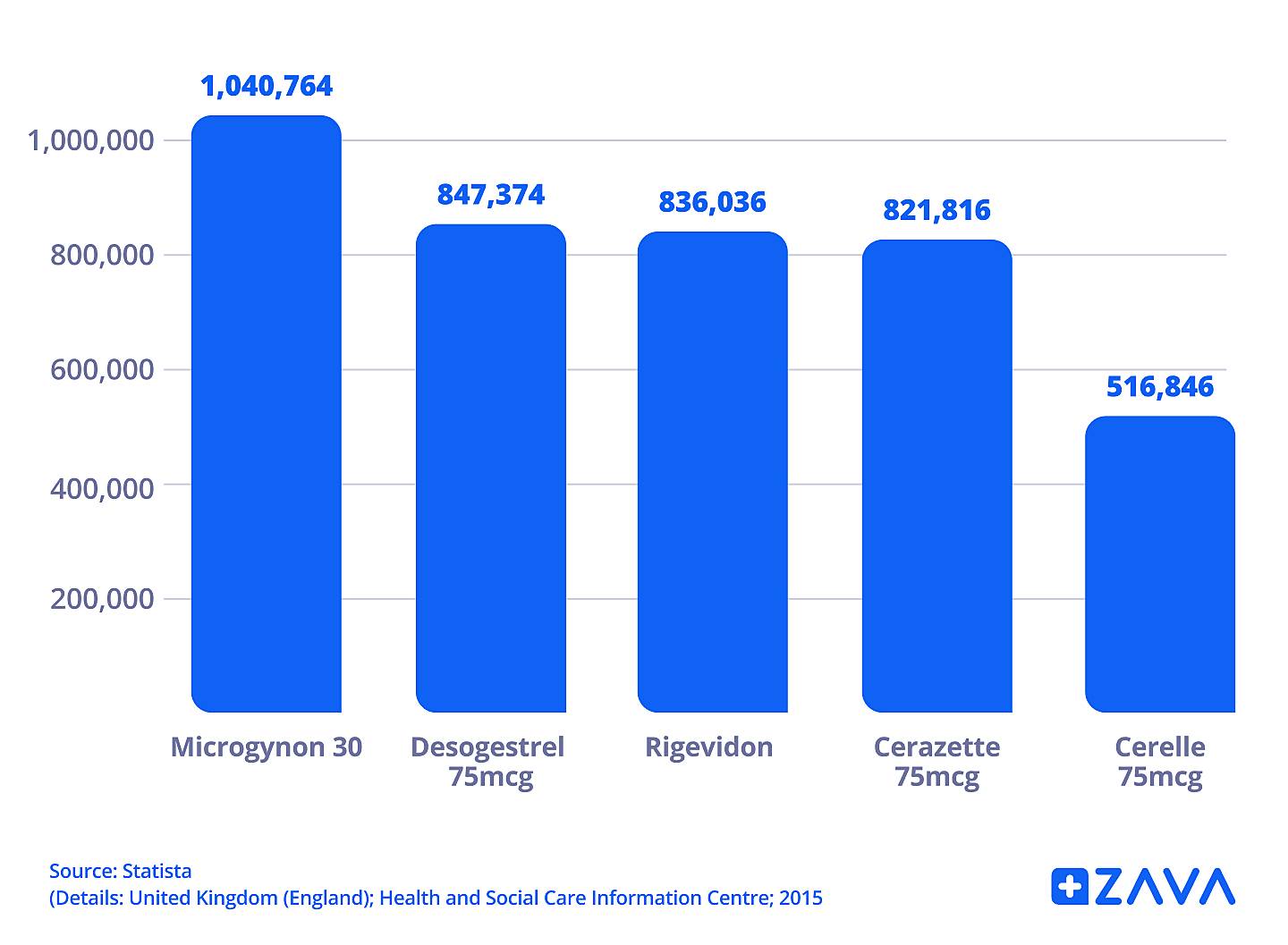
To start, it may help to see what other people in the UK have chosen in the past. Here’s a graph showing which contraceptive pills were bought most often in the UK in 2015.
So what should you consider when making your choice? Well, there are a few different factors that can make a contraceptive pill more or less suitable. So, when choosing a pill, keep in mind:
- whether they are safe for someone with your medical history (see the rest of this section for details)
- how good you are at remembering to take pills every day at the same time (see our section on ‘mini pill vs combined pill’ for details)
- whether or not you want to take your pill continuously (see our section on ‘mini pill vs combined pill’ for details)
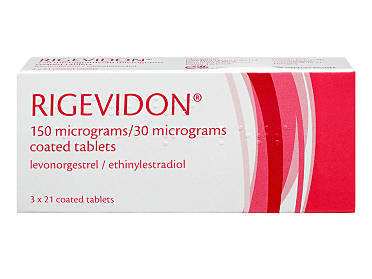
Popular contraceptive pills from our patients


Oestrogen restrictions
Based on your current and previous medical history, some pills may not be safe for you to take. For example, pills containing oestrogen, also known as combined pills, may not be right for you if you:
- are over 35 and a smoker
- have high blood pressure
- have a history of blood clots
- have migraines with an aura
- have a history of heart problems
- are overweight
- are breastfeeding
If any of the above apply to you, then your best choice might be one of the mini pills that are available. These contain only progesterone, so they do not have oestrogen and the health risks listed above do not apply.
Extra benefits of oestrogen
On the other hand, if you do not have any of the pre-existing conditions listed above, but you do have:
- premenstrual syndrome (PMS)
- polycystic ovary syndrome (PCOS)
- acne
- heavy periods
- endometriosis
Then, you might find a combined pill is a better choice because in these cases, the oestrogen can actually improve your symptoms.
The pill after giving birth
If you’re currently breastfeeding and it’s been less than 6 weeks since you gave birth, combined pills may not be a suitable option, but mini pills are. This is because the oestrogen in the combined pill can come through in breast milk and affect your baby. Small amounts of progesterone do come through breast milk on the mini pill, but this will not affect your baby’s development.
Remember that a doctor, nurse or online doctor service like ZAVA can help you pick the best pill for you. They will ask about your health and lifestyle to suggest a pill they believe will be a good fit.
How does the contraceptive pill work?
Combined pills and mini pills work slightly differently, but they both include man-made hormones that make it much less likely you’ll have an unwanted pregnancy. This is done by making changes to your body which make it harder for sperm to reach an egg or harder for a fertilised egg to grow.
Combined pills work by:
- stopping ovaries from releasing eggs
- thickening the mucus at the neck of the womb
- thinning the lining of the womb
Mini pills work by:
- stopping ovaries from releasing eggs, but not always
- thickening mucus at the neck of the womb
- thinning the lining of the womb
- slowing down eggs travelling to the womb
How does the contraceptive pill work?
Combined pills and mini pills work slightly differently, but they both include synthetic hormones that will minimise the risk of an unwanted pregnancy. They work by making changes to your body, which make it harder for sperm to reach an egg or harder for a fertilised egg to grow. Combined and mini pills work in very slightly different ways to do this.
Combined pills work by:
- stopping ovaries from releasing eggs
- thickening the mucus at the neck of the womb
- thinning the lining of the womb
Mini pills work by:
- stopping ovaries from releasing eggs, but not always
- thickening mucus at the neck of the womb
- thinning the lining of the womb
- slowing down eggs travelling to the womb
Mini pill vs combined pill
Since both the mini and combined pills are effective, it can be tricky to know which ones to go for. The table shows how they compare to one another.
| Mini pill | Combined pill | |
|---|---|---|
| Hormones? | Progesterone |
Oestrogen and progesterone |
| Chance of side effects? | Higher for progesterone-only ones |
Higher for oestrogen-related ones |
| Taken continuously? | Yes |
Can be |
| Extra restrictions? | No |
Yes, for people with certain health conditions |
| Extra added benefits? | No |
Yes, for acne and period-related problems |
| Available over the counter? | Only Hana and Lovima |
No |
| Ok while breastfeeding? | Yes, straight from birth |
Yes, but not for 6 weeks after giving birth |
Is the mini pill for you?
There are a few reasons why you might pick the mini pill over the combined pill, including if you:
- have a health condition that makes the combined pill unsafe for you
- want to avoid oestrogen-related side effects
- want to get your pill over the counter
- are currently breastfeeding, and it’s been less than 6 weeks since you gave birth
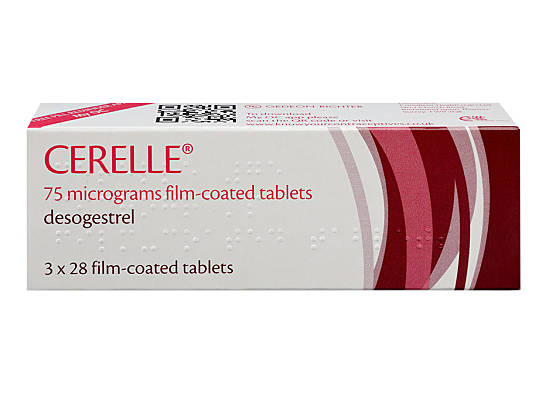
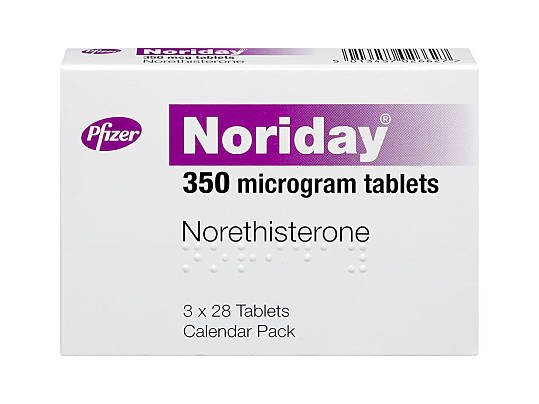
If you’re taking one of the mini pills Cerazette, Cerelle, Hana, Zelleta or Desomono, then you only have a 12-hour window for taking your pill every day for it to be effective. Other mini pills, such as Norgeston or Noriday, need to be taken within a 3-hour window to work effectively.
If you want to be able to have a longer window to take your pill each day, you should think of starting a combined pill. If combined pills are not right for you because of your medical history, then we suggest something like Cerazette or Cerelle instead, as these have at least a 12-hour window. See our page on forgetting the pill for more information.
Mini pills are meant to be taken continuously. They are prescribed for non-stop use, and this is how they are suggested to be used by their manufacturers.
Is the combined contraceptive pill for you?
The reasons you might choose the combined pill over the mini pill include:
- its extra benefits to acne and period-related health conditions
- the bigger window of opportunity for taking your pill, in case you’re prone to forgetting
- you want to avoid progesterone-only side effects
Combined pills can keep working even if you’re up to 24 hours late taking a pill every now and then. Although they will stop working if you miss too many in a row.
Combined pills are usually taken for 3 weeks straight, and then you take a week off and have a breakthrough bleed, a bit like a normal period. Some combined pills even come with a week of medication-free pills for you to take so you can keep track more easily.

“You can also take combined pills continuously, but this is usually considered ‘off licence’. However, evidence shows that it’s just as safe to take combined pills without stopping. Not only is taking the combined pill continuously as safe and effective as taking it with the 7-day break, but there is a significant improvement in menstrual bleeding. Research shows an average of 10.7 fewer bleeding days in the first 3 months when taking the combined pill continuously.” – Dr Babak Ashrafi, Clinical Lead for Service Expansion at ZAVA.
What is the best contraceptive pill with the least side effects?
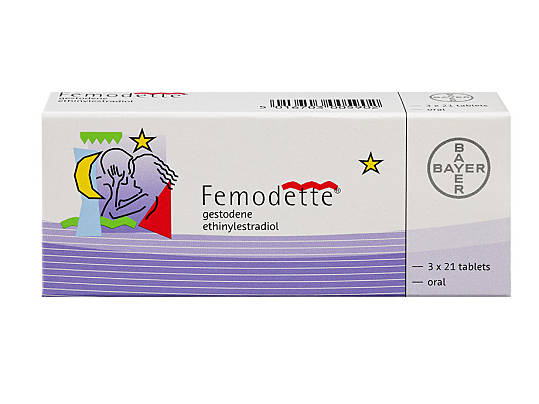
While all pills have a risk of side effects, some are made to have fewer side effects while still providing extra benefits. For example, low-dose oestrogen combined pills have reduced oestrogen-related side effects but can still give you the benefits of a combined pill, like acne and period improvements. This includes the combined pills Mercilon, Femodette, and Millinette.
Different pills come with different possible side effects and affect people differently based on the hormones they contain. For women with a sensitivity to oestrogen, the mini pill may be a better choice due to side effects, unless you go with a low-dose combined pill.
Some common side effects of contraceptive pills include:
- nausea (feeling sick)
- breast tenderness
- headaches
- irregular periods, spotting, or bleeding between periods
- change in libido
Most side effects will usually ease within the first 3 months of taking the pill. We also have a detailed guide on contraceptive pill side effects, so you know more about what to expect before taking the pill. If you’re worried about side effects before starting the pill, talk to a doctor.
What’s the best contraceptive pill for libido?
How contraceptive pills affect your libido will vary for everyone. For some people, a side effect of the mini pill can be a change in libido and this can be either an increase or a decrease. There is no evidence that the combined pill will have a significant effect on your libido.
Some people may experience an increased libido when taking the pill as the fear of pregnancy is removed from sex, and this reduced worry may psychologically increase libido.
What’s the best contraceptive pill for migraines?
Whether contraceptive pills will help your migraines varies from person to person. If your migraines are caused by a fluctuation of oestrogen levels during your menstrual cycle, then you may find taking the combined pill can help lessen the frequency of your migraines as it stabilises your oestrogen levels.
The progesterone-only pill can sometimes help with migraine symptoms. However, headaches are a frequent side effect of these pills, and it may make migraines worse, especially when there is a drop in oestrogen levels before your period.
If you get migraines with aura, there is a very small increased risk of stroke if you are taking the combined pill, so you should speak with your doctor before taking it.
What’s the best contraceptive pill to stop periods?
Both the combined and the mini pill can help to stop or significantly reduce your period, but this does not always happen for everyone, and it is not a guaranteed outcome.
Progesterone-only pills can thin your uterine lining so that there is little tissue or blood to lose, leading to lighter or no periods. Combined contraceptive pills primarily work by stopping your ovulation, and you can take them continuously to skip the hormone-free break each month, where you’d usually have a withdrawal bleed.
As long as you continue to take your pill, you will have a constant level of oestrogen and/or progesterone in your system. This will stop the usual changes of hormones in your menstrual cycle, so the lining of your uterus will stay thin and there is nothing to trigger the bleeding. This can sometimes stop your period completely or lead to much lighter periods.
What’s the best contraceptive pill for painful periods?
The combined contraceptive pill can often help reduce painful periods, which are usually caused by chemicals called prostaglandins in the uterus. These chemicals cause the uterus to contract and squeeze, but if your body produces too many prostaglandins, then the normal contractions can become painful and intense. The combined pill can help to reduce prostaglandin levels, leading to lighter and less painful periods.
What is the best contraceptive pill for anxiety and depression?
All combined pills are less likely to affect depression and anxiety because of the oestrogen they contain. Avoid mini pills if you can.
Both the oestrogen and progesterone combination in combined pills and the progesterone alone in mini pills can cause side effects related to depression and anxiety.
So, for those who are prone to mental health issues, to completely avoid any risk of mood swings, depression, or anxiety as a side effect, you would have to choose a non-hormonal contraceptive method.
But, if you want to use a contraceptive pill and want to know what will give you the lowest chance of causing depression and anxiety or making them worse, then the best choice is probably a combined pill, such as:


No results found.
Please check your spelling or try another treatment name.
Pills that can make your mood worse are:
- Cerelle
- Zelleta
- Hana
- Noriday
“Research shows that the oestrogen in the combined pill might offset some of the mental health side effects caused by progesterone. So, progesterone-only contraceptives like the mini pill are more likely to make depression or anxiety worse.” – Dr Babak Ashrafi, Clinical Lead for Service Expansion at ZAVA.
What is the best pill for mood swings?
Like with depression and anxiety, all combined pills are less likely to cause mood swings because of the oestrogen they contain. Similarly, to avoid mood swings, you should not take progesterone-only pills (mini pills).
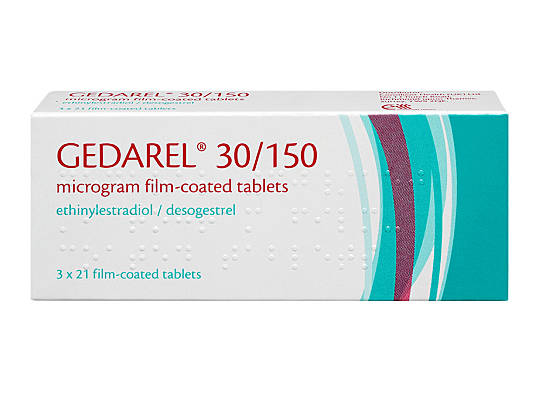
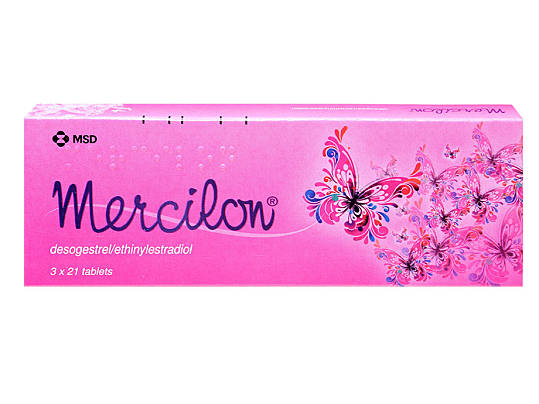
Research shows that combined pills with anti-androgenic progesterones (drospirenone or desogestrel) can help make mood swing side effects less intense, such as:

No results found.
Please check your spelling or try another treatment name.
What is the best contraceptive pill for acne in the UK?
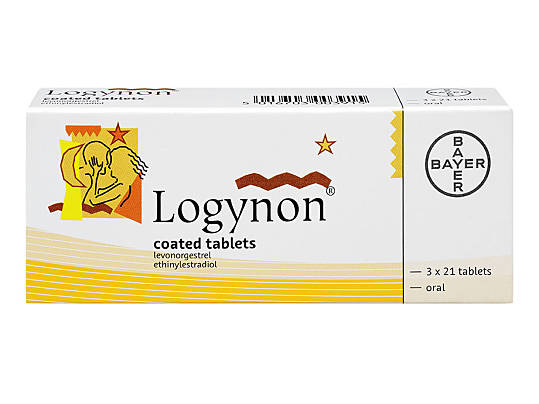
The best pills for acne are combined pills. Progesterone-only mini pills can make acne worse. Combined pills can improve acne because of the oestrogen they contain, so high-oestrogen pills may give the biggest improvement:

No results found.
Please check your spelling or try another treatment name.
Like with mood swings, acne is more likely when taking progesterone alone. This means that it’s best to avoid mini pills if you have acne or you’re worried about getting it. In fact, not only is acne less likely as a side effect of the combined pill, but it can actually be improved by taking it.
➤ See our page on the contraceptive pill and acne for more information.
What is the best contraceptive pill for weight loss?
There’s been lots of research into the contraceptive pill and weight loss, but no evidence suggests that the pill can cause you to gain or lose weight. However, if this is a concern for you, it might be best to choose a mini pill, because oestrogen may cause an increase in appetite, as well as fluid retention. This is most likely when you first start taking it, and should settle after 3 months or so.
Some contraceptive pills cause temporary mild weight gain as a side effect, but this will only last while you’re using them. This is because the hormones in the pill can cause you to retain water and make you feel bloated, though this is not the same as weight gain and is instead caused by your body holding onto water. Pills like Yasmin contain a diuretic (a medication that causes you to pee) called drospirenone, which can help counteract any weight gain from water retention.
➤ See our page on the contraceptive pill and weight gain for more information.
What is the best contraceptive pill for over 40s?
The mini pill is the best pill for women over 40. This is usually because of the lower risk of serious side effects like blood clots. However, all combined and mini pills can be safe for people over 40, as long as you do not have pre-existing conditions that make them unsafe (see our section ‘let's find the best contraceptive pill for you’ for details).
The combined pill is not suitable for people over 50, and the mini pill is not right for anyone over 55.
Combined pills also come with some extra benefits during perimenopause. See the section below on ‘the best contraceptive pill during perimenopause’ for details.
What is the best contraceptive pill during perimenopause?
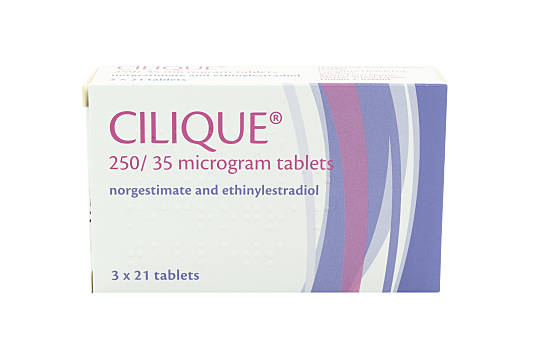
The best pills for perimenopause can be high-oestrogen combined pills, because they have some added benefits for women over 40, especially related to perimenopause:


No results found.
Please check your spelling or try another treatment name.
The combined pill can also help with the onset of menopausal symptoms:
Osteoporosis
The oestrogen in combined pills can help improve bone density as oestrogen plays a crucial role in bone health. Oestrogen helps to balance bone resorption (breakdown) and bone formation, which helps to preserve bone strength and reduce the risk of osteoporosis. Oestrogen naturally drops during menopause, so by replacing these levels, you can reduce your risk of osteoporosis.
Hot flushes
The combined pill can also reduce hot flushes that can be caused by perimenopause. As the level of oestrogen falls, the hypothalamus (the part of the body that regulates temperature) becomes more sensitive to changes, so taking a pill that contains oestrogen can help to regulate the hypothalamus and reduce hot flushes.
Be aware, combined pills come with a slightly increased risk of blood clots, and many older people already have an increased risk.
What is the best contraceptive pill if I have PMS or PMDD?
Premenstrual syndrome (PMS) or premenstrual dysphoric disorder (PMDD) are conditions that cause a number of unpleasant symptoms at certain times during the period cycle. Some contraceptive pills can improve these symptoms for some people.
Since it’s oestrogen that can help with the symptoms of PMS and PMDD, the best choice of pill may be a combined pill. Combined pills with more oestrogen can have a stronger positive effect on PMS and PMDD symptoms, but they also come with a higher risk of oestrogen-related side effects.

No results found.
Please check your spelling or try another treatment name.
What is the best contraceptive pill for PCOS?
The combined pill containing both oestrogen and progesterone can help improve polycystic ovary syndrome (PCOS). The best kinds of combined pill for PCOS are ones with lower oestrogen doses and progesterones that are less likely to have an androgenic effect (increase in male hormones).
Pills with less androgenic progesterone are preferred for people with PCOS as they help reduce the production of androgens, which will help manage some of the symptoms of PCOS, such as acne and excess hair growth. They can also help to regulate periods and decrease the risk of pelvic inflammatory symptoms. They can also reduce the risk of developing ovarian or endometrial cancer.
Progesterones with less androgenic effect include those containing drospirenone or desogestrel, like:
No results found.
Please check your spelling or try another treatment name.
What is the best contraceptive pill for endometriosis?
There is some evidence showing that mini pills may be slightly better at improving endometriosis than combined pills. Unlike with PCOS, it seems like progesterone pills that are more androgenic (increase male hormones) work best for improving endometriosis, including the progesterones levonorgestrel and gestodene.
So the best choice of pills for endometriosis will be mini pills containing one of the progesterones listed above, like Norgeston. Or, if you want a combined pill, then choose one that includes levonorgestrel, gestodene, or desogestrel as an alternative.
Which is the best contraceptive pill for heavy periods?
All contraceptive pills can improve heavy periods. This is because they all contain progesterone, which thins the lining of the womb, making periods lighter.
Although you can take any pill to improve periods, the mini pill is usually the first choice, or you can use the combined pill taken continuously. Taking a continuous pill can help to regulate hormone levels and keep them steady, which can help prevent fluctuations that lead to the buildup and shedding of the uterine lining. Over time, consistent hormone levels can thin the uterine lining and reduce the amount of bleeding.

No results found.
Please check your spelling or try another treatment name.
Contraceptive pill side effects and risks
All pills can cause side effects, but they are mostly mild and go away after a while. Different pills have different oestrogens and progesterones, and different people react differently to them.
It’s impossible to know how you will react to different hormones, so the only way to find out is to try and see. If you do get side effects from one pill, a doctor or nurse can help you switch to a pill with different hormones to see if that helps.
If you want to avoid oestrogen-related side effects, like:
- breast tenderness
- nausea
- headaches
Choose a mini pill like:
- Cerazette
- Cerelle
- Hana
- Norgeston
- Noriday
Or a low-oestrogen combined pill, like:
- Eloine
- Femodette
- Gedarel 20
- Mercilon
- Millinette 20
- Sunya
Combined pills can have anywhere from 20 to 50 micrograms of oestrogen in but mini pills do not have any. Low or no oestrogen pills come with a lower risk of oestrogen-related side effects, but they also have less of the positive effects on acne or period-related health problems.
If you want to avoid progesterone-only side effects, like:
- mood swings
- acne
Choose any combined pill. Some side effects of progesterone are worse when progesterone is used by itself. This means that they are more likely in mini pills because the oestrogen in combined pills makes them less likely.
➤ For more information, see our page on contraceptive pill side effects.
So which contraceptive pill is best for me?
The best contraceptive pill will be one that:
- Is safe for you based on your medical history.
- Suits your lifestyle based on how strict your routine has to be and whether you want to take breaks.
- Matches up with what you expect in terms of extra benefits and side effects.
For example, if you want a pill that will improve acne, you’re worried about gaining weight, and you do not want a break in your cycle, then you could think about using Microgynon continuously. Microgynon has oestrogen, which can improve acne, but it does not have too much. Although mini pills are normally for continuous use, you can do this with Microgynon too.

from £14.00
No results found.
Please check your spelling or try another treatment name.
Another example would be if you’re over 35 and smoke, but you’re worried about forgetting your pill and you get heavy periods, Cerelle or Cerazette would be good choices. They are both suitable for women over 35 who smoke, and although they have a smaller window of opportunity than combined pills, it’s still larger than other mini pills at 12 hours. Plus, mini pills can help with heavy periods, especially when taken continuously.
No results found.
Please check your spelling or try another treatment name.
Frequently asked questions
Which contraceptive pill is best for skin?
In the same way that they improve acne, high-oestrogen combined pills can reduce your skin’s oiliness. This is because the oestrogen helps balance the androgenic effect of the progesterones that cause oily skin, which then also leads to acne. Contraceptive pills can also help with skin conditions such as:
- hirsutism (the excessive growth of dark, coarse hair)
- seborrhoea (an overproduction of sebum)
Where can I get the contraceptive pill?
You can buy contraceptive pills from a doctor, nurse, sexual health clinic, or an online doctor service like ZAVA. You can also get 2 mini pills over the counter in UK pharmacies: Hana and Lovima.
Ordering from ZAVA has a few advantages:
- you can save time going online
- you get your treatments delivered direct to you
- there’s no need for a face-to-face appointment
How long does birth control take to work?
It depends what pill you’re taking. Some can work right away if you take them at the right time in your cycle. Others can take up to 7 days to start working effectively, and during this time, you will need to use additional contraception like condoms.
Is the pill the best contraceptive method?
The pill can be one of the most effective types of contraception when taken properly and can prevent over 99% of unwanted pregnancies. But since people do not always take it properly (due to missing pills or vomiting), it’s only around 91% to 92% effective when you look at everyone who uses it.
The pill is one of the most convenient forms of contraception since it:
- is available over the counter in the UK under some brand names
- does not need to be implanted or removed like implants and coils
- does not require an injection like the contraceptive injection
- does not have to be used during sex, like condoms
Also, since it contains hormones, it can have extra benefits over non-hormonal contraceptives.

Brenda studied medicine at St Georges University of London and has most recently worked in John Radcliffe Oxford University Hospitals, covering acute and general medicine.
Meet our doctorsLast reviewed: 14 Jun 2025
-
An Update on Contraception in Polycystic Ovary Syndrome, Endocrinology and Metabolism [accessed 13 June 2025]
-
Hormonal contraception in women with polycystic ovary syndrome: choices, challenges, and noncontraceptive benefits, Open Access Journal of Contraception [accessed 13 June 2025]
-
Migraine and Contraception, National Migraine Center [accessed 13 June 2025]
-
Side effects and risks of the combined pill, NHS [accessed 13 June 2025]
-
Association of Hormonal Contraception With Depression, JAMA Psychiatry [accessed 13 June 2025]







 Secure payment


