Mounjaro injections
In stock
from £148.99

Prices matched or beaten*
It can be frustrating if you notice that your Mounjaro is not working, or perhaps is not as effective as it used to be. There can be a number of reasons why your weight loss may slow down or stop while taking Mounjaro, but it’s also important to remember that weight loss is not a linear process.
Having moments during your treatment where you do not lose weight is a natural part of this process and is called a weight loss plateau, and there’s usually a straightforward reason why. In this guide, you can find out all about the different reasons Mounjaro may not be working for you, and better understand your weight loss journey. We also share tips for what to do if you’re worried about how your treatment is going.

Medically reviewed by
Dr Crystal WyllieLast reviewed: 04 Dec 2025

We compare MedExpress and Bolt's listed plans weekly so you don't have to. T&Cs apply
When starting on Mounjaro, it takes a while for your body to get used to the medication. While you may notice that you are feeling less hungry, or even lose a little bit of weight, it usually takes up to 12 weeks until you see significant weight loss.
What you can do:
➤ Trust the process – The 2.5mg starting dose helps you get used to the medication, and is not expected to cause significant weight loss.
➤ Focus on the positives – You may start noticing that you feel less hungry, or are snacking less often. This is a sign that the medication is starting to work.
While taking Mounjaro, it’s important to maintain a calorie deficit for effective weight loss. A calorie deficit is when you consume fewer calories than you burn, causing your body to use its fat energy reserves instead. If you’re not in a calorie deficit, you will not lose weight, even if you’re taking Mounjaro.
What you can do:
➤ Track your calories – Track everything you eat and drink in a week, and check how many calories you are consuming and when. This will let you know your calorie intake and pattern.
➤ Measure your portions – Use a scale to measure out portion sizes so you know how much you should be eating. Calorie-dense foods such as pasta, rice, and cheese can have smaller serving sizes than you would think.
➤ Watch out for liquid calories – Drinks can hide a surprising amount of calories, especially fizzy drinks, lattes, and alcohol. We recommend limiting your alcohol intake while on Mounjaro as much as possible to see the best results.
Mounjaro helps to support your weight loss efforts – it does not replace them. You also need to make healthy changes to your diet and do enough exercise to achieve the best results. If you do not make the necessary lifestyle changes your doctor has recommended, then Mounjaro will not be as effective, and you could even continue to gain weight.
What you can do:
➤ Prioritise protein and fibre – Build your meals around lean protein sources (chicken, fish, tofu, and beans) and high-fibre vegetables, which help you feel full and satisfied. If you need some inspiration, we’ve put together a Mounjaro diet plan guide which contains healthy recipe ideas for snacks and main meals.
➤ Exercise at your pace – You do not have to run for miles or spend hours in the gym to lose weight. Even a 15-minute walk each day can help you burn calories. Finding an activity you enjoy doing, such as hiking or swimming, can make it easier to exercise consistently. You can always build on this over time when you feel able to.
Staying hydrated can boost your metabolism and help you feel full. Sometimes your body can mistake thirst for hunger, which can lead to snacking. Staying hydrated can also reduce the chance of getting side effects from Mounjaro.
What you can do:
➤ Carry a water bottle – Keep a reusable water bottle with you throughout the day so you can hydrate on the go.
➤ Set a hydration goal – Aim to drink 2 to 3 litres of water a day. Using a water bottle with measurements can help you track your goal.
➤ Add flavour (naturally) – If you do not like the taste of water, or find it boring, you can flavour it. Add slices of lemon, lime, cucumber, or bunches of mint to your water for flavour without additional calories.
Mounjaro needs to be injected once a week to maintain a consistent amount of the medication in your body. If you regularly forget to take your treatment or if you take it at the wrong times, this can slow your weight loss down. If you forget to take Mounjaro for over 2 weeks, you may need to start your treatment again from the lowest dose.
What you can do:
➤ Set a reminder – Set a weekly reminder on your phone or calendar to let you know when to take your dose. Make sure this is at a good time for you each week. If you think it would be better to change the day or time of your injection, follow the instructions in the patient information leaflet.
If you’re not getting enough sleep, you might also notice a change on the scales. This is because a lack of sleep can affect your hormones, brain function, energy levels, and other factors, which can contribute to weight gain.
Hormonal changes
Ghrelin – also known as the ‘hunger hormone’. Ghrelin levels increase before eating and decrease after eating. When you do not get enough sleep, your ghrelin levels do not decrease as much after eating, resulting in an increase in your appetite.
Leptin – the hormone that makes you feel full. When you do not sleep enough, your leptin levels go down, so you feel less full and eat more food.
Brain function
When you’re sleep-deprived, your frontal lobe is less active. This part of your brain helps with decision-making and impulse control. When it’s less active, it’s harder to make healthier choices or fight food cravings. On top of this, your brain's reward centre is more active when you’re tired, so it’s even easier to make unhealthy decisions when it comes to your diet.
Less energy
When you have less energy, you’re less likely to be active. You're also more likely to crave high-energy foods or more food to help cope with the tiredness.
What you can do:
➤ Get into a routine – Going to bed and waking up at the same time every day helps you to regulate your body’s internal clock, which can give you more restful sleep.
➤ Create a restful environment – Make sure your bedroom is dark, quiet, and cool. Avoid using your phone or watching TV in bed.
➤ Get enough sleep – Try to get between 7 and 9 hours of sleep every night. Getting less than 7 hours of sleep a night can cause health issues.
Studies have shown that being chronically stressed can lead to weight gain. This is because it can:
A. Cause hormonal changes
Stress can make your body release hormones that increase your appetite and lower your metabolism. This can lead to craving unhealthy foods and more weight gain from the food you eat.
B. Make self-control more difficult
When you’re stressed, it’s much harder to find the motivation to exercise and maintain your new, healthier lifestyle. This can lead to weight gain as you become more inactive and are then more likely to give in to cravings and eat unhealthy foods. Lowered self-control can also make it harder to stick to your treatment and dosing schedule, which is how you’ll find success in your weight loss journey.
C. Release cortisol
Stress triggers your body to release more cortisol, which can cause your body to store more fat.
Stress affects you both physically and mentally, leading to changes in your hormones that directly cause you to gain weight and make it harder to stick to new changes. This can affect your weight loss journey. If you find you’re not losing weight with Mounjaro, and you’re extremely stressed, it might be helpful to look at strategies to better manage stress.
You can also get advice and support from your doctor to help lower your stress levels, and they may refer you to a counsellor or therapist.
What you can do:
➤ Make time for relaxation – Block out at least 10 minutes every day for a relaxing activity, such as listening to music, meditation, or reading.
➤ Try light activity – A short walk in nature, or a green space, can help you lower your stress levels.
➤ Identify your triggers – Try and pinpoint what is causing your stress, and think about speaking with a therapist for help with how to cope with your triggers.
A ‘weight loss plateau’ is when your weight stops changing. While this can be frustrating, this is an entirely normal part of your weight loss process.
Weight loss plateaus can be caused by a range of factors, and they’re usually resolved as you continue treatment or make small changes to your programme.
The most common causes of weight loss plateaus are:
Metabolism changes
When you first start losing weight, your metabolism can slow down in an attempt to save energy. When this happens, it can cause a weight loss plateau.
Water weight
When you lose water weight, instead of losing fat, you may lose water that your body has been retaining. This happens with a change in diet and exercise for many reasons, such as eating less salt or sweating more often from exercise.
This weight loss often does not last and can be put back on quickly. This can cause a plateau because you think you’ve lost more weight than you have and feel like you’re regaining weight. This usually occurs at the start of a weight loss journey as you begin to adjust to a new diet and exercise routine.
Adjusting to your diet
You may hit a weight loss plateau because you’re eating more calories than you need, or those calories are high in saturated fat and other unhealthy nutritional sources. It’s recommended to be strict with your calorie counting until you’re confident you can understand food portion size. Check in with your calories every day and try to stick to a 600-calorie deficit.
What you can do:
➤ Recalculate your calories – As you lose weight, your body needs fewer calories. If you’re eating the same amount of food, you can stall your weight loss progress. Check how many calories you should be eating at your current weight and adjust your diet accordingly.
➤ Try new exercises – If you've been sticking to the same workout routine, your body may have gotten used to it and has become more efficient at these tasks, which means you burn fewer calories. Try different exercises, increase the intensity, or exercise for longer to challenge your body.
Certain health conditions, like thyroid problems, PCOS, or diabetes, can make it harder to lose weight and can even cause weight gain.
What you can do:
➤ Speak with your GP – Ask your doctor how your condition affects your weight, and what strategies might work best for you.
➤ Seek specialist advice – If appropriate, ask for a referral to a specialist dietitian or endocrinologist (doctors who specialise in hormones).
Some medications can cause weight gain and make it harder to lose weight, such as insulin, corticosteroids, and antidepressants. If you’re on these medications before starting treatment, your doctor will let you know what to expect.
What you can do:
➤ Do not stop your medication – Never stop taking your prescribed medication without talking to the doctor who prescribed it.
➤ Raise your concerns with your doctor – Let your doctor know that you are trying to lose weight and are concerned about how your medication can affect that.
Losing weight can be challenging, and it’s a process full of ups and downs that affects both your physical and mental health. Some people find that not having the right support system can make it harder to stick to a weight loss routine.
What you can do:
➤ Communicate your goals – Let your friends and family know about your weight loss goals and ask them to support you with your journey. This could be as simple as asking them not to offer you certain foods or doing fewer activities centred around unhealthy or takeaway food.
➤ Find a community – Joining an online forum or a weight loss support group (like those available via the NHS) can help connect you with like-minded people on a similar journey.
Mounjaro is an effective treatment for most people, but it’s not right for everyone. If Mounjaro is not working for you despite taking it correctly, other weight loss medications have different active ingredients (like semaglutide or liraglutide) that might be more suitable for you.
What you can do:
➤ Review your progress – You should expect to lose at least 5% of your starting body weight after 3 months.
➤ Speak with your doctor – Telling your doctor about weight loss progress, side effects, and lifestyle changes can help them assess whether Mounjaro is right for you.
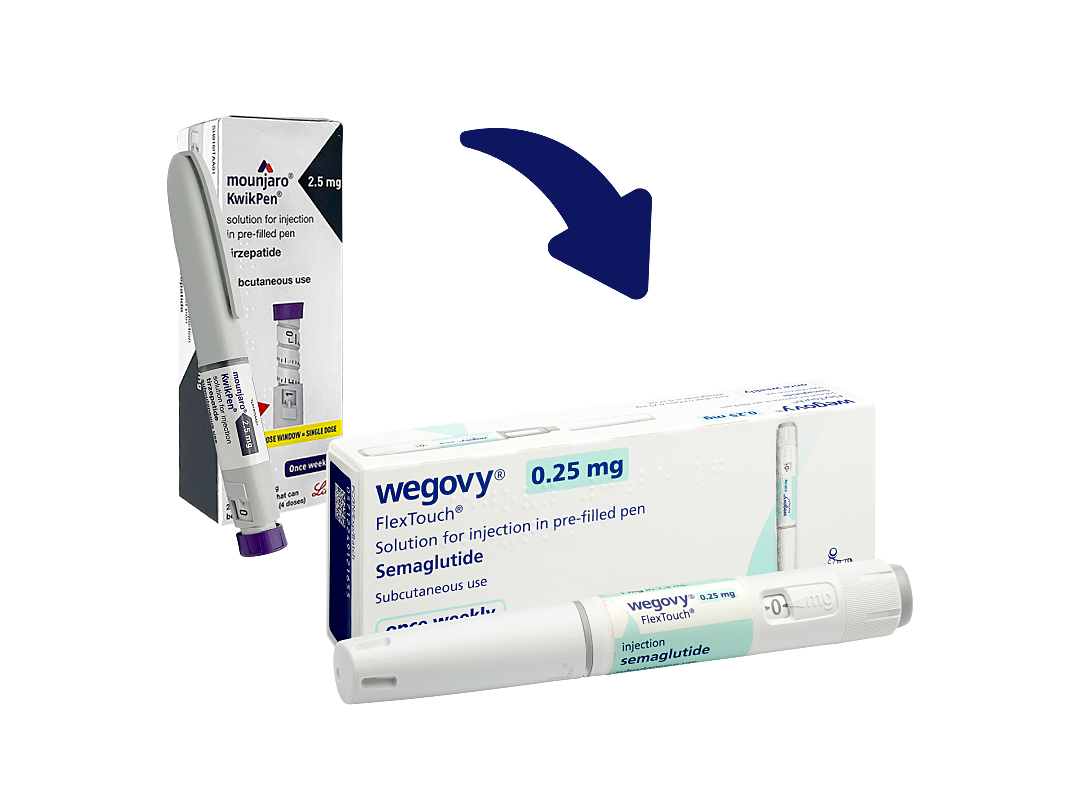
➤ Ask about alternatives – If you're not losing weight on Mounjaro, speak to your doctor to find out if switching to an alternative like Wegovy would be appropriate for you.
“When you’re taking Mounjaro, a doctor should monitor your weight loss journey carefully to make sure that you’ve lost at least 5% of your body weight after 6 months on your highest tolerated dose. If you have not and you’ve been following your other lifestyle changes well, we’ll likely recommend alternative treatment options.”

You should always let your doctor know if your Mounjaro is not working effectively, as they can help identify the possible causes and take the steps to make any adjustments to your treatment plan.
If you’ve been getting consistent results with Mounjaro that stop or taper out over time, it could be down to any combination of factors, including a naturally occurring weight loss plateau or the possibility that your dose is too low (if you have not reached the maximum dose yet).
The 2.5mg dosage of Mounjaro is not designed to make you lose a lot of weight, but to help you get used to the medication at the start. You may notice some changes to your appetite, and even some weight loss on this starter dosage, but noticeable weight loss is typically seen at the higher dosages of 5mg and above (and after 5 to 8 weeks of treatment).
Do not be disheartened if you’re not seeing results early in your treatment plan, especially in the first few weeks.
The 5mg dosage is the first dose of Mounjaro, which is designed to help you lose weight, and it’s where many people start to see consistent weight loss results. If you’re not seeing the scales move after a few weeks at 5mg, then there are a few reasons why this may be happening.
Firstly, your body may still be adjusting to Mounjaro. This is still a low dose of the medication, and it may be the case that it’s not a high enough dosage to see noticeable effects.
Secondly, this medication works most effectively alongside healthy lifestyle changes, and you may not be in a consistent routine this early into your journey. This is when you should start implementing healthy habits and make sure you’re in a calorie deficit.
If you are not seeing weight loss results at 5mg of Mounjaro, it is not a cause for concern. The 5mg dosage is usually a stepping stone to the higher dosages, to get your body used to the medication.
7.5mg is the mid-level dosage of Mounjaro, and you should be seeing results at this dose. If you have not seen weight loss at this dose, or your weight loss has stalled, then you should investigate.
If you were seeing results at lower dosages, but your weight loss has stalled at 7.5mg, then it may be that you are no longer in a calorie deficit. You should recalculate how many calories you need to eat to stay in a calorie deficit, as this changes as you lose weight.
If you have been taking Mounjaro up to the 7.5mg dosage and still have not lost weight, you should speak to a doctor to see whether the medication is right for you. While Mounjaro is an effective medication for most people, it does not work for everybody. A doctor may be able to recommend other weight loss strategies or other medications that are more suitable for you.
10mg is a high-level dose of Mounjaro, so it can be frustrating to see weight loss progress stall at this dose. As you lose weight, your metabolism slows down, which can cause a weight loss plateau. This means that the calorie deficit that worked for you at lower doses may not work any more, and it’s simply maintaining your current weight instead. At this dosage, your body may also be getting used to Mounjaro, which can reduce the “easy” weight loss from early appetite suppression.
At this dosage, you should definitely review your calorie deficit with your current weight, not your starting weight, and adjust your calorie intake down. You can also try and break through the weight loss plateau by changing up your exercise routine, such as introducing strength training, which can help build muscle and burn fat. As you lose weight and exercise more, you will need to increase your reps or switch up your workouts to continue losing weight.
12.5mg is the second-highest dose of Mounjaro, and is where you should be seeing significant weight loss. If you are not seeing results, then it is time to look at improving the lifestyle changes you are making in addition to using Mounjaro.
Often, the medication is working, but hidden calories can be preventing you from achieving a calorie deficit. Tracking everything you consume can help you find hidden calories you may not have been aware of, such as in drinks, sauces, and oils.
Another possible cause is body recomposition. If you have been exercising, then you may have been building muscle while losing fat. This means that while you are getting healthier and your body shape is improving, you will not be losing weight because muscle is denser. At this stage, it may be beneficial to look at the progress you are making off the scale, such as energy levels, how clothes fit on you, and body measurements.
You may want to speak to a doctor about whether moving up to 15mg is the right step for you, as long as you have been taking 12.5mg for 4 weeks. If you are comfortable at your current weight, then you could continue to take 12.5mg as a maintenance dose.
If you’re not losing much weight on a higher dose of Mounjaro, such as 15mg or 12.5mg, then it’s important to speak to your doctor to re-evaluate your treatment options. It could be that you’ve reached a weight loss plateau, that you’re not in a calorie deficit, or that the medication is not the right option for you.
If you find that you’re still hungry while on Mounjaro medication, especially early on in treatment, it’s possible that your body has not gotten used to Mounjaro yet, or the dose may just be too low. Other lifestyle factors, like lack of sleep and stress, can lead to a hunger hormone imbalance and more food cravings than usual.
However, if you find that your appetite does not decrease after prolonged use, there may be other underlying factors affecting how the medication works. You can find out more, but you should talk to your doctor about any concerns with the treatment.
Weight gain on Mounjaro can happen for many reasons, but in most cases, it’s because you still may be consuming more calories than you realise, even if you’ve adjusted your diet or exercise plan.
It’s also possible that your dose is not high enough to suppress your appetite completely. If you’re worried that Mounjaro is not working as it should, it’s important to let your GP know as soon as possible so any adjustments to your treatment plan can be made.
Everyone responds to treatment with Mounjaro in different ways. Clinical trials have found that some patients taking Mounjaro have lost between 16 and 22.5% of their starting weight over 72 weeks on the maximum maintenance dosage. Note that for Mounjaro to be effective, you must follow the dosage schedule up to the 5, 10, or 15mg maintenance dose, and stick to a healthy diet and exercise plan.
Based on clinical trials, during these 72 weeks, you’re likely to notice results between the first 8 to 12 weeks of taking Mounjaro. After this time, you may notice a slow and steady, safe pace of weight loss, losing a little more weight each month as you change doses and continue your medication until you reach your maintenance dose.
Remember that people lose weight at different rates, and not everyone responds to treatment in the same way. There is no set amount of weight you should lose. Instead, it’s about losing weight at a pace that works for your body and building healthy and sustainable habits for weight loss that you can maintain long-term.
Find out how we support you with keeping the weight off with our maintenance service.
Dr Crystal Wyllie studied at Barts and the London School of Medicine and Dentistry, graduating in 2010. She then completed her training as a GP in hospitals and practices in and around London. Her particular interests are in reproductive, sexual, and women’s health.
Last reviewed: 04 Dec 2025
Water Consumption: Effect on Energy Expenditure and Body Weight Management, Current obesity reports [accessed 03 December 2025]
Frontal lobe function, sleep loss and fragmented sleep, Sleep Medicine Reviews. Available at ScienceDirect [accessed 03 December 2025]
The role of leptin and ghrelin in the regulation of food intake and body weight in humans: a review, Obesity Reviews [accessed 03 December 2025]
Increased Hydration Can Be Associated With Weight Loss, Frontiers in Nutrition [accessed 03 December 2025]
Snooze more, eat less? Sleep deprivation may hamper weight control, Harvard Medical School [accessed 03 December 2025]
Mounjaro KwikPen 2.5mg solution for injection in pre-filled pen, emc [accessed 03 December 2025]
Tirzepatide Once Weekly Treatment of Obesity, The New England Journal of Medicine (NEJM) [accessed 03 December 2025]
Wegovy 0.25 mg, FlexTouch solution for injection in pre-filled pen, emc [accessed 03 December 2025]
Xenical, emc [accessed 03 December 2025]
Water-induced thermogenesis, The Journal of Clinical Endocrinology and Metabolism [accessed 03 December 2025]
Once-Weekly Semaglutide in Adults with Overweight or Obesity, NEJM [accessed 03 December 2025]
Our doctors are regulated by the CQC and GPhC, the same bodies overseeing NHS care.

Medical Director

Clinical Lead for Service Expansion

Online Doctor