What are Ozempic feet? Causes, symptoms and how to manage them
The term "Ozempic feet" refers to a set of symptoms some people experience during rapid weight loss associated with medications such as Ozempic, Wegovy, or Mounjaro. This article explains what can cause Ozempic feet, the common symptoms to look out for, who is more at risk, and what you can do to prevent and treat them.

Medically reviewed by
Dr Crystal WyllieLast reviewed: 05 Feb 2026
What's on this page?
What does “Ozempic feet” actually mean?
“Ozempic feet” is a social media term that refers to foot discomfort or pain experienced by some individuals during rapid weight loss caused by GLP-1 medications like Ozempic. It is not a medical diagnosis, but it describes foot discomfort, pain or changes in foot appearance.
The medication itself does not directly damage the foot tissue, but rapid weight loss can affect the feet in different ways and cause discomfort.
Although “Ozempic feet” is not an official medical diagnosis, there is clinical evidence that rapid and substantial weight loss can be associated with nerve issues affecting the feet, such as polyneuropathy, which can cause weakness, tingling or discomfort.
Clinical reports have described cases of polyneuropathy developing after rapid, significant weight loss, highlighting the importance of losing weight gradually (around 1 to 2lbs per week) and maintaining a well-balanced, nutrient-adequate diet.
Nutrient deficiencies can also contribute to neuropathy. If you are experiencing persistent symptoms, such as numbness or tingling in the feet, speak to a doctor to rule out other causes - including diabetes.
Learn more about side effects of Ozempic.
What causes Ozempic feet?
There are several possible explanations why you might get symptoms associated with Ozempic feet.
Rapid fat loss in the feet
As you lose weight, the natural fat pad under the heel and forefoot thins. This can increase pressure on the bones and joints, causing discomfort or tenderness in the feet.
One study found that even modest weight loss changed how pressure was spread across the soles of the feet. As the natural cushioning under the feet thinned, some areas took more pressure, which may help explain why you might notice new foot discomfort as you lose weight.
Decreased muscle strength
If you lose weight without doing strength training, it can reduce the support your feet get from lower leg and foot muscles. This can affect your stability and lead to increased strain during walking and other activities.
Poor footwear or worn-out shoes
As you lose weight, your foot shape may change, and old, worn-out shoes may no longer fit properly. This can contribute to discomfort if your shoes fail to provide adequate support.
Increased activity levels
Many people increase their activity levels when starting a GLP-1 treatment. However, higher activity levels can put additional strain on feet that are already more sensitive due to fat pad loss.
Who is most likely to get Ozempic feet?
Certain factors increase your chances of developing Ozempic feet. Risk factors include:
- your foot structure – if you have flat feet or high arches, you may already have issues with pressure distribution which means you are more prone to discomfort as weight loss alters foot mechanics
- pre-existing foot conditions – if you have conditions like plantar fasciitis, Achilles tendon issues, or metatarsalgia (pain in the ball of your feet), you may experience increased pain with sudden changes in how your feet move and take weight
- your age – as you get older, the natural fat pads in your feet thin, meaning you may be more vulnerable to pressure-related pain
How to prevent Ozempic feet
There are certain things you can do to reduce or prevent foot discomfort during weight loss. Strategies you could try include:
- wearing supportive, well-fitted footwear – choose shoes that provide good arch support and adequate cushioning
- replacing worn-out shoes and avoiding thin-soled or unsupportive footwear
- using cushioned insoles or heel pads – gel or foam inserts can help soften impact if the fat pad has thinned
- strengthening lower-leg and foot muscles by doing exercises such as calf raises and towel scrunches to build strength in the feet and lower legs
- aiming for steady, moderate weight loss rather than rapid fat loss
If you’re losing weight very quickly, talk to your prescriber about whether a slightly slower pace might be more suitable for you.
How to treat symptoms of Ozempic feet
If you're already experiencing symptoms of Ozempic feet, here are some ways to manage and alleviate your discomfort.
Rest and adjust your activity
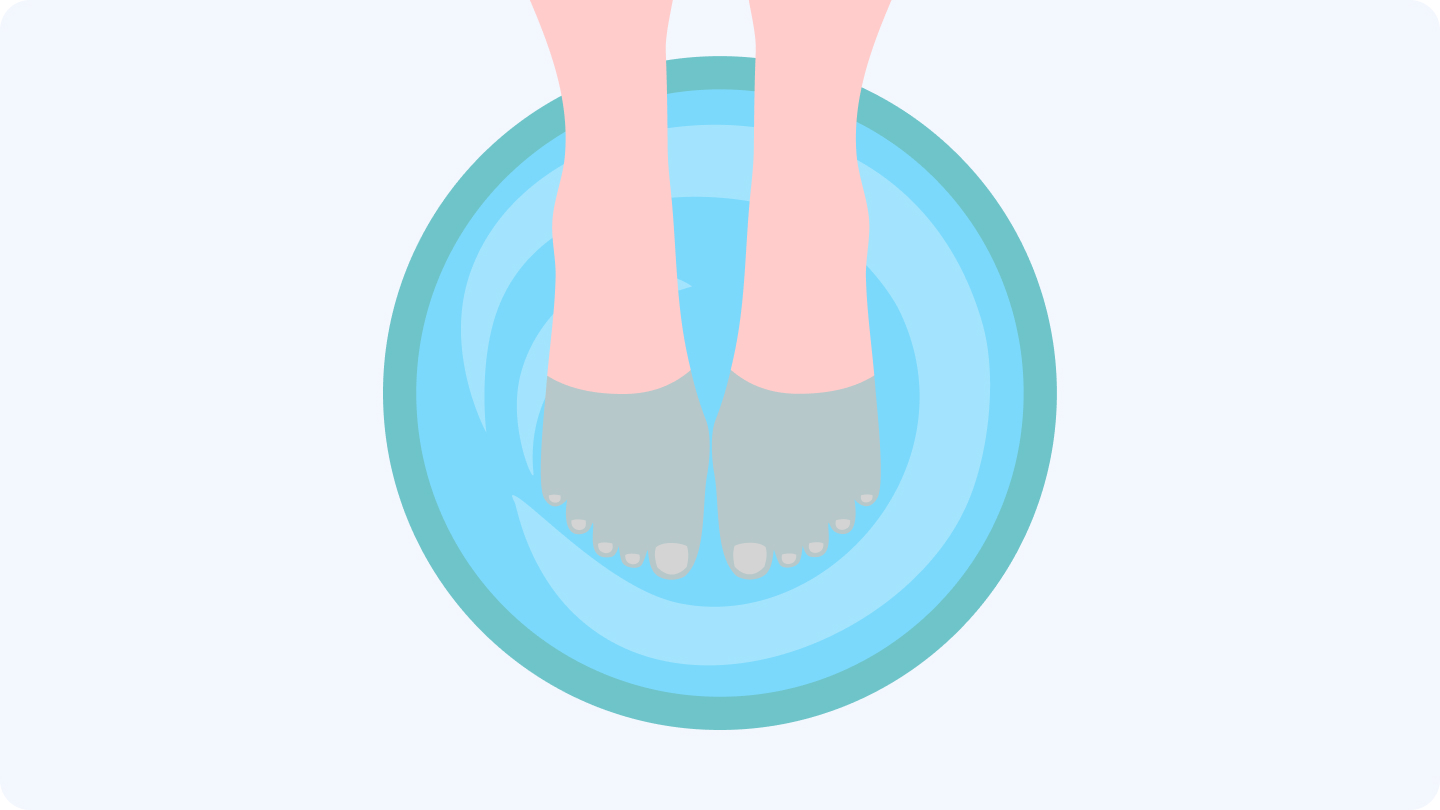
Limit long walks, running, or high-impact activities to allow inflammation to subside. Opt for low-impact activities such as cycling or gentle swimming during flare-ups.
Use ice or anti-inflammatory medicine
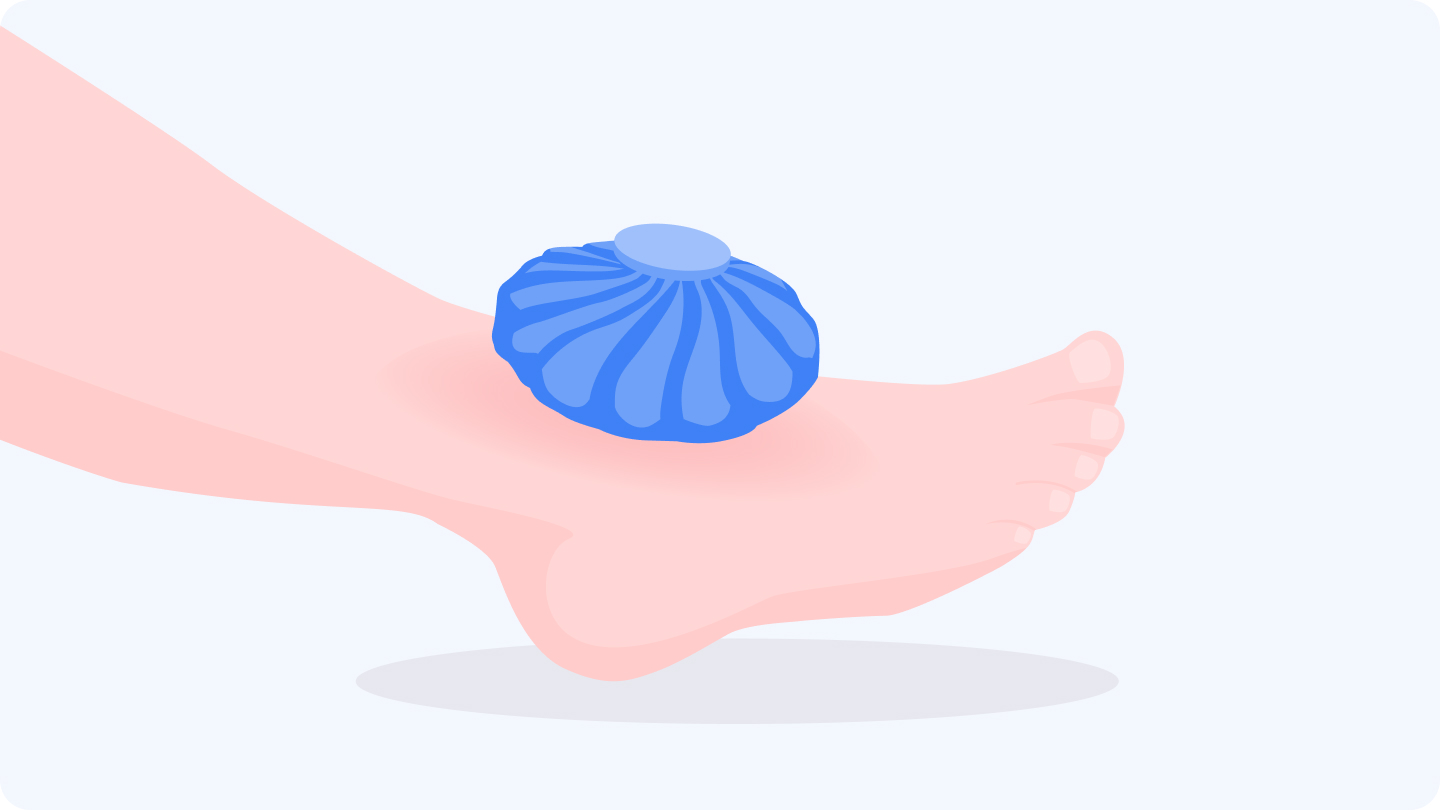
Applying ice to sore areas can help reduce swelling. Over-the-counter anti-inflammatory medications (such as ibuprofen) may also be helpful.
Supportive insoles or custom-made insoles
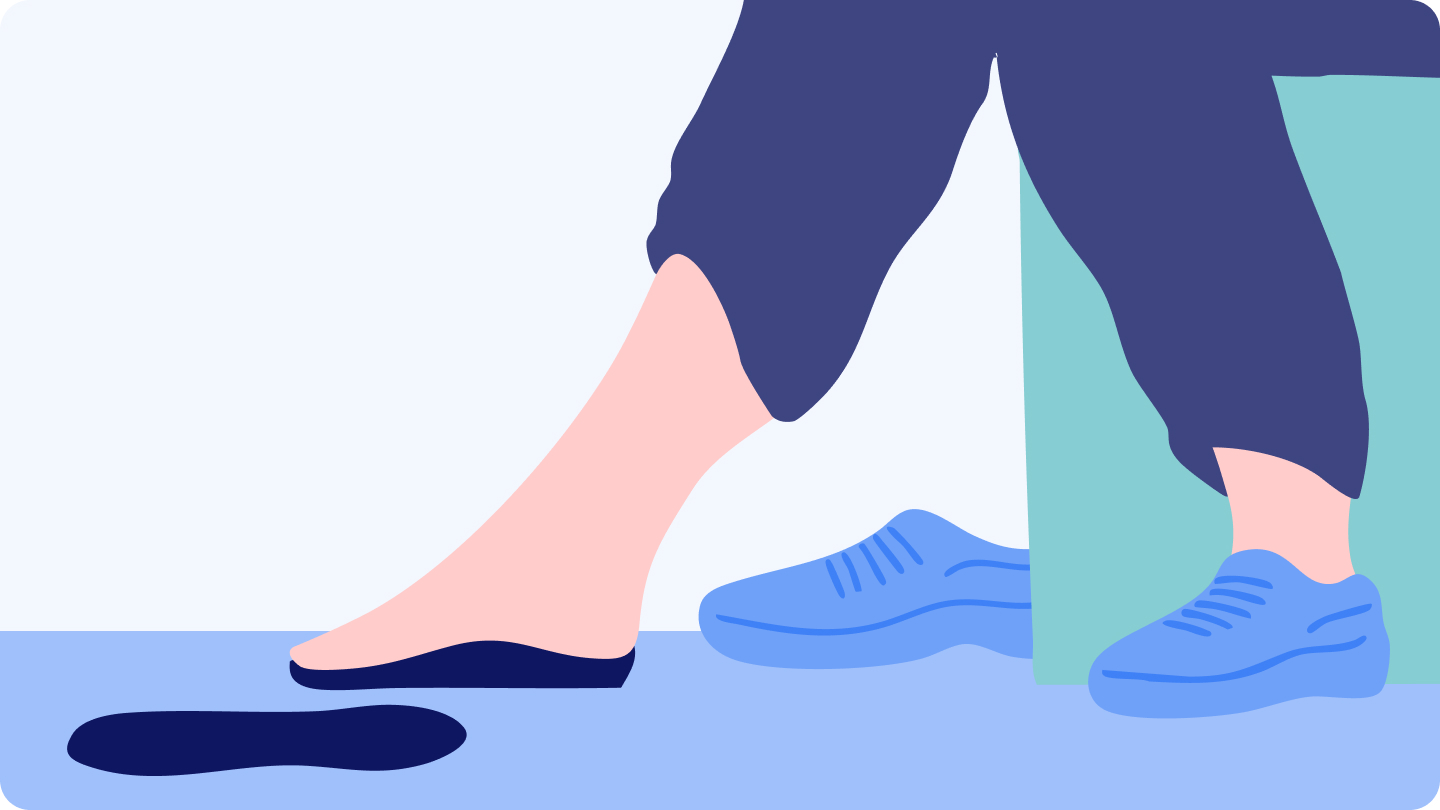
Cushioned insoles or heel cups can redistribute pressure on the feet and reduce discomfort. Custom orthotics may be necessary for ongoing symptoms or if you have pre-existing foot conditions.
Strength training
Build calf, ankle, and muscles in your feet through strengthening exercises. This improves stability and supports better foot mechanics.
Foot massage or rolling
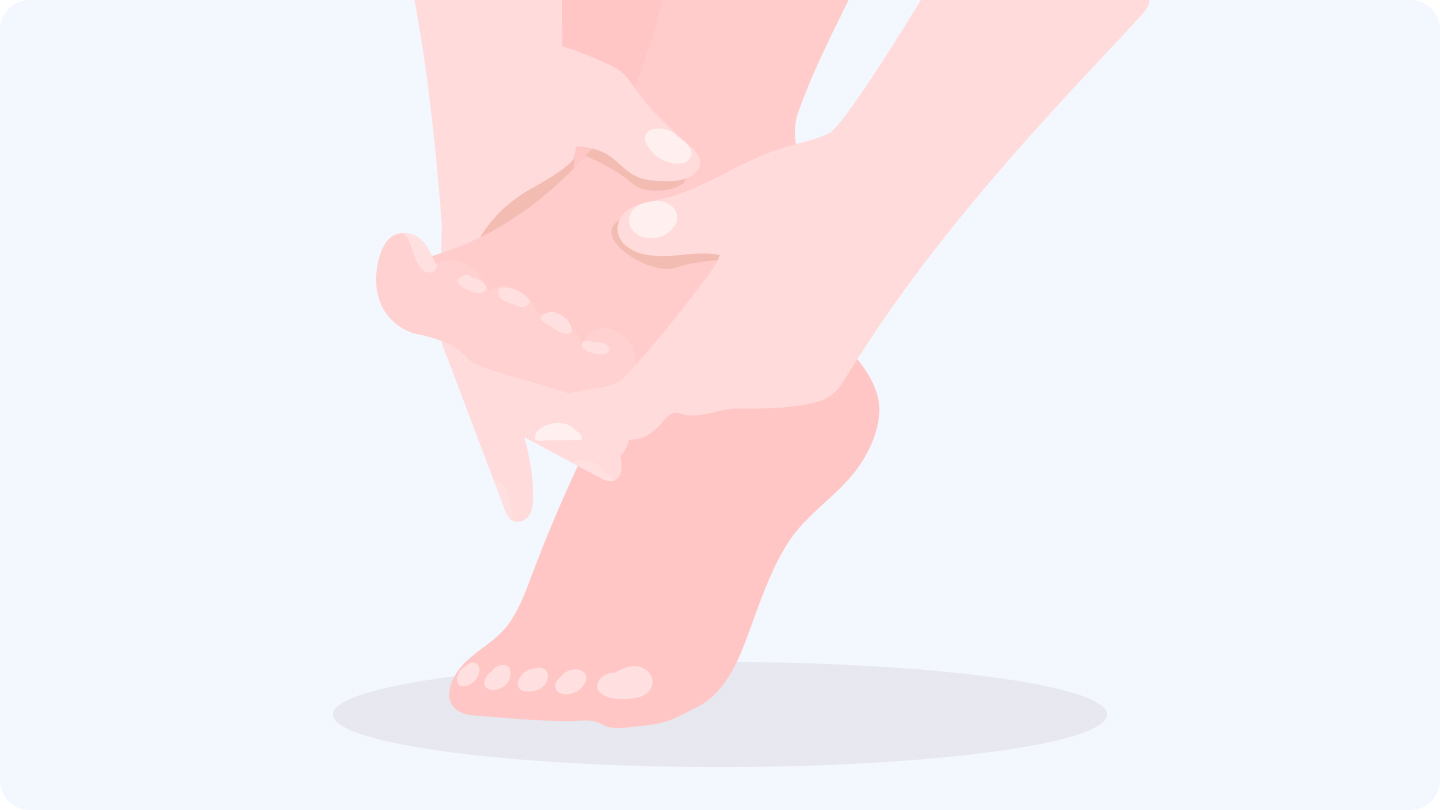
Use hands, a massage ball, or a frozen bottle to roll under the feet and reduce tension in the soles of your feet. Regular soft-tissue work can improve foot flexibility and ease pressure at the heel and arch.
When to see a GP or podiatrist
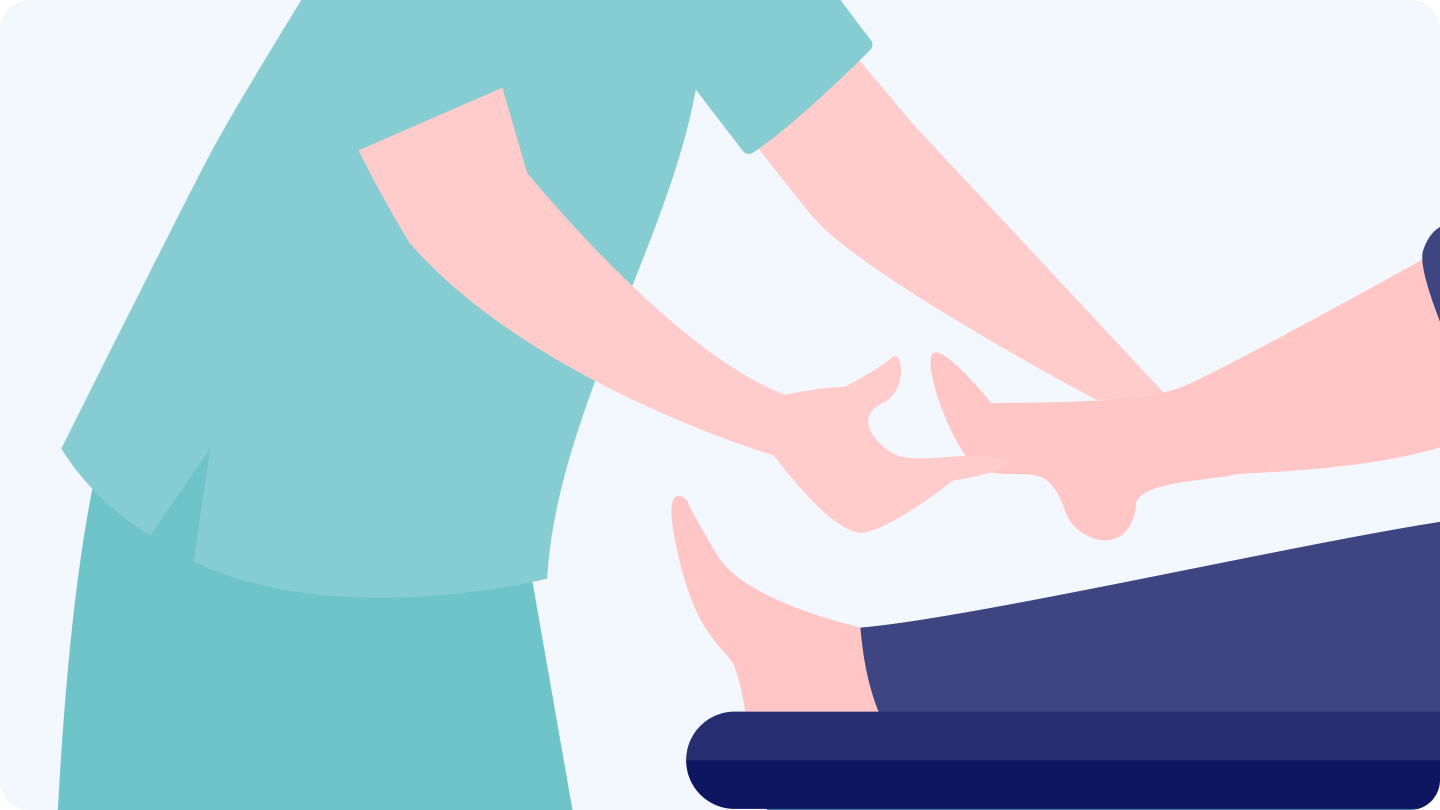
If symptoms persist or worsen, speak to the doctor who prescribed your medication. Persistent pain that does not improve with self care should be seen by your doctor. A podiatrist or physiotherapist can also assess the situation and provide guidance.
Is Ozempic feet permanent?
In most cases, Ozempic feet are temporary. As your weight stabilises, the fat pads under the feet may partially recover. For most individuals, symptoms improve with supportive footwear, insoles and strengthening exercises. Long-term issues are rare, especially if symptoms are addressed early.
How Ozempic feet can be treated
Ozempic feet refers to a set of symptoms related to rapid weight loss from Ozempic or similar medications, which can lead to discomfort in the feet. These symptoms are related to changes in how your feet move and take pressure and fat-pad thinning, rather than direct medication side effects.
Simple preventive measures, such as supportive footwear, strengthening exercises, and gradual activity increases can effectively manage these symptoms. If the symptoms persist or interfere with your daily life, contact the doctor who prescribed your medication.
Frequently asked questions
Does Ozempic affect your legs?
Ozempic can lead to changes in foot mechanics due to rapid weight loss, which may cause discomfort in the feet, legs, and joints – especially when fat pads and muscle strength are affected.
Does Ozempic cause foot swelling?
Foot swelling is not a commonly reported direct side effect of Ozempic, but changes in weight, footwear and activity can make existing foot problems more noticeable. New or severe swelling should always be checked by a doctor, as it can have other, more serious causes.
What are the symptoms and causes of Ozempic feet?
Symptoms of Ozempic feet include sore soles, aching heels, and increased sensitivity. Causes are related to rapid weight loss and changes in foot mechanics, not the medication itself.
How does rapid weight loss from Ozempic affect the feet?
Weight loss can thin fat pads under the feet which increases pressure on bones and joints. This may cause discomfort or pain.
What can you do to prevent or treat Ozempic feet?
Supportive footwear, strength training, and aiming for gradual weight loss are the best preventive measures for Ozempic feet. For treatment, consider insoles, rest, and anti-inflammatory measures.
Are there long-term consequences of Ozempic feet?
Not usually – long-term issues are rare when symptoms are managed early. Most symptoms of Ozempic feet are temporary and improve with proper foot care.
What footwear or lifestyle changes can help with Ozempic feet?
Wear well-fitted shoes with good arch support, and gradually increase activity levels to help prevent foot discomfort.
How do Ozempic, Wegovy, and Mounjaro differ in their effect on weight loss and risk of Ozempic feet?
All three medications can lead to significant weight loss, which may contribute to symptoms that some people call “Ozempic feet”. Because Wegovy and Mounjaro can lead to greater average weight loss, people using them might notice weight-related changes in their feet, too. However, there is not yet enough research on the “Ozempic feet” risk with each medication.

Dr Crystal Wyllie studied at Barts and the London School of Medicine and Dentistry, graduating in 2010. She then completed her training as a GP in hospitals and practices in and around London. Her particular interests are in reproductive, sexual, and women’s health.
Last reviewed: 05 Feb 2026
Sources
Polyneuropathy After Rapid and Massive Weight Loss, Journal of Clinical Neurology [accessed 18 December 2025]
Obesity Treatment, NHS England [accessed 18 December 2025]
Effects of weight loss on foot structure and function in obese adults: A pilot randomized controlled trial, Gait & Posture [accessed 18 December 2025]
Neurological complications associated with rapid weight loss and nutritional deficiencies following GLP-1 agonist use: a case report, Springer Nature [accessed 18 December 2025]
Further reading on weight loss
- Maintenance hub
- Liraglutide
- BMI verification
- Ozempic for weight loss
- Semaglutide for weight loss
- Switching from Saxenda to Mounjaro
- Is coffee good for weight loss?
- How much exercise is needed to lose weight?
- What is Ozempic butt?
- What is Ozempic face?
- Low carb diet for weight loss
- Ozempic dosage guide
- How to lose weight fast and safely
- What is Ozempic mouth?
- How to get Ozempic
- Is Ozempic safe for weight loss? Risks and safety overview
- Ozempic alternatives for weight loss
- Ozempic cost in the UK
- Ozempic on the NHS
- Ozempic and alcohol
- Ozempic side effects: risks and what you should know
- Weight loss injections side effects
- Switch from Wegovy to Mounjaro
Trusted by thousands
Your health guided by experts
Our doctors are regulated by the CQC and GPhC, the same bodies overseeing NHS care.

Medical Director

Clinical Lead for Service Expansion

Online Doctor