The mini pill (progesterone-only pill, POP)

Medically reviewed by
Dr Brenda IkejiLast reviewed: 22 Jun 2025
The progesterone-only pill, or the mini pill, is a form of hormonal birth control that contains only 1 hormone. It can be a suitable alternative for those who cannot take oestrogen, or for people looking for an option with lower-dose hormones. This article will look at how the mini pill works, the different types of mini pill, and how it’s different to the combined pill.

What is the mini pill?
The mini pill (progesterone-only pill or POP) is a contraceptive pill that only contains the hormone progesterone to protect you from pregnancy. It’s an ideal contraceptive method if you cannot take oestrogen. When taken properly, the mini pill is over 99% effective.
Mini pills contain synthetic versions of progesterone, such as desogestrel or levonorgestrel. There are several mini pill brands available, such as Cerelle and Cerazette.
How does the mini pill work?
The mini pill works by giving your body a steady dose of progesterone hormone.
Your menstrual cycle is regulated by changing levels of oestrogen and progesterone. By taking the progesterone-only pill regularly, the way your reproductive system works is changed to prevent unwanted pregnancies as it would if you were already pregnant.
The mini pill contraceptive can also thicken your cervical mucus to stop sperm from getting into your womb. It can also thin the lining of your womb, making it more difficult for an egg to implant and grow. This can cause you to have much lighter periods, which is one of the mini pill’s benefits.
How long does the mini pill take to work?
If you take the mini pill within the first 5 days of your period starting, it will work straight away to protect you from pregnancy. If you start the mini pill contraceptive after or before this window, you’ll need to use condoms for 2 days while you continue to take it.
It takes around 7 days for the pill to provide full contraceptive protection. A missed mini pill will interrupt this process, and it will no longer be 99% effective.
Remember that the mini pill does not protect you against sexually transmitted infections (STIs). Only barrier contraceptives, like condoms, can protect you against STIs when you’re having sex.
Find your mini pill online




How effective is the mini pill?
Research shows that the mini pill is over 99% effective when taken perfectly. However, this drops to around 91% effective across everyone who takes it, since it’s not always taken properly.
This means that if 100 sexually active people use the mini pill for 1 year:
- perfectly, potentially 1 of them will get pregnant
- not perfectly, around 9 of them will get pregnant
The effectiveness of the mini pill depends on how you take it. Taking the mini pill as prescribed and at the same time each day will improve how effective it is.
Mini pill benefits
The mini pill can do more than effectively prevent pregnancy without interrupting sexual activity. There are several other benefits of the mini pill, for example, you:
- may experience a lighter period or no period at all, which makes it a great choice for treating heavy or painful periods and endometriosis
- can take it even if you are breastfeeding, overweight, over 35, smoke, have a history of blood clots, or have high blood pressure
- can take it even if you cannot take the combined contraceptive pill
- can take the mini pill even if you get migraines with auras
What are the disadvantages of progesterone-only pills?
The POP can have disadvantages, although these may not apply to everyone, for example it:
- does not have the same oestrogen-related benefits as the combined pill, such as improvements to acne or premenstrual syndrome (PMS)
- can cause side effects such as breast tenderness
- has a 3 or 12-hour window, meaning you must remember to take it every day within this time for maximum effectiveness
- has no pill-free break
- does not protect against STIs, which means you will still need to use a condom when having sex with a new or casual partner
- may cause your periods to change, for example, they may become lighter, irregular, or more frequent than before
Mini pill reviews
The average rating of the progesterone-only pill is 2.7 out of 5, but this may differ depending on which type of mini pill you use. Most patients who use the mini pill report having a lighter period or no period at all, which can help people who have heavy or painful periods.
During the first 1 to 6 months, side effects were reported the most, especially spotting between periods and mood changes. This decreased for most women when continuing with treatment.
Patient reviews can be a good way to get an idea of what a medication is like, but the only way to know for sure how you will react to the mini pill is to try it yourself.
What is the difference between the combined pill and the mini pill?
When looking at the mini pill vs the combined pill, the main difference is the hormones they contain. Combined pills contain both oestrogen and progesterone, whereas the mini pill contains only progesterone. If you are already taking the mini pill, switching to a combined pill is safe and easy.
They both work similarly by giving your body a steady dose of hormones. Both pills cause changes to your reproductive system, which help to prevent unwanted pregnancies. You can get pregnant again after you stop taking the pill.
The way you take a combined pill is different to how you take a mini pill. With a combined pill, you take it every day and often have placebo pills, or take a break for up to 7 days during a 28-day cycle. With the mini pill, you take it every day without any breaks during a 28-day cycle.
With the mini pill, you need to take it at the same time each day, within the same 3-hour or 12-hour window. With the combined pill, you need to take it at the same time each day within the same 24-hour window, though there are a few combined pills that must be taken within 12 hours to remain at maximum effectiveness.
The mini pill comes with a few advantages, one of those being the over-the-counter availability of some brands. It also does not contain oestrogen, so there are no oestrogen-related side effects associated with the combined pill, making it a more suitable option for people who cannot take oestrogen.
However, there are some drawbacks to the mini pill. It has more progesterone-related side effects, such as irregular bleeding, and has fewer oestrogen-related benefits, like improved skin. The mini pill also has to be taken at the same time every day and with a smaller window of opportunity compared to the combined pill.
The combined pill has its own set of benefits, such as fewer progesterone-related side effects and more oestrogen-related benefits. There is also a slightly bigger window of opportunity for taking each dose. But the combined pill is not available over the counter and can have more oestrogen-related side effects. It is also not suitable for people with certain health risks.

“Both pills are equally effective as long as you take them properly. There’s no easy answer to “what is the safest birth control pill?”, both can be safe as long as a healthcare professional has approved treatment for you. To ensure your treatment is safe, give honest answers during your treatment assessment and order your pill via a regulated online doctor service or speak to your local GP.” – Dr Babak Ashrafi, Clinical Lead for Service Expansion at ZAVA.
What are the different types of mini pills?
The different types of mini pill contain different active ingredients, which include desogestrel, levonorgestrel, and norethisterone. These are synthetic progesterone and work in the same way, but you may find that some types of mini pill give you fewer side effects than others.
Desogestrel mini pills
Desogestrel has a bigger, 12-hour window for taking your pill than other types of mini pill. It’s a third-generation progesterone, which means it has less androgenic (male hormone) effect.
Cerazette mini pill
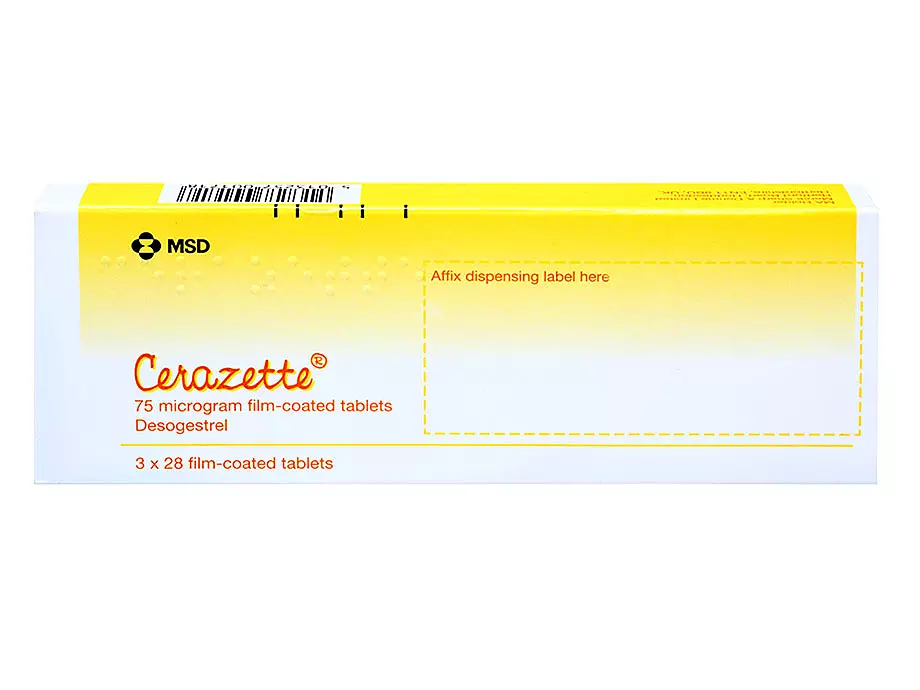
Cerazette, a mini pill with a 12-hour window for taking it:
- contains 75 micrograms of desogestrel
- can be taken within a 12-hour window without becoming less effective
- is similar to pills such as Cerelle, Hana, Lovima, and Zelleta, as they contain the same dose of desogestrel, but may contain different non-active ingredients
Cerazette is a branded pill manufactured by Organon Pharma (UK) Limited and should be taken once daily.
Сerelle mini pill
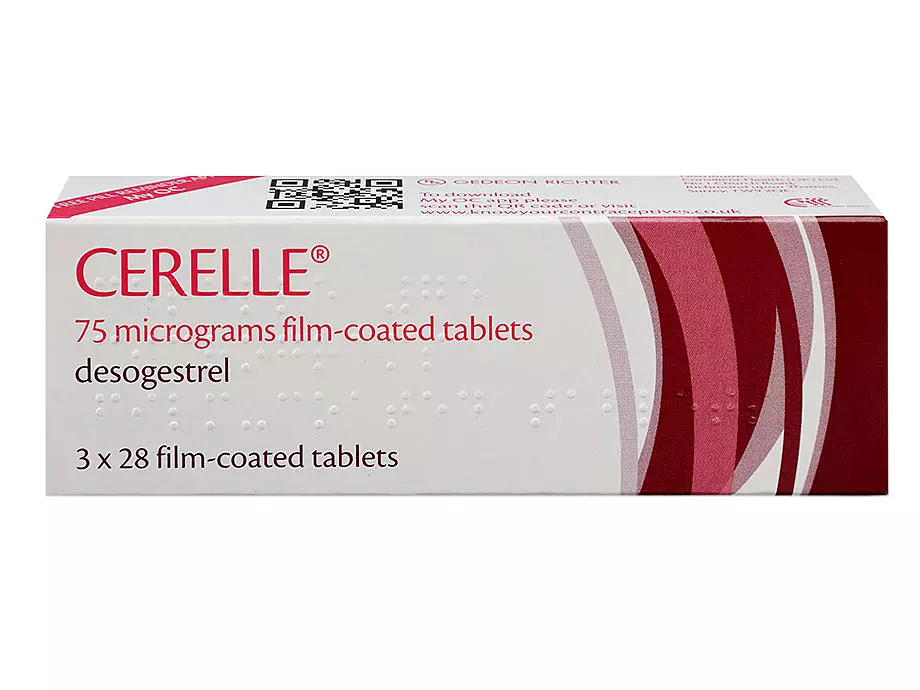
Cerelle, another branded version of desogestrel:
- contains 75 micrograms of desogestrel
- can be taken within a 12-hour window without becoming less effective
- is similar to pills such as Cerazette, Hana, Zelleta, and Lovima, as they contain the same dose of desogestrel, but may contain other non-active ingredients
Cerelle is manufactured by Gedeon Richter Plc and is effective at preventing pregnancy when taken once daily.
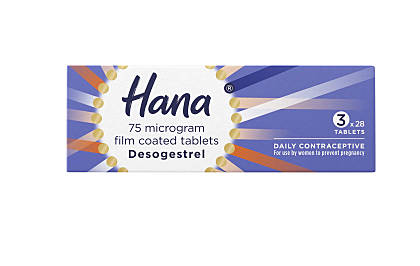
Hana mini pill
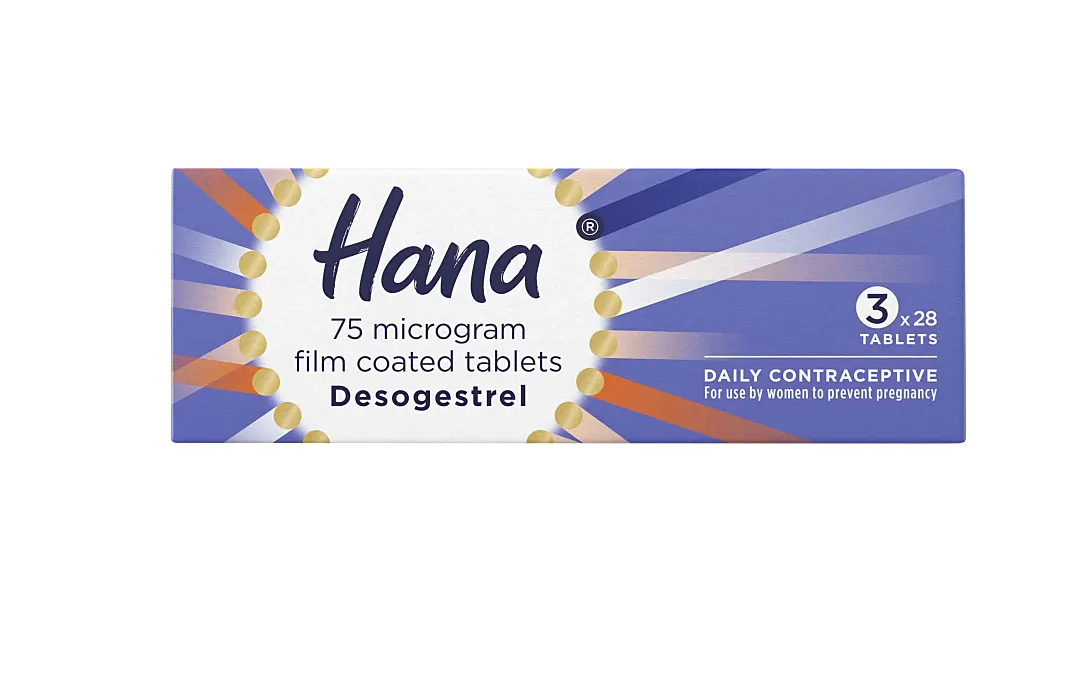
Hana, the first over-the-counter contraceptive pill:
- contains 75 micrograms of desogestrel
- can be taken within a 12-hour window without becoming less effective
- is similar to pills such as Cerazette, Cerelle, Zelleta, and Lovima, as they contain the same dose of desogestrel, but may contain other non-active ingredients
Hana was the first POP available without a prescription, meaning you can get it over the counter. Like all other mini pills, it should be taken once a day to prevent pregnancy. It’s manufactured by HRA Pharma UK and Ireland Limited.
Zelleta mini pill
Zelleta, another 12-hour mini pill:
- contains 75 micrograms of desogestrel
- must be taken within 12 hours of the day before to remain 99% effective
- is similar to pills such as Cerazette, Cerelle, Hana, and Lovima, as they contain the same dose but may contain other non-active ingredients
Zelleta should be taken once a day to prevent pregnancy. It’s manufactured by Morningside Healthcare.
Levonorgestrel mini pills
Levonorgestrel is a second-generation progesterone. This means it’s more androgenic, which makes acne more likely as a side effect, but can also increase the chance of positive effects on periods. Norgeston is the main brand of levonorgestrel mini pill available in the UK.
Norgeston mini pill
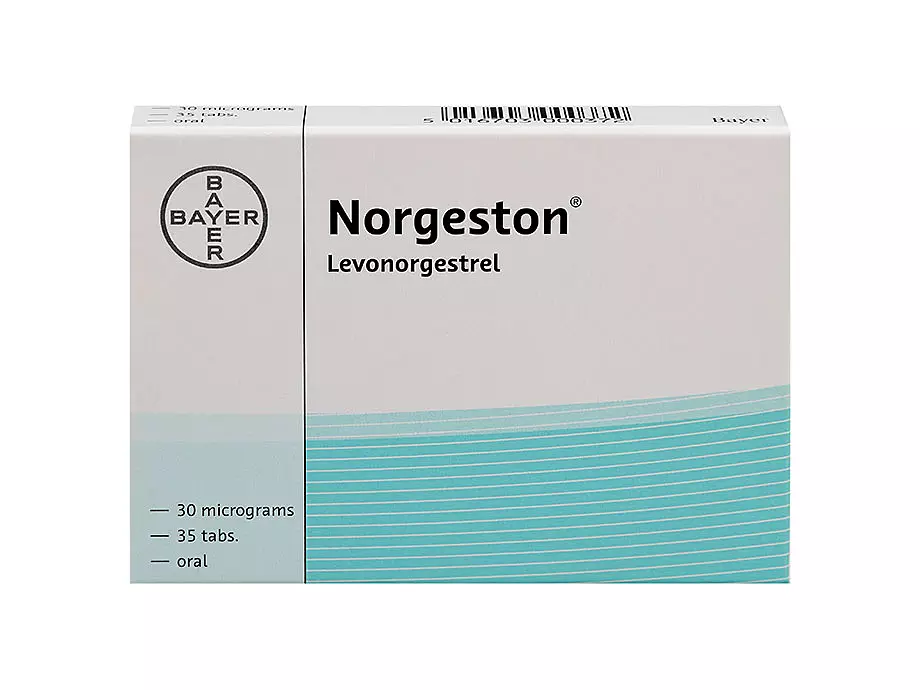
- contains 30 micrograms of levonorgestrel
- must be taken in a 3-hour window to maintain maximum effectiveness
- is the only mini pill on the market that contains this dose of levonorgestrel
Norgeston is a branded prescription-only mini pill that should be taken within 3 hours of the day before to remain 99% effective. It’s manufactured by Bayer.
Norethisterone mini pills
Norethisterone is the third type of active ingredient used in mini pills. It’s a first-generation progesterone, which puts it in the middle of the second and third generations in terms of androgenic effect. This means it has a slight chance of side effects like acne and positive effects on periods. Norethisterone can also be used to delay your period at higher doses, which are not used for contraception.
Norethisterone mini pills include:
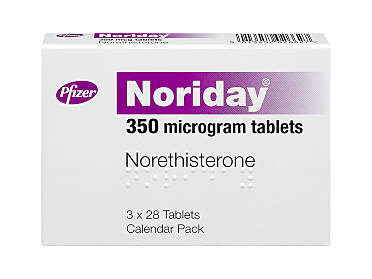
Noriday mini pill
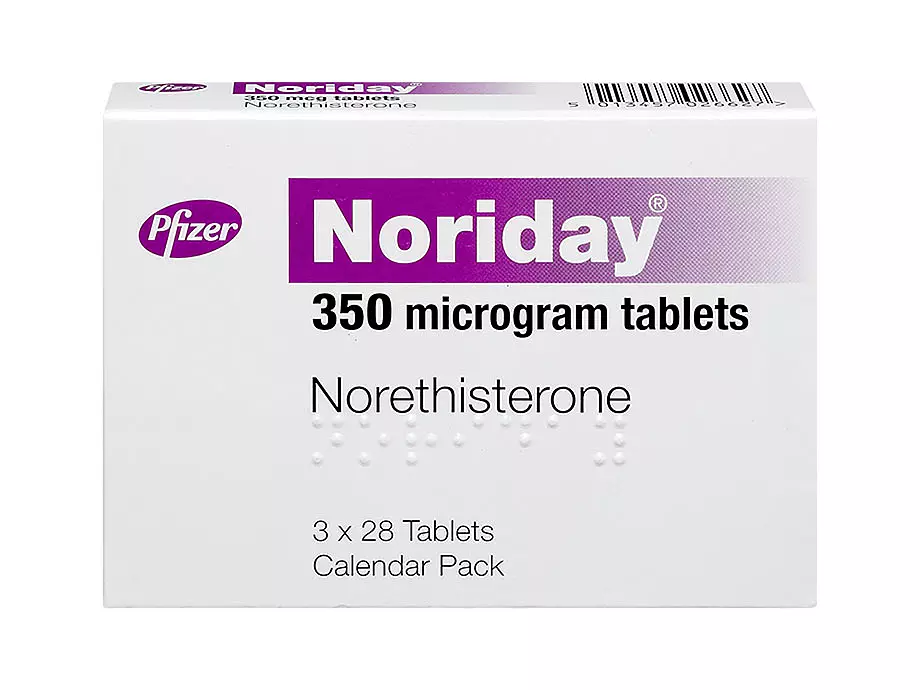
Noriday, a norethisterone pill:
- contains 350 micrograms of norethisterone
- must be taken in a 3-hour window to maintain maximum effectiveness
- is similar to the Micronor mini pill
Noriday is made by Pfizer and should be taken once daily for protection against pregnancy. You must take it within 3 hours of the day before, or at the same time every day.
How to take the mini pill (POP)
Taking the progesterone-only pill is mostly straightforward – the main issues come with remembering to take it at the same time each day. Your doctor will let you know how and when to take the mini pill if this is your first time using it.
In this part of this guide, we also have information for if you are switching from the combined pill to the mini pill, and guidance on what to do if you have forgotten to take your mini pill.
When to start taking the mini pill
When to start the mini pill depends on your current situation, such as what point in your menstrual cycle you are at or whether you have been taking another pill.
If you start your pill:
- on days 1 to 5 of your period, you’ll be protected immediately and will not need to use any extra protection
- day 6 or later of your menstrual cycle, use extra protection, like condoms, for 2 days – this also applies if you have a short or irregular menstrual cycle
If you’re switching from another mini pill:
- start taking the new pill at any point during the cycle
- make sure you have not missed any pills, and take your new mini pill instead of your old mini pill at your usual time each day
You will not need extra contraception unless you take a break between pills.
Switching from the combined pill to the mini pill
If you’re switching from the combined pill and usually take a pill-free break:
- start the mini pill the day after your last active pill
- skip the placebo (inactive) pills
- you will not need to use extra contraception
If you’re switching from the combined pill and do not have a pill-free break or placebo pills:
- start the mini pill the day after the last combined pill
- you will not need to use extra contraception
Vomiting and diarrhoea can change the effectiveness of the mini pill. If you throw up or have diarrhoea within 2 hours after taking the pill, you’ll need to use extra contraception while you’re sick and for 2 days after. Keep taking the mini pill as normal during this time.
Missed mini pill: what to do if you forget to take it?
If you forget to take a mini pill, take the missed pill as soon as you remember. This might mean taking 2 pills on the same day.
You’ll need to check what type of mini pill you are taking. Most mini pills can be taken within the same 12 hours each day, such as desogestrel pills Cerelle, Cerazette, Lovima, and Hana. Noriday or Norgeston need to be taken within the same 3-hour window each day.
If you remember to take the pill within the allowed time, either 3 or 12 hours, depending on the pill, then your risk of pregnancy is not increased. Take the missing pill as soon as you remember and continue with your regular schedule.
However, if the window has passed, then your risk of pregnancy may be increased. You should take the pill as soon as you remember and continue to take the rest as scheduled. In this case, you use extra contraception, like condoms, for the next 2 days.
If you’ve had unprotected sex within 48 hours of missing the pill, consider talking to your doctor about emergency contraception.
How to stop taking the mini pill
You can stop taking the mini pill at any time, even if you are in the middle of a packet. There is no need to wean yourself off the pill, like with some other medications.
When you stop taking the pill, you may have an adjustment period, leading to irregular periods and other symptoms, like mood swings or acne, for a few months. If you are concerned about any side effects, you should speak with your doctor.
If you do not want to get pregnant, you will need to use other forms of contraception, such as condoms, straight away.
What are the main side effects of the mini pill?
You may experience some mini pill side effects when you first take the progesterone-only pill. These side effects are usually temporary.
Some side effects of the mini pill will go away after a few days of taking it, as your body gets used to the hormones. Other side effects may take a few weeks or months to get better.
If you’re concerned about any side effects, speak to a doctor or pharmacist.
Common side effects of the mini pill include:
- headache
- feeling sick
- acne
- mood changes, such as depression
- reduced sex drive
- breast tenderness
- irregular or no periods
- increased body weight
Uncommon side effects can affect up to 1% of women taking the mini pill. This means if 200 women take the mini pill, fewer than 2 women will experience these side effects.
Uncommon side effects of the mini pill include:
- tiredness
- vomiting
- painful periods
- hair loss
- vaginal infections such as thrush
- ovarian cysts
Women older than 40 have a higher risk of breast cancer than younger women. It’s important to check your breasts regularly and let your doctor know if you notice anything unusual.
The mini pill has a smaller risk of both blood clots and breast cancer compared to the combined pill. This might make it a better choice for you than the combined pill.
You can find out more information about side effects by reading the patient information leaflet that comes with your pack of mini pills.
Conclusion: is the mini pill right for me?
Deciding whether the mini pill is right for you will depend on a variety of things, like your lifestyle, health needs, and preferences. The mini pill can be a good option for people who prefer, or need, to avoid oestrogen or are looking for pills with lower hormone doses. If you are looking for a pill to help with painful or heavy periods, the mini pill could be a good option to consider. You should also consider whether or not you would be comfortable taking a pill every day.
However, the only way to know for sure if the mini pill is right for you is to get a doctor or pharmacist to approve treatment and try it for yourself. If you do get side effects, there are other options available, and you can always try another mini pill.
Frequently asked questions
Why am I bleeding on the mini pill?
The mini pill thins the lining of the uterus, which can lead to spotting or breakthrough bleeds between periods in around 70% of people. This can happen in the first few months, as your body adjusts to the hormone change and is usually nothing to worry about.
Do you get a period on the mini pill?
Yes, you can get a period on the mini pill, but you may notice some changes with it. A common side effect of the mini pill is a change to periods, you may find they are lighter, or stop altogether. They may also be more frequent.
Can the mini pill stop my period?
The mini pill may stop your period, but this is different for every person who takes it. Even though it might stop ovulation, you may also get irregular bleeding or spotting. It may take several months for the mini pill to stop or lighten your period, so give it some time for your body to adjust.
Can I get pregnant if I miss one mini pill?
It may be possible to get pregnant from missing 1 mini pill, but the chances are low. If you’ve missed a mini pill, had unprotected sex, and it’s been longer than 3 or 12 hours since your dose was due, you may need emergency contraception.
If you miss your mini pill but it’s still within the window to take it, take your dose straight away, and this will protect you from pregnancy.
How often do you bleed on the mini pill?
You may stop bleeding altogether if you are taking the progesterone-only pill, as there are no breaks between packs like the combined pill. It can take several months for your body to get used to this, so you may still get a period or spotting during this time.
Does the mini pill cause weight gain?
A 2013 review of 16 studies of the mini pill and weight gain showed that there was no strong evidence that progesterone-only contraceptive pills cause weight gain. Sometimes the mini pill can cause fluid retention and bloating, which might feel like weight gai,n and this is usually temporary.
Which mini pill is best for acne?
Does the mini pill increase depression?
The mini pill can cause mood changes, especially as your hormones are changing. This usually lessens over time, but if you get depression, anxiety, or changes in your mood which do not feel right, speak to your doctor about which mini pill is best. Speak to your GP or call 111 if you feel very low in mood.
What are the positive effects of the mini pill?
The mini pill can prevent pregnancy and may cause lighter, less painful, and shorter periods. It’s also safer if you have certain medical conditions and there is no increased risk of blood clots, unlike the combined pill.
How do I know if the mini pill is working?
If you are taking the mini pill on time every day, without throwing up or having diarrhoea, it will be working. If you’re worried about your mini pill not working, use additional protection like condoms when you have sex or talk to your doctor and discuss your concerns.
Does the mini pill affect menopause?
Yes, the mini pill and menopause together can make early menopause symptoms, such as irregular bleeding and hot flushes, more likely.

Brenda studied medicine at St Georges University of London and has most recently worked in John Radcliffe Oxford University Hospitals, covering acute and general medicine.
Meet our doctorsLast reviewed: 22 Jun 2025
-
Progestogen-only pills and bleeding disturbances, European Society of Human Reproduction and Embryology [accessed 23 May 2025]
-
How well contraception works at preventing pregnancy, NHS [accessed 23 May 2025]
-
Contraception Selection, Effectiveness, and Adverse Effects. A Review, JAMA [accessed 23 May 2025]
-
The progestogen-only pill, NHS [accessed 23 May 2025]
-
Desogestrel, NICE [accessed 23 May 2025]










 Secure payment


