Side effects of the morning after pill

Medically reviewed by
Dr Brenda IkejiLast reviewed: 21 May 2025
Emergency contraceptive pills can offer a very effective way of avoiding an unwanted pregnancy. Like with any medication, you may experience side effects of the morning after pill. For most people, these side effects are mild and go away on their own within a day.
The morning after pill is very safe and highly effective. However, you may have heard some myths about side effects or health risks. In this guide, we’ll provide more information on side effects of taking the morning after pill and what to do if you experience them.

Key takeaways
Both ellaOne and Levonelle can cause side effects such as nausea, headache and abdominal pain
After taking the morning after pill, you may find that your next period is lighter or heavier than usual or that it comes earlier or later
If you vomit within three hours of taking the morning after pill you may need to take another dose
You can treat morning after pill side effects with over-the-counter medications and eating before you take it to reduce nausea
What is the morning after pill?
For many women, the morning after pill can be a safe way of avoiding unwanted pregnancies after unprotected sex. It’s possible for the morning after pill to give you side effects but, unless you throw up, the side effects are typically mild or aren't usually a problem.
Emergency contraception works by delaying ovulation, which temporarily disrupts your body’s natural hormonal balance. While this is generally well tolerated, some people are more sensitive to this sudden hormonal shift, which can lead to short-term side effects like nausea, headaches, or changes to your next period.
In some cases, women become concerned that the side effects they are experiencing from the morning after pill are signs of pregnancy. If you are unsure about the side effects you are experiencing, and you have not had your period for a week, speak to your doctor.
— Dr Brenda Ikeji, Medical Editor.Factors like your menstrual cycle timing, naturally-occurring hormone levels, and individual sensitivity to the medication can all play a role in whether or not you’ll have side effects from the morning after pill. Most side effects are mild and resolve quickly, but if they’re severe or don’t go away after a day or two, it’s a good idea to speak with a doctor.
What are the most common side effects of the morning after pill?
‘Common’ side effects means that these symptoms may affect up to 1 in every 10 people. The most common side effects of the morning after pill include:
Abdominal pain
You may experience pain in the stomach such as cramps, or aches.

Back pain
Some people experience pains in the back.
Breast tenderness
Hormonal changes may result in breast tenderness.

Mood swings
Due to fluctuating hormones, some experience change in mood.

Painful next period
Sometimes women experience a painful next period after taking the morning after pill.

Nausea and vomiting
It is common to experience nausea and sometimes vomiting, if you experience vomiting though you should contact your doctor.

Dizziness
Some women experience dizziness as a side effect of the morning after pill.

Fatigue
Tiredness is a common experience among those taking the morning after pill.

Headache
Fluctuations in hormones can sometimes increase the risk of headaches.
What are some of the less common morning after pill side effects?
Less common side effects of the morning after pill are those that typically affect around 1 in 100 people. These include:
- diarrhoea and wind
- feeling dizzy
- changes to your period
- heartburn
- dry mouth
- vaginal irritation
- unusual discharge
- anxiety
- insomnia
- migraine
- acne
Very rare side effects of morning after pills
A smaller number of women may experience very rare side effects (less than 1 in 1000) such as:
- itchiness
- rash
- swelling of the face
- genital pain
- pain during sex
- loss of concentration
- unusual sensations (vertigo, disorientation)
- disturbances to your sense of taste
- thirstiness
If you notice any side effects from the morning after pill, you can report them on the UK government’s ‘Yellow Card’ website.
Serious side effects of morning after pills
It is very rare to experience dangerous side effects from taking the morning after pill. However, some people who use the medication may develop an allergic reaction – this is very serious.
Call 999 or get someone to take you to the nearest Accident & Emergency department if you get any of the following symptoms:
- feeling lightheaded or faint, or collapsing
- difficulty breathing, or wheezing
- an itchy, raised rash all over the body
- swelling of the face, lips, or tongue
How long do the side effects of the morning after pill last?
If you experience side effects with the morning after pill, they should usually pass on their own within 24 hours. If they last for 48 hours or more, contact your doctor.
Do different brands of morning after pill have different side effects?
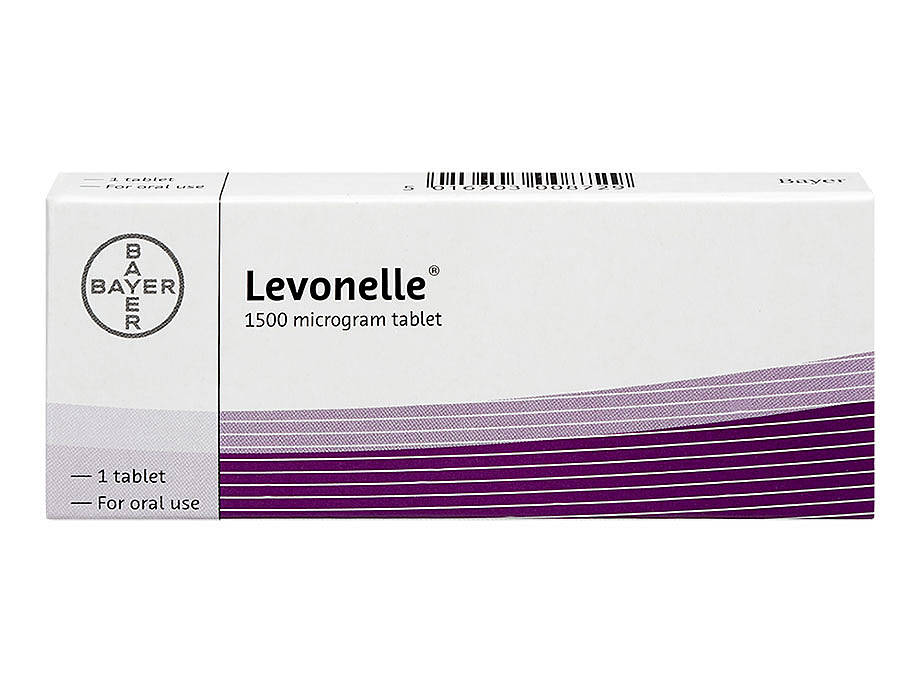
Some side effects of Levonelle and ellaOne are the same. These are:
- uncomfortable feelings in the stomach
- headaches
- dizziness
- changes to your periods
- feeling sick (nausea) or being sick (vomiting)
- breast tenderness
- tiredness (fatigue)
Side effects that are more common with Levonelle (and generic levonorgestrel) are:
- skin reactions
- diarrhoea
Side effects that are more common with ellaOne are:
- back pain


No results found.
Please check your spelling or try another treatment name.
Can the morning after pill make you emotional?
Yes, many women report experiencing mood swings after taking emergency contraception. This happens because the morning after pill can affect your natural levels of oestrogen and progesterone — hormones that influence your mood and menstrual cycle. Some people are more sensitive to hormonal shifts and may feel the effects more strongly.
The morning after pill’s side effects on mood may also include anxiety, low mood and sleep problems. It is also perfectly normal to feel anxious and worried while you wait for your next period, to confirm whether or not the pill worked.
What to do if you get morning after pill side effects
Getting side effects from emergency contraceptive medication can be unpleasant. However, in the vast majority of cases, they will go away by themselves in a few hours.
Most side effects don’t affect how well the morning after pill works, unless you throw up within a few hours of taking the pill. If this happens to you, speak to your GP or pharmacist. It could mean the pill may not have had time to be absorbed into your body. This might mean that you have to take another one.
If you find that you can put up with the side effects that you get, you don’t need to do anything. If the side effects really bother you, there may be some things that you can do to help. If you get pain or discomfort, you can take regular over-the-counter painkillers such as paracetamol or apply hot compresses to the area. If you feel sick, anti-sickness home remedies like making a cup of ginger tea might help.
What happens if you are sick after taking the morning after pill?
If you are sick within two hours after you take Levonelle or ellaOne, you may need to take another tablet. On an empty stomach, your body usually absorbs medication within 30 minutes to an hour of taking it. But if you have eaten a big meal, have food poisoning, or feel sick for some other reason, your body might not have had time to absorb your emergency contraceptive pill. Speak to a GP or pharmacist if this happens to you.
Does the morning after pill affect your period?
Yes, the morning after pill can cause changes to your period. It can also make it come earlier than usual or up to seven days later than usual. It affects women in different ways. Your next period may be lighter or heavier than normal, or your next period may come earlier or later than is normal for you. Some women get spotting after taking the morning after pill.
If your period is more than three weeks late, you’ll need to take a pregnancy test.
Is the morning after pill safe for everyone?
Most women can safely take the morning after pill, but it might not be suitable for everyone.
Women who have to take steroid tablets to control severe asthma should not use EllaOne. If you have a severe allergy to any of the contents of the morning after pill you should also not use it. All of the morning after pills contain lactose.
Some women should not take the morning after pill. Talk to your doctor or pharmacist if you:
- take medications to lower stomach acid levels, like omeprazole
- are currently taking antibiotics called rifampicin and rifabutin
- are overweight or obese, as it can be significantly less effective depending on your weight
- have an allergy to any of its ingredients
- have severe asthma
- take medicines to treat HIV, epilepsy, or tuberculosis (TB)
- take St John’s wort, a herbal product
It’s important to check with your doctor or pharmacist if you’re taking any medication, to make sure it won’t affect, or be affected by the morning after pill.
What are the long-term side effects of the morning after pill?
There are no known long-term side effects of the morning after pill. Emergency contraceptive pills have been tested on thousands of women in clinical trials and have been used successfully for decades without any signs of significant long term health consequences.
Myths about negative side effects of morning after pills
You may have heard people say that the morning after pill can cause some long term health effects. However, most of these claims are actually incorrect. Here is an overview of some myths you may have heard about the morning after pill, and the real research based truth behind them:
| Myth | Truth |
|---|---|
"Morning after pills cause ectopic pregnancies” (this is where the pregnancy takes place outside of the womb). |
Studies show that taking the morning after pill doesn’t increase your risk of getting an ectopic pregnancy. |
“The morning after pill can increase your risk of infertility” |
Research shows that taking the morning after pill doesn’t affect the chances of you getting pregnant in the future. It also doesn’t increase your risk of miscarriage, stillbirth or affect fetal development of future pregnancies. |
“The morning after pill can make you develop blood clots” |
Research shows the morning after pill doesn’t put you at an increased risk of blood clots. |
How do I know my morning after pill is working properly?
The morning after pill has the best chance of working properly if:
- you took it at the right time: within three days of unprotected sex for Levonelle and within five days of unprotected sex for ellaOne
- you didn’t throw up within three hours of taking the tablet
- you have not already ovulated
About 2% of women who take ellaOne may still become pregnant if it’s taken on days 1 to 5 after unprotected sex. For Levonelle and generic levonorgestrel 5% of women became pregnant if taken in the first 24 hours after unprotected sex, 15% on day two, and over 42% on day three. These percentages might vary depending on when in the cycle you are.
To check that your morning after pill has worked, you should take a pregnancy test if you:
- think you might be pregnant or have any symptoms of pregnancy
- do not have a normal period within three weeks of taking the morning after pill
The best time to take a pregnancy test is at least 3 weeks after having unprotected sex.
If you take a pregnancy test and it shows that you are pregnant even after using the morning after pill, you should see your GP or your local sexual health clinic where they can talk with you about your options.
Are there alternative emergency contraceptive methods with fewer side effects?
The only other type of emergency contraception that you can get besides the morning after pill is the copper coil, also known as the intrauterine device (IUD). The coil can be put in up to five days after you’ve had unprotected sex. This is the most effective type of emergency contraception, and is the only one that works after ovulation has happened.
The side effects of the copper coil are mainly related to your periods. The coil can make your periods heavier, longer, or more painful. If you choose to use the coil for emergency contraception, you can have it removed if you have side effects, but otherwise it can remain as long-term contraception for up to 5 to 10 years. While it’s not a side effect as such, many women find having the coil put in very painful.

Brenda studied medicine at St Georges University of London and has most recently worked in John Radcliffe Oxford University Hospitals, covering acute and general medicine.
Meet our doctorsLast reviewed: 21 May 2025
-
Cleland, K. et al. (2010). Ectopic pregnancy and emergency contraceptive pills: a systematic review. Obstetrics & gynecology; 115(6): 1263-6. [online] Available at: https://pubmed.ncbi.nlm.nih.gov/20502299/. [accessed 21st May 2025]
-
Ernst, E. and Pittler, M. H. (2000). Efficacy of ginger for nausea and vomiting: a systematic review of randomized clinical trials. British Journal of Anaesthesia; 84(3): 367-71. [online] Available at: https://pubmed.ncbi.nlm.nih.gov/10793599/.[accessed 21st May 2025]
-
Gedeon Richter plc (2019). Levonelle one step 1500 microgram tablet. Bayer plc. [online] Available from: https://www.medicines.org.uk/emc/files/pil.5576.pdf [accessed 21st May 2025]
-
Laboratoire HRA Pharma (2018). ellaOne 30 mg tablet. EMC. [online] Available from: https://www.medicines.org.uk/emc/files/pil.6657.pdf [accessed 21st May 2025]
-
Liskin, L. and Rutledge, A. H. (1984). After contraception: dispelling rumors about later childbearing. Population Reports; Series J(28).[accessed 21st May 2025]
You might need emergency contraception if you’ve recently had unprotected sex and want to reduce your risk of getting pregnant. ZAVA offers a morning after pill service, which includes a variety of options.





 Secure payment


