Understanding HIV rash: a comprehensive guide

Medically reviewed by
Dr Zoe MillerLast reviewed: 15 Jun 2025
HIV rash refers to the rash that may appear after becoming infected with HIV, rashes that appear later during treatment, or if HIV remains untreated and damages the immune system.
We’ll break down the different types of rashes, when and where they can appear, and at what point you should seek medical help for your rash.

Key takeaways
Rashes are common when you’ve got an HIV infection and they can have a number of causes.
Rashes can be an early symptom of HIV infection, a result of your immune system being weaker, or a reaction to HIV medication.
If you have an unknown rash and you think you could have been exposed to HIV you can tested.
Get tested by ordering an online test kit or by going through a sexual health clinic or your GP.
You may be able to manage outbreaks of your rash using some simple lifestyle changes or over-the-counter medications.
What is a HIV rash?
A HIV rash includes many types of rashes that appear on your skin after you have contracted human immunodeficiency virus (HIV).
Initial HIV rash
Some people notice a rash a few weeks after they were exposed to the virus, while others may not see any skin changes right away.
HIV medication rashes
After receiving a HIV diagnosis, antiretroviral drugs are the main treatment. These medications are used to stop the virus from replicating and damaging the immune system. Usually, several antiretroviral medications are used to prevent the virus from developing resistance, and this can lead to skin reactions.
Advanced HIV rashes
If the virus is not controlled well with drugs or treatment is started late, the immune system becomes less effective at fighting off infections. This can lead to a variety of skin problems and rashes, some of which are much more common in individuals with HIV.
What causes a HIV rash?
An acute HIV rash is caused by the virus infecting the body and replicating itself. This acute HIV rash, also known as a HIV seroconversion rash, happens once the virus has infected the immune cells and is caused by the response from your immune system.
If HIV remains untreated, it can slowly damage the immune system over several years. This means the immune system is no longer able to fight off the infections it once could, and rashes can appear due to bacterial, viral, fungal, or parasitic infections.
The immune system is also less effective at dealing with the body’s cells, which leads to an increased risk of many cancers, some of which can also cause rashes. As the immune system is not working as it should, pre-existing skin conditions, like eczema or psoriasis, can flare up or appear for the first time.
The medications used to treat HIV can also lead to HIV medication rashes.
When does a HIV rash appear?
The acute HIV rash tends to happen 2 to 6 weeks after infection, although this varies. Not everyone who is infected with HIV will experience a rash or any symptoms at all.
If HIV remains untreated, the immune system can become damaged over a timeline of 10 years or even longer. After this time, there may be some signs of immunosuppression (poor immune function), such as a rash.
After starting antiretroviral medication for HIV infection, a rash may appear in the first few weeks to months. A rapidly appearing rash that you notice shortly after taking the medication is usually a sign of hypersensitivity or allergy, and you should speak to your prescribing doctor straight away if this happens.
Identifying HIV rash: What does it look like?
A body rash is one of the most common symptoms of HIV infection. In fact, around 90% of people with HIV develop some kind of skin disease.
Initial HIV rashes
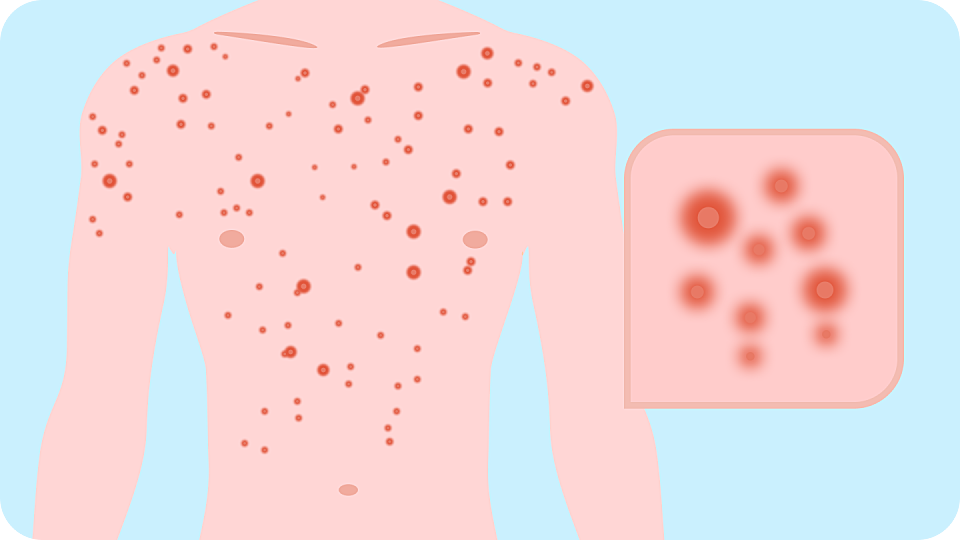
An acute rash tends to happen in the first few weeks of infection, typically a few days after experiencing flu-like symptoms (although not everyone gets this).
Usually, initial HIV rashes are widespread and symmetrical, with red bumps or flat patches that may appear purple, brown, or black on darker skin. Sometimes pus-filled spots or ulcers are also present.
HIV medication rashes
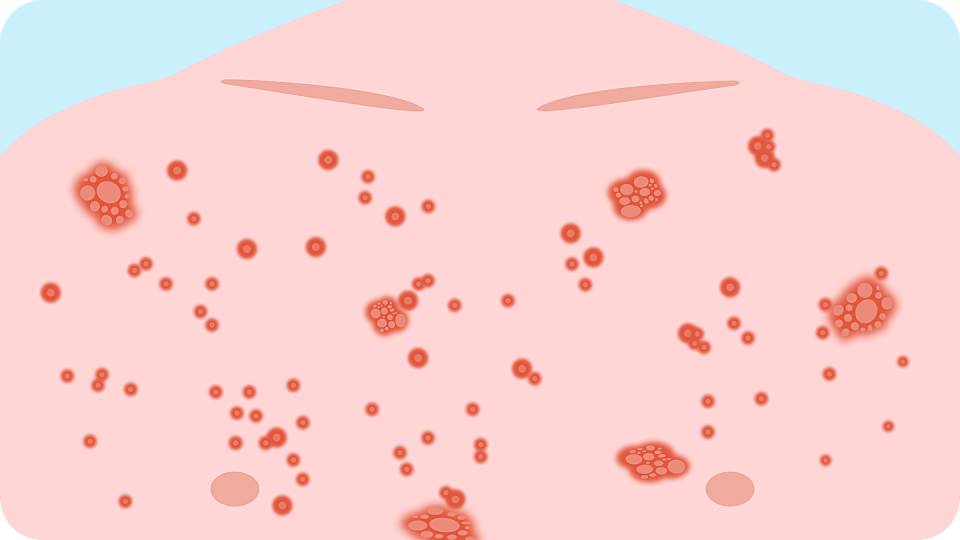
HIV rashes caused by antiretroviral medication tend to appear soon after starting treatment. These rashes can be pink, red, or purple, depending on which medication is responsible. They may appear as flat patches or with raised bumps and can progress to blister or peel.
Sometimes, HIV medication rashes also come with other symptoms like tiredness, fever, or joint pain. If a rash appears soon after taking a new medication alongside breathing difficulties, dizziness, confusion, or airway swelling, call 999 or get someone to take you to A&E as it may be due to an allergic reaction.
Advanced HIV rashes
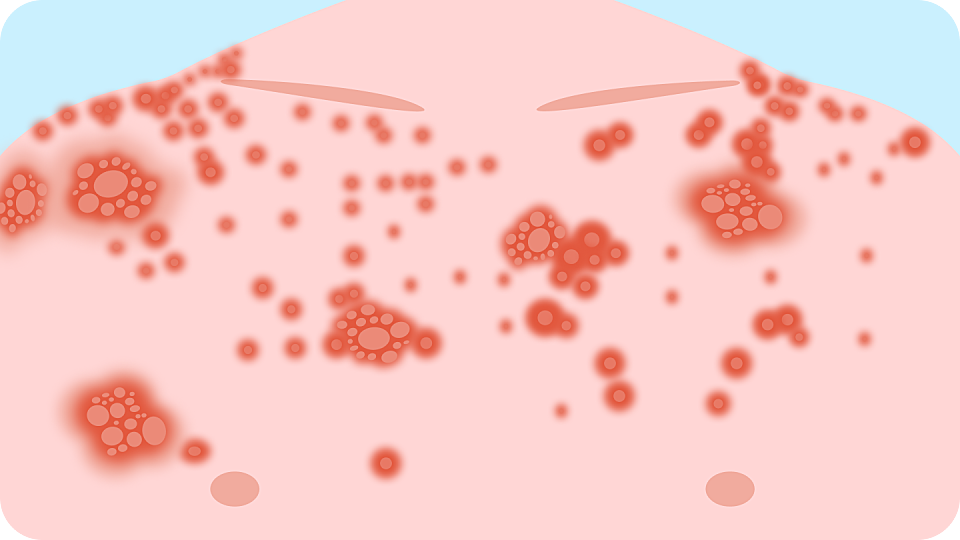
If HIV progresses and damages the immune system, there’s an increased risk of infection from viruses, bacteria, and fungi, and of developing certain cancers. Inflammation in the body is often also increased, leading to skin conditions like dermatitis, eczema, and psoriasis.
As all of these things can cause rashes and skin problems with some overlap of symptoms, it’s important to see a doctor so they’re able to diagnose the cause and treat it.
What does a HIV rash feel like?
A HIV rash may feel itchy, painful, tender, or may make your skin feel more sensitive to the touch. Your skin will also feel sore if ulcers or blisters appear. You’re also more likely to feel pain or discomfort if the rash is widespread across the body.
Severe HIV medication rashes, where skin becomes red and peels off, can be very painful – this condition is known as Stevens-Johnson syndrome. Although it’s rare, this is a medical emergency and must be treated in hospital.
HIV rashes that occur due to a weak immune system can vary a lot in how they look and feel, which is why it’s important to seek medical advice. This is even more important if you have other symptoms alongside your rash.
Common locations of HIV rashes
The initial, acute HIV rash tends to be focused on the torso, which includes the:
- shoulders
- chest
- abdomen
- back
- bottom
In some cases, it can also be found on the face, arms, scalp, hands, feet, or thighs.
The sizes and locations of HIV rashes vary from person to person. They may be localised to one area or more widespread across the body. It’s not possible to say that a HIV rash happens in just one area, as there are so many different types, and people react differently.
How to manage HIV rash symptoms
If you’re worried you may have a rash caused by HIV, it’s always best to visit a doctor for medical advice. They’ll be able to review any other symptoms you’re having, medicines you’re taking, and offer advice on how to deal with the rash (including any medications that may help).
After visiting your doctor, there are a few things you can do at home alongside treatment to make yourself more comfortable, such as:
- avoiding hot showers and scented products, as this may irritate your skin
- taking shorter, cooler showers using unscented products designed for sensitive skin, or even just water
- wearing cool, breathable clothing to avoid irritating your skin
- using a humidifier to keep skin hydrated
- applying topical emollients to alleviate itching and discomfort, but make sure you check that they’re safe to use if your skin is broken or damaged
Never stop taking your HIV medications without consulting a doctor, as this can cause the virus to become resistant and to replicate. It’s also best to discuss over-the-counter medications like antihistamines and hydrocortisone creams with your doctor before taking them.
When to seek medical advice for a HIV rash
If you notice a rash that sounds similar to the symptoms of a HIV rash, that does not necessarily mean you have been infected with HIV. A HIV rash shares lots of similarities with other rashes, many of which are much more common.
However, if you think you may have been exposed to HIV, it’s always best to get tested. Learn more in our guide on when to get tested for HIV.
An unexplained rash that is not responding to self-care is best checked out by your GP - especially if it’s accompanied by a fever or other symptoms. If it’s severely painful, you’re struggling to breathe, or you’re becoming confused, seek urgent medical attention at A&E or call 999.
If you already have HIV, a new or worsening rash could be a sign that your condition is not well managed, and it’s important to speak to your doctor to get things under control.

After completing her first degree, she went on to study graduate-entry medicine at Warwick University. After graduating as a doctor, she worked within the West Midlands in Urology, Respiratory Medicine, Infectious Disease, and Psychiatry before transitioning into a full-time medical communications role.
Meet our doctorsLast reviewed: 15 Jun 2025
-
HIV and AIDS Symptoms, NHS [Accessed 22 May 2025]
-
HIV and skin disorders, Patient.info [Accessed 22 May 2025]
-
HIV and Rash, HIV Info [Accessed 22 May 2025]
-
HIV and Aids Treatment, NHS [Accessed 22 May 2025]
-
Skin conditions relating to hiv infection, Dermnet [Accessed 22 May 2025]
ZAVA offers a convenient and discreet service to test for sexually transmitted infections. You will receive your test kit by post. Follow the instructions provided with the test kit and collect a sample (depending on the test kit this could be a blood, saliva, urine sample or genital swab). The test kit comes with an envelope, ready to send to our partner laboratory which will analyse your sample. Once your result has come back, you will be able to view it in your secure ZAVA account. We will never send medical or personal information via email.










 Secure payment


