Period pain tablets
Request period pain tablets to relieve painful menstrual symptoms, such as cramping and reduce inflammation.
Prices from £19.95
Simply fill in a brief consultation questionnaire and one of our doctors will review your request today.
Get fast, effective relief from period pain:
- Stop painful periods quickly.
- No face-to-face appointment required.
- Medication delivered discreetly to your door.
Period pain, also known as dysmenorrhoea, is very common and affects many people during their menstrual cycle. It can range from mild cramps to more intense discomfort, but there are ways to manage it. Over-the-counter treatments can work for some people, but if you need stronger pain relief, prescription period pain tablets can help.
At ZAVA, we can prescribe mefenamic acid for period pain relief. Mefenamic acid can be used during a heavy, painful period up to 3 times a day to reduce symptoms like pain, bleeding, and inflammation. It can completely stop period pain for 89% of people who take it.
Period pain treatment
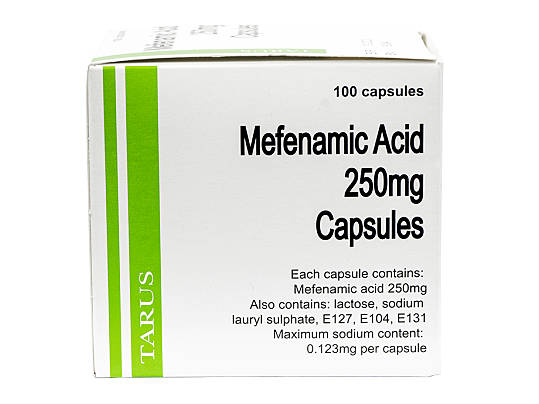
In stock. Prices from £19.95

No results found.
Please check your spelling or try another treatment name.

-
-
Period pain refers to cramping or discomfort that happens before or during your menstrual period. It is very common. The pain usually begins in the lower abdomen but may spread to the back or thighs. It can feel sharp or dull. For most people, period pain lasts up to 3 days. It may affect your ability to carry out daily activities.
Period pain happens when the muscles in the womb tighten to help shed the womb lining. It is often a normal part of the menstrual cycle. However, some conditions can make period pain worse.
These include:
- endometriosis or adenomyosis (when womb tissue grows in other areas)
- fibroids (growths in or around the womb)
- pelvic inflammatory disease (an infection of the womb and surrounding areas)
- the use of an intrauterine device (IUD), especially within the first 6 months
Symptoms often include:
- pain in your lower abdomen before or during your period
- cramps that spread to your lower back or thighs
- a dull ache or sharp pain in the abdomen
Period pain is not always a cause for concern. But in some cases, it can point to an underlying condition.
-
-
Most people experience some level of pain or cramping before or during their period. You may need period pain tablets if the pain starts to affect your daily life or regular activities.
Common signs that period pain might need treatment include:
- cramping in your lower abdomen before or during your period that disrupts daily life
- pain that spreads to your back or upper thighs
- a dull ache or sharp, stabbing pain in the abdomen
- pain that lasts for several days each month
- discomfort that makes it hard to concentrate or sleep
Over-the-counter painkillers and exercise may help ease the pain. Some people also find that hormonal contraception helps reduce symptoms. If your pain is severe or keeps getting worse, prescription period pain tablets like mefenamic acid can help during your periods.
You should also speak to a doctor to check for conditions that could be causing these symptoms, as you may need further investigations or to see a specialist called a gynaecologist.
-
-
Period pain tablets such as mefenamic acid are anti-inflammatory medications. They reduce inflammation and also work by reducing prostaglandins, which trigger cramping. By lowering these levels, the tablets help relieve pain in the womb.
Hormonal contraceptives, such as the pill, implant or injection, also help. They thin the womb lining, which can make periods lighter and less painful.
How effective are period pain tablets?
Mefenamic acid, a prescription-only period pain tablet, is the most effective for treating pain and heavy bleeding compared to over-the-counter anti-inflammatories. In a review of several studies, mefenamic acid completely stopped period pain in 89% of women. It was also to reduce bleeding by up to 55%, as well as reduce symptoms like headache, nausea, vomiting, and depression.
Research shows that over-the-counter NSAIDs reduce severe pain in 49% of people, compared to 18% of people taking a placebo.
How long does it take for period pain tablets to work?
Period pain tablets usually start working within 1 hour of taking them. For the best results, take them at the first sign of period pain.
Can period pain come back after treatment?
Yes. Period pain can return once the effect of the treatment wears off. For the most effective pain relief, take your tablets as soon as you notice the first signs of a period and keep taking them until your period is over, up to 3 times a day. You must not take mefenamic acid for more than 7 days.
In some cases, underlying conditions like endometriosis may cause ongoing pain. If symptoms return or get worse, you should speak to a doctor for further advice.
-
-
There are several tablets used that can provide period pain relief. These include anti-inflammatory medicines and other pain relief options.
Mefenamic acid
Mefenamic acid is a prescription-only NSAID that helps ease pain and heavy bleeding. It reduces inflammation to help treat pain and is often used when over-the-counter treatments are not effective. It usually starts working within 1 hour, and 500mg can be taken up to 3 times a day, for no longer than 1 week.
What’s the best treatment for period pain?
Over-the-counter anti-inflammatory tablets, like ibuprofen or naproxen, can sometimes help with period pain. However, if these are not enough to manage your symptoms, mefenamic acid might be a better treatment option for you. It works for heavy, painful periods and is prescription-only. Unlike over-the-counter treatment, it helps reduce both pain and bleeding. You should not take another NSAID at the same time as mefenamic acid.
Mefenamic acid helps to treat period pain when it happens. You can also use medication to prevent period pain. For example, hormonal contraception can help, especially if pain is linked to heavy or irregular periods. You can skip periods if you take certain types of contraception, such as the combined pill. A doctor can help you decide which treatment is most suitable based on your individual needs.
-
-
General painkillers for period pain are available from most pharmacies, both in person and online. Prescription period pain tablets, designed specifically for heavy and painful periods, require you to speak to a doctor, either in-person or online. ZAVA can prescribe period pain relief with a short, online consultation.
Can I buy period pain tablets online?
Yes. You can buy period pain relief tablets online from licensed providers like ZAVA.
You can request mefenamic acid for period pain from ZAVA quickly, easily, and confidentially without the need for a face-to-face consultation by:
- Completing a short online health questionnaire.
- One of our doctors will review your responses to decide if your treatment request is suitable for you.
- If approved, your medication will be sent to your home address in plain, discreet packaging.
Can I get period pain tablets over the counter?
Yes. Medications, like ibuprofen and paracetamol, can be bought over the counter at most pharmacies and supermarkets. Stronger anti-inflammatory tablets require a prescription.
Can I get period pain tablets on the NHS?
Yes. If your period pain is severe or does not improve with over-the-counter options, a GP may prescribe stronger tablets or hormonal treatments through the NHS. However, you will need to make an appointment with your GP to find out what is available and safe for you.
-
-
Like all medications, period pain tablets can cause side effects, but not everyone will get them. Side effects will vary depending on the type of medication you take.
Common side effects (mainly with NSAIDs) include:
- stomach pain or indigestion
- feeling sick (nausea)
- heartburn
- headache
Uncommon side effects:
- dizziness
- bloating or wind
- skin rash
These may occur with NSAIDs and, less commonly, with paracetamol or hormonal methods.
Rare side effects:
- kidney problems
- allergic reactions (swelling, rash, difficulty breathing)
- stomach ulcers or bleeding
Rare effects are more likely with long-term or high-dose NSAID use.
How long do these side effects last?
Most side effects are mild and short-lived. Taking your medication with food may help to reduce stomach-related symptoms.
What to do if you get side effects
Most mild side effects can be managed at home by:
- getting plenty of rest until the symptoms ease or go away
- drinking plenty of water to stay hydrated
- eating smaller, more frequent meals
- avoiding spicy or greasy foods
- speaking to your pharmacist about antacids for heartburn relief
If you get side effects that do not go away, or if you have any serious symptoms, stop taking the medicine and speak to a doctor straight away.
-
-
Most adults and teenagers over 15 can take period pain tablets. However, these treatments are not suitable for everyone. Certain medical conditions or medications may make them less effective or unsafe.
You should speak to a doctor or pharmacist before taking period pain tablets if you:
- are under 15 years old (you can only get a prescription at ZAVA if you are 18 or over)
- are pregnant, trying to get pregnant, or are breastfeeding
- have had an allergic reaction to NSAIDs before
- have a history of stomach ulcers or bleeding in the gut
- have high blood pressure or heart problems
- have liver or kidney disease
- have Crohn’s disease or ulcerative colitis
- have lupus
- have a blood-clotting disorder
Always check the patient information leaflet and speak to a healthcare professional if you are unsure whether a treatment is safe for you.

Crystal qualified in Medicine at Barts and the London School of Medicine and Dentistry in 2010. She then trained as a GP in London hospitals and practices. She has a particular interest in reproductive, sexual and women’s health.
Meet our doctorsLast reviewed: 29 Apr 2026
-
Comparison of Misoprostol and Mefenamic Acid on Reducing Menstrual Bleeding in Patients Suffering From Heavy Menstrual Bleeding, Journal of Family & Reproductive Health [accessed 19 March 2026]
-
How contraception affects periods, NHS [accessed 19 March 2026]
-
Ibuprofen 200mg Coated Tablets (PIL), emc [accessed 19 March 2026]
-
Mefenamic Acid 500 mg Tablets (PIL), emc [accessed 19 March 2026]
-
Period pain, NHS [accessed 19 March 2026]
Get period pain treatment online




 Secure payment


