Melatonin tablets
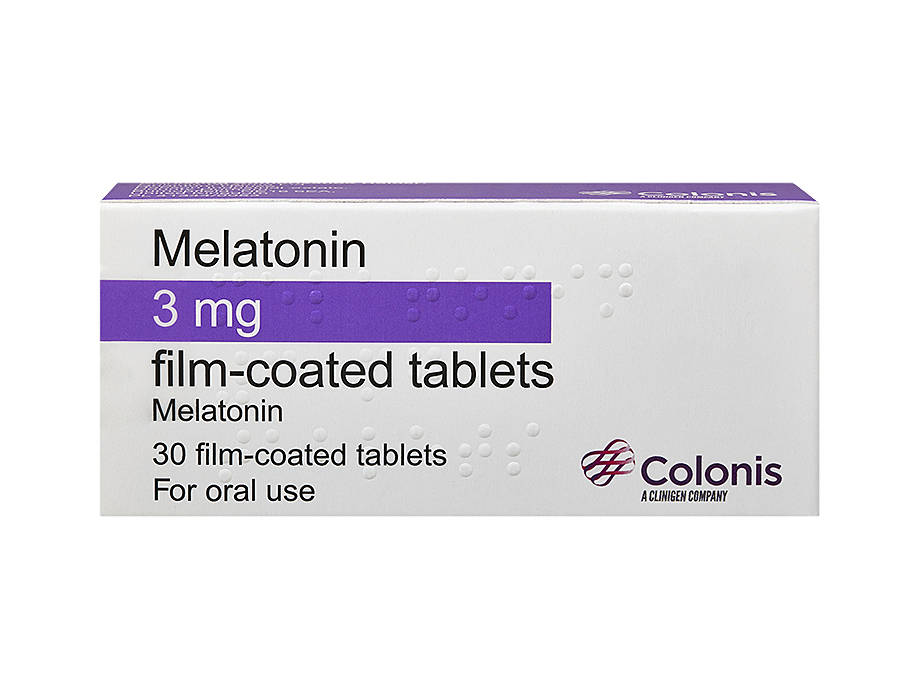
Melatonin tablets relieve the symptoms of jet lag and chronic insomnia, like fatigue and disrupted sleep.






Prices from £16.49
In stock. Simply fill in a brief consultation questionnaire and one of our doctors will review your request today.
-
Melatonin tablets are used to treat the symptoms of jet lag and chronic insomnia. They contain the active ingredient melatonin, a hormone found naturally in your body.
Melatonin is in your blood whether you’re asleep or awake. The amount of melatonin in your blood will go up and down throughout the day. For example, melatonin levels are low during the daytime, but will increase when it gets dark, making you feel tired and ready for sleep.
Prices
10 tablet(s) / 3 mg - £16.49
20 tablet(s) / 3 mg - £21.99
Melatonin PR (Insomnia treatment) - £16.99



About melatonin
-
-
-
When you go on a long-haul flight, you will cross different time zones and your normal sleep cycle will get interrupted. This means that it will get dark at a different time to when your body is expecting, and the changes to your melatonin levels will be delayed.
Common symptoms of jet lag include:
- fatigue
- sleep disruption
- daytime tiredness
- irritability
- problems with concentration and memory
Your body will eventually adjust, but until then, melatonin tablets will boost your melatonin levels and help you sleep at the right time.
-
-
Primary insomnia means you have trouble sleeping properly but there isn’t an obvious cause. Insomnia treatment using melatonin tablets can slowly top up your melatonin levels during the night, and help encourage normal sleep. Melatonin levels slowly drop as we get older, which can make it more difficult to fall and stay asleep. For this reason, people over the age of 55 are more likely to require help sleeping with melatonin tablets. Insomnia can also be “secondary” to other causes such as stress, pain or illness. With secondary insomnia treating the underlying cause is important, as well as considering short term insomnia treatments like melatonin.
-
-
Melatonin is used to help manage the chemical pathways in your body responsible for you going to sleep and staying asleep. Your melatonin levels naturally change during the day, increasing when it’s time to sleep at night.
If you have jet lag, your melatonin levels may still match the time zone you left recently. So, they may be low at night, preventing you from sleeping, or high during the day, making you feel tired when you’re awake. Melatonin tablets can help reset this pattern, helping you sleep at night and feel more awake during the day.
If you have insomnia, it might be that your melatonin levels are low at night, but that’s not always the case. Still, whether you have low melatonin or not, melatonin tablets can still help encourage your body to get to sleep and stay asleep at night – something insomnia can make difficult.
-
-
Melatonin peaks last for about 4 hours after taking a tablet, though some people feel the effects for longer than this. This is the time it takes for the amount of melatonin in your system to return to near normal after taking your tablets.
-
-
It takes around 30 to 60 minutes for melatonin tablets to be fully absorbed into your body, longer if taken with food. It’s around this time that the levels of melatonin in your body will be at their highest.
-
-
A study of over 1,800 people showed 56.6% of users found melatonin to be an effective treatment. Another study of over 1,600 people using melatonin tablets found they got to sleep around 7 minutes faster on average and slept for over 8 mins longer on average.
-
-
You’ll need to take your melatonin up to 2 hours before you want to go to bed – ideally around 45 minutes beforehand. You should not eat food for 2 hours before or after taking your tablets. You should swallow the tablet whole, and not crush or chew it.
You should also avoid drinking alcohol when taking melatonin, because that can make it less effective and can increase the risk of potential side effects.
You shouldn’t feel any withdrawal symptoms or issues sleeping after you stop using melatonin tablets when using these short term.
-
-
- take one to two 3mg tablets on the first night in your new destination
- continue to take one or two tablets per night if you think you’ll have trouble sleeping, for a maximum of 5 nights
-
-
- the normal starting dose is a single 2mg slow-release tablet
- take it 1 to 2 hours before bed and after food
- tablets must be swallowed whole
-
-
The dosage of melatonin you are prescribed will depend on whether you’re taking it for jet lag or insomnia. For jetlag, you’ll be prescribed 3 to 6mg a night for a maximum of 5 nights. For insomnia, you’ll be prescribed 2mg prolonged release to be taken each night for a maximum of 13 weeks.
The advantage of starting with lower doses of melatonin is that your body can get used to your medication and it comes with a lower risk of side effects. Higher doses can improve the effect of your treatment, for example if lower doses aren’t enough to improve your jet lag. The downside is you’re more likely to get side effects with higher doses.
For jetlag, you can choose whether to take 1 or 2 tablets, which means either 3 or 6mg. You can see which dose works best for you based on how much your sleep is improved and whether you can tolerate 6mg or not.
For insomnia, you should only take the dose you’re prescribed.
For jet lag Insomnia Starting dose 3 to 6mg
2mg PR
Maximum daily dose 6mg
2mg PR
-
-
You can get a prescription for melatonin tablets from your local GP or request treatment online from online doctor services like ZAVA.
Can I buy melatonin online?
You can request melatonin treatment online from services like ZAVA. Simply:
- Fill out a short consultation questionnaire.
- Select the treatment you want to request.
- Log in or create an account.
- Submit payment details.
- A doctor will then review your request. If it’s right for you, your treatment can be sent to your door or to a local Post Office for collection.
- If your request is not approved, payment will not be taken and a doctor will message your account with advice on next steps.
Can I buy melatonin over the counter?
No. In the UK, melatonin tablets are a prescription-only treatment. You will need to get approval from a doctor before you can get your medication.
Can I get melatonin on the NHS?
Yes, melatonin can be prescribed on the NHS by your GP in some cases, mainly for short-term insomnia in people aged 55 and over. It’s also sometimes prescribed by a specialist for longer-term sleep problems in people under 55, but not by a GP, so you would need a referral first. You cannot get melatonin for jet lag on the NHS.
-
-
Melatonin is normally well-tolerated, which means it often does not cause side effects.
Uncommon side effects (may affect up to 1 in 100 people) include:
- mood changes like restlessness, nervousness, and irritability
- headaches
- migraine
- insomnia
- dizziness
- feeling weak
- tiredness
- high blood pressure
- mouth ulcers
- abdominal pain
- night sweats
- pain in the extremities
- abnormal liver function
- weight gain
- skin problems
- indigestion
- changes in blood composition
- abnormal dreams, nightmares
- anxiety
- restlessness associated with increased activity
- dry mouth
- nausea (feeling sick)
- inflammation of the skin
- itching, rash, dry skin
- menopausal symptoms
- glucose (sugar) in the urine, excess proteins in the urine
Rare side effects (may affect up to 1 in 1000 people) include:
- shingles
- high level of fatty molecules in the blood
- low serum calcium levels in the blood, low sodium levels in the blood
- altered mood, such as aggression, agitation, crying, stress symptoms
- early morning awakening
- increased sex drive (libido)
- depressed mood
- memory impairment
- disturbance in attention, dreamy state
- restless legs syndrome
- poor quality sleep
- ‘pins and needles’ feeling
- watery eyes
- dizziness when standing or sitting
- hot flushes
- acid reflux, stomach disorder
- blistering in the mouth, tongue ulceration
- stomach upset
- vomiting (being sick)
- abnormal bowel sounds, wind
- excess saliva production, bad breath
- abdominal discomfort, gastric disorder, inflammation of the stomach lining
- eczema, skin rash, hand dermatitis, itchy rash, nail disorder
- arthritis
- muscle spasms
- neck pain
- night cramps
- prolonged erection that might be painful
- inflammation of the prostate gland
- tiredness
- pain
- thirst
- passing large volumes of urine, urinating during the night
- increased liver enzyme
- abnormal blood electrolytes and abnormal laboratory tests.
Frequency of side effects not known (cannot be established from the available data) includes:
- hypersensitivity reaction, swelling of the mouth or tongue, swelling of the skin
- abnormal milk secretion
If you get any of the following side effects while taking melatonin, you should get medical attention as soon as possible by speaking to your GP or calling 999 in an emergency:
- chest pain or severe chest pain due to angina
- a severe allergic reaction (medical emergency), with symptoms such as swelling of the face and mouth and difficulty breathing
- palpitations (an irregular heartbeat)
- Depression
- yellowing of your skin or eyes
- visual disturbances
- vertigo (feeling dizzy or like you are spinning)
- feeling disorientated
- increased bleeding or bruising
- new rashes
- presence of blood in your urine
- repeated sore throats or infections
For a full list of side effects, also read the patient information leaflet contained with your medication.
-
-
Melatonin tablets are for people who have short-term insomnia, or for anyone who’s travelling across time zones and may get jet lag.
Who can take melatonin?
You should not take melatonin tablets if you:
- are allergic to melatonin or any other ingredients found within
- have an autoimmune disease
- have a rare hereditary condition, such as galactose intolerance, total lactase deficiency, or glucose-galactose malabsorption – this is because melatonin can contains lactose
- are under 18
- are over 75
- have severe liver impairment
- are pregnant or breastfeeding
- Epilepsy
- have kidney problems
Do not drink alcohol while taking melatonin, because it reduces its effectiveness.
Before you start taking melatonin, you should tell your doctor if you:
- have kidney or liver problems
- are intolerant to some sugars, like lactose
- drive or use machinery, because melatonin can make you feel drowsy
- smoke, because smoking can make this medication less effective
Melatonin and other medications
Tell your doctor if you are taking any other medications, especially:
- fluvoxamine, used for depression and obsessive-compulsive disorder – you should not take melatonin with this medication
- psoralens, used to treat skin disorders like psoriasis
- cimetidine, used for stomach problems such as ulcers
- quinolones and rifampicin, used for bacterial infections
- oestrogens, such as contraceptives or hormone replacement therapy
- carbamazepine, used to treat epilepsy
- adrenergic agonists/antagonists, which are types of medications used to manage blood pressure
- opiate agonists/antagonists, used for the treatment of drug addiction
- prostaglandin inhibitors, such as nonsteroidal anti-inflammatory medicines like ibuprofen
- antidepressant medication, including imipramine
- tryptophan
- benzodiazepines and non-benzodiazepine hypnotics, used for sleep, such as zaleplon
- thioridazine, used to treat schizophrenia
-
-
At ZAVA, we also prescribe Quviviq for insomnia, but we do not have any other jet lag treatments available. This is because melatonin is the main treatment for jet lag, aside from lifestyle changes.
Alternatives for insomnia
Melatonin and Quviviq are the treatments prescribed for insomnia at ZAVA. In some cases, you may be able to get ‘sleeping tablets’, which are medications that can make you drowsy to fall asleep. These are known as sedatives and are not recommended for longer than a few days because they can be highly addictive. ZAVA does not prescribe these, and the NHS also does not recommend these types of tablets.
Melatonin vs Quviviq
Melatonin is a short-term insomnia treatment, while Quviviq is a more long-term treatment. If Quviviq works well for you after 3 months of taking it, it can be taken for up to a year. Melatonin is usually prescribed for a few weeks, up to 13 weeks maximum. Melatonin tablets contain a natural hormone that is produced in higher amounts by your body when it’s time for bed, and this helps you to get sleepy. When you take it before going to sleep, it can help you fall and stay asleep for longer.
Quviviq contains the active ingredient daridorexant, known as a dual orexin receptor antagonist. This means it blocks orexin, a chemical produced by the brain that helps to keep you awake. Reducing the amount of orexin in your brain can help regulate your sleep-wake cycle, which helps you to fall and stay asleep for longer. Melatonin was found to be effective in 56.5% of users, while Quviviq was found to be 53% effective, making them very similar in terms of effectiveness.
Which is better for you will depend on what your symptoms are and how long you have had insomnia. Your doctor can help you find the right insomnia treatment.
Cognitive behavioural therapy for insomnia (CBT-I)
The main treatment for insomnia is CBT-I, a type of structured, session-based talking therapy. This may be a good treatment option for you if your insomnia is caused by:
- prolonged stress
- grief
- anxiety
- phobias
- depression
- post traumatic stress disorder (PTSD)
It may still be useful if your insomnia is caused by a physical condition, as it can help you improve your sleep behaviours and work on any worries and anxieties around sleeping. You can access CBT-I privately, or by speaking to your GP, who can refer you. Treatment like melatonin or Quviviq can be used as a solution alongside CBT-I, or while you’re waiting for your appointment.
Alternatives for jet lag
Melatonin is the main medication used for jet lag. Aside from this, lifestyle changes or preventive measures are recommended, such as:
- staying hydrated during your flight by drinking plenty of water and avoiding alcohol and caffeine
- moving and stretching regularly during your flight, including getting up and walking around when you can
- trying to sleep during your flight if it’s nighttime at your destination
- using sleep aids to help you sleep on the plane, such as earplugs or an eye mask
Once you get to your destination, you can also help improve jet lag by:
- following your new time zone as quickly as possible, and avoiding sleeping or napping during the day
- using an alarm to wake up at your usual time in your new time zone, so you do not oversleep
- going outside in the day, so that you are exposed to natural light – this can help regulate your natural sleep-wake cycle
-
Frequently asked questions
Is melatonin legal in the UK?
Yes, melatonin is legal in the UK and can be prescribed for jet lag and insomnia. It can only be used short-term and should not be taken long-term to treat either condition. It is only legal as a prescription medication, so if a website is selling it without one, this would be illegal.
Is melatonin safe?
Yes, melatonin is a safe medication when prescribed by a doctor. However, it’s only meant to be taken short-term. If you still need help with jet lag or insomnia, you should speak to your doctor.
Is melatonin a sleeping pill?
No. Sleeping pills usually refer to medications that make you drowsy to fall asleep, called sedatives. Melatonin works in a different way to help you fall asleep, so it does not fall under the ‘sleeping pill’ category. However, it’s still an effective medication if you get jet lag, or have insomnia and need a short-term solution to help regulate your sleep.
Can you take melatonin every night?
You take melatonin every night, but only for a maximum of 5 nights for jet lag, or 13 weeks for insomnia. You cannot take melatonin every night long-term, but other medications can be taken for longer if you still need help with sleeping, such as Quviviq for insomnia. Jet lag should get better within a few days, but if you keep having difficulty sleeping after this, you may have short-term insomnia.
Does melatonin help with anxiety?
In studies, melatonin was found to help with anxiety before and after an operation, but it has not been studied in general use for anxiety and is not available for this in the UK. As sleeping problems can cause or make anxiety worse, you may find that if melatonin helps you sleep better, this helps with your anxiety. However, this is caused by better sleep rather than melatonin itself.
Can you take melatonin with sertraline?
Yes, melatonin and sertraline can be taken together, but it’s important to tell your doctor if you take any medications or have any medical conditions before taking melatonin. Both melatonin and sertraline can have a sedative effect, which might cause the side effect of drowsiness and make it unsafe to drive or operate machinery.

Dr Clair Grainger studied at The University of Edinburgh from 2004 to 2009. She's worked in hospitals throughout Edinburgh and London before completing her GP training in North Middlesex Hospital in 2017.
Meet our doctorsLast reviewed: 03 Mar 2026
-
Clinical pharmacokinetics of melatonin: a systematic review, European Journal of Clinical Pharmacology [accessed 03 March 2026]
-
Evaluating the Efficacy of Melatonin in Managing Sleep Disorders amongst Adults in Saudi Arabia: A Cross-sectional Study, Journal of Advanced Trends in Medical Research [accessed 03 March 2026]
-
How and when to take melatonin, NHS [accessed 03 March 2026]
-
Melatonin as a Potential Approach to Anxiety Treatment, International Journal of Molecular Sciences [accessed 03 March 2026]
-
Meta-analysis: melatonin for the treatment of primary sleep disorders, Public Library of Science One [accessed 03 March 2026]





In stock. Prices from £16.49
 Secure payment


