Chlamydia test kit
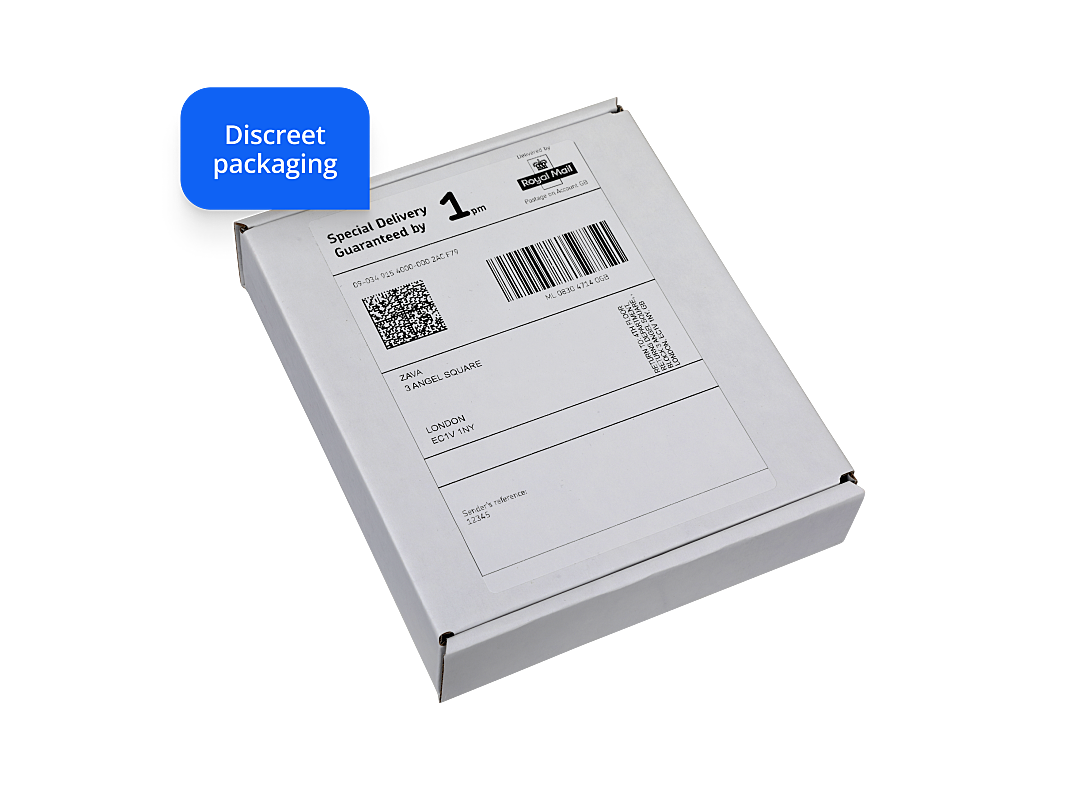
Order a chlamydia test kit so you can check whether you have chlamydia from the comfort of your own home. Our test kits arrive in discreet packaging and are available with free next day delivery.




-
ZAVA home chlamydia tests are a safe and convenient way to take a test sample for the sexually transmitted infection (STI) chlamydia, straight from the comfort of your home.
Chlamydia is one of the most common STIs in the UK. It is passed on through unprotected sex or sexual contact. Most people with chlamydia do not notice symptoms, so if you’re concerned you might have it, a home chlamydia test can help you detect it and get one step closer to treating it fast.
Chlamydia can be treated with a short course of antibiotics, which we can prescribe if needed.
With ZAVA, your test will be processed by our partner lab, with results available within as little as 2 to 3 days of your sample reaching our labs. Your sample may be in the form of a:
- urine test
- swab test
About chlamydia tests
-
-
A home chlamydia test kit is a simple, fast way to collect a urine or vaginal swab sample at home. The sample is then sent to a laboratory to be analysed before results are released to you through your private patient account, so you can get treatment, or be notified that you are all clear.
Chlamydia is incredibly common and often symptomless, meaning if you have had unprotected sex, you might have it and not know you do.
If you are sexually active, home chlamydia tests are an accessible, fast solution to ensure both your own safety and the safety of your sexual partners.
Taking a test sample at home if you think you have been at risk of getting chlamydia, even if you might not have it, can minimise the complications it can cause.
-
-
Chlamydia is a very common and often symptomless sexually transmitted infection (STI).
You should get tested for chlamydia if:
- you have had unprotected sex
- you have experienced symptoms of chlamydia
- your sexual partner tells you they have an STI
- you’re at risk of getting chlamydia
You’re most at risk for chlamydia if you:
- are sexually active and between 15 to 24 years old
- have multiple casual sexual partners
- are a man who has sex with men
Young people are reported to have the highest diagnosis rates of common STIs like chlamydia, particularly young women between age 15 to 24 who have older male sexual partners.
Why should I get tested for chlamydia?
If left untreated, chlamydia can cause long-term health complications, and it is especially dangerous for pregnant women and can cause infertility.
So, if you have had unprotected sex and are worried you might have caught chlamydia, it is best to get a test and check. Getting tested for chlamydia you can keep both you and your sexual partners safe.
-
-
You should get tested for chlamydia 2 weeks after unprotected sex. Often, the infection is not found in early tests.
Testing too early for chlamydia can lead to inaccurate results, and it is likely you may need to take another test at a later date.
We recommend getting tested at least once a year for chlamydia. If you have multiple casual sexual partners we recommend getting tested around every 3 to 6 months.
-
-
How to use a urine sample chlamydia test
If you are providing a urine sample, in your kit you should receive a large bottle and a small bottle.
- For best accuracy, wait at least 1 hour before urinating for your test.
- Use the small bottle to collect your sample of urine, filling the bottle up at least halfway.
- Secure the lid of the small bottle tight and place it into the larger bottle.
- Add the label complete with your details onto the sample bottle.
- Send your test kit back to be processed with the box provided with your kit, following the instructions to deliver it to the lab for testing.
You should try to collect urine that comes out first – if you have chlamydia it contains the most amount of bacteria and will give a more accurate result.
How to use a vaginal swab chlamydia test
If you are using the vaginal swab test to provide your sample, you should:
- Wash your hands, open up your test kit box and follow the instructions.
- Break the seal of the swab (without touching the tip of the swab).
- Use one hand to spread the skin outside your vagina, and the other hand to locate the swab towards your vaginal opening.
- Insert the tip of the swab in the vagina but do not insert it too deeply, follow the instructions provided with your test kit as to how far to place the swab.
- Rotate the swab inside the vagina for 10 to 15 seconds.
- Take it out without touching other parts of your skin.
- Place the swab inside the tube provided and secure it.
- Attach the label with your details on it, so the lab knows who it belongs to and so you can get your results.
Ensure you follow the instructions provided with your test kit for the most accurate result.
-
-
If you follow the instructions of the test, it is 90 to 95% accurate.
To make sure your results are most accurate, you should wait at least 14 days (2 weeks) after exposure before doing your chlamydia test, whether you are doing a urine sample or a swab test.
Clinical studies have reported chlamydia home testing is just as accurate as testing done by a healthcare professional so long as you follow the steps on your test kit.
-
-
You should expect your results in just 2 to 3 working days after the lab receives your sample. This is how long our partner lab takes to process your sample.
To make sure you receive your results fast, it may be useful to check your local Royal Mail website for information on what day and time you should post your sample. Take your sample just before you post it.
Once your sample has been processed, you will receive your results through your patient account. We will send you an email to log in and view them once they are ready.
At ZAVA we value patient privacy: we will never send you confidential information such as a test result via email or text message.
-
-
When your results come back they will come back with either ‘positive’ or ‘negative’. One of our doctors will get in touch with you via a message on your patient account to tell you more about what they mean and what the next steps are.
What does a negative chlamydia test result mean?
A negative chlamydia test result means that you are not infected with chlamydia at the time of testing. In this case, you will not need follow-up tests or treatment.
We recommend that, although you may have had a negative test, in the future you continue to get tested regularly to keep yourself and sexual partners safe.
What does a positive chlamydia test result mean?
If you receive a positive result for chlamydia, it means you are infected with chlamydia and require treatment.
ZAVA can offer treatment for chlamydia through our chlamydia treatment service. It is likely your doctor will prescribe you with doxycycline. Your ZAVA doctor should inform you on next treatment steps via message on your patient account.
You can also get treatment for chlamydia on the NHS by speaking with your GP or a sexual health clinic, however, this usually requires a face-to-face appointment.
If you receive a positive result, we recommend that you:
- avoid having sex until your course of treatment is complete
- inform your sexual partners
If you’re worried about speaking to your sexual partners, a sexual health clinic may be able to send an anonymous text on your behalf.
-
-
Chlamydia is a sexually transmitted infection (STI). It is one of the most common sexually transmitted infections (STIs) in the UK and is caused by the bacteria chlamydia trachomatis.
Chlamydia is passed on from person to person through unprotected oral, vaginal or anal sex. It can also be spread by:
- sharing unwashed, uncovered sex toys
- coming into contact with infected vaginal fluid or semen (such as it getting in your eye)
- genital-on-genital contact (even if there is no penetration, orgasm or ejaculation)
Chlamydia is often symptomless, but signs you might have chlamydia include:
- unusual vaginal, penile or anal discharge
- pain when peeing
- pain and swelling in the testicles
- pain in stomach, bleeding after sex and between periods
It is important to get tested for chlamydia, as if it is left untreated there can be complications, such as:
Pregnancy complications
If you have untreated chlamydia during pregnancy, there is a likelihood that it could be passed on to your baby. Your baby might develop infections if exposed to chlamydia, or they may be at risk of a low birthweight or premature birth. You should contact your doctor, nurse or midwife if you are pregnant and think you have been exposed to chlamydia.
Pelvic inflammatory disease (PID)
Chlamydia can spread to the womb, ovaries or fallopian tubes, causing pelvic inflammatory disease. This can cause infertility, chronic pain in the pelvis, and an increased risk of ectopic pregnancy.
The symptoms of PID are similar to symptoms of chlamydia, including pain during sex and urination, or bleeding in between periods and after sex. If you are experiencing any of these symptoms and you are unsure if they are chlamydia or PID, speak with your doctor.
Inflammation of the testicles
Chlamydia can spread to the testicles and tubes that carry sperm from them (epididymis). This can cause swollen and painful testicles.
Reactive arthritis (SARA)
Chlamydia can cause reactive arthritis, which is where your joints, eyes or urethra (the tube that passes urine out of the body) become inflamed. This typically happens within the first few weeks of having chlamydia. There is currently no cure for SARA, but it often gets better within a few months and is usually treated with non-steroidal anti-inflammatory drugs like ibuprofen.
Due to how common chlamydia is, how it is often symptomless and the potential complications of the infection, it is important to test regularly. With our chlamydia home test kit, you can do this from the comfort of your own home, and get results fast so you can treat it on time.

Brenda studied medicine at St Georges University of London and has most recently worked in John Radcliffe Oxford University Hospitals, covering acute and general medicine.
Meet our doctorsLast reviewed: 27 Nov 2024
-
Sexually transmitted infections and screening for chlamydia in England: 2023 report, GOV.UK [accessed 28 October 2024]
-
Chlamydia, NHS [accessed 4 November 2024]
-
Self-testing for sexually transmitted infections increases diagnoses while reducing costs, NIHR [accessed 8 November 2024]
ZAVA offers a convenient and discreet service to test for sexually transmitted infections. You will receive your test kit by post. Follow the instructions provided with the test kit and collect a sample (depending on the test kit this could be a blood, saliva, urine sample or genital swab). The test kit comes with an envelope, ready to send to our partner laboratory which will analyse your sample. Once your result has come back, you will be able to view it in your secure ZAVA account. We will never send medical or personal information via email.




 Secure payment


