Asthma attacks: symptoms, triggers, and management

Medically reviewed by
Dr Zoe MillerLast reviewed: 26 Jan 2025
An asthma attack can be a frightening and serious event, but understanding the signs and knowing how to respond can make all the difference.
This guide will help you recognise the symptoms of an asthma attack, identify common triggers, and provide steps you can take to manage an attack. We'll also explore long-term strategies to avoid attacks, and treatment options so that you can manage asthma effectively.

Key takeaways
Early symptoms of an asthma attack include chest tightness, wheezing, shortness of breath, and persistent coughing.
Common triggers include pollen, smoke, pollution, cold air, and exercise. Identifying your triggers and avoiding them where possible is key to reducing your chance of an asthma attack.
Daily use of preventer inhalers (usually containing steroids) helps reduce airway inflammation and sensitivity, lowering the chance of attacks. Speak to your doctor if you think you need adjustments to your treatment plan.
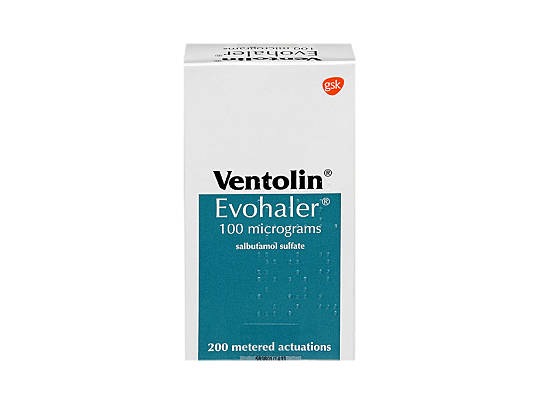
You should always carry your reliever inhaler (such as salbutamol or Ventolin) with you. It provides fast relief during an attack and can be lifesaving during a severe asthma attack.
What is an asthma attack?
An asthma attack occurs when the airways in your lungs become inflamed, swollen, and narrowed, making it difficult to breathe. This happens because the muscles around the airways tighten and excess mucus is produced, further blocking airflow. During an attack, you may get symptoms such as wheezing, chest tightness, and shortness of breath.
Unlike other conditions that affect breathing, such as bronchitis or pneumonia, an asthma attack is often triggered by specific factors like allergens, cold air, exercise, or stress. For people with asthma, these triggers cause a sudden and intense reaction in the airways, which can quickly get worse if not treated right away.
Asthma attacks can vary in severity from mild to life-threatening. Although they can be scary, they can often be managed effectively with the right preparation and treatment.
Emergency guidance: If you think you may be having an asthma attack and your reliever inhaler is not helping, or your symptoms are getting worse, you or someone else must call 999 straight away.
Symptoms of an asthma attack
Recognising the symptoms of an asthma attack early can help you respond quickly and effectively, preventing the situation from worsening. Symptoms can range from mild to severe, so it’s important to understand the differences. It’s also important to know that asthma attack symptoms can build up gradually or happen very suddenly.
Mild symptoms include:
- a feeling of tightness or narrowing in the chest
- mild shortness of breath
- a dry, persistent cough
- slight wheezing or a whistling sound when breathing
Mild asthma attack symptoms can often be improved by using a reliever inhaler.
Moderate symptoms include:
- increased difficulty breathing, making it harder to complete everyday activities
- louder or more frequent wheezing
- persistent coughing, especially at night or during exercise
- noticeable fatigue caused by reduced oxygen intake
If your asthma attack symptoms do not go away or get worse after using your reliever inhaler, contact your GP or asthma nurse for urgent advice.
Severe symptoms include:
- severe shortness of breath, even when sitting still
- inability to speak in full sentences due to difficulty breathing
- blue lips or nails (cyanosis), caused by low oxygen levels
- a rapid pulse or feeling lightheaded
- severe wheezing – you may also have no wheezing at all and this is called ‘silent chest’ which can happen when an asthma attack is extremely severe
If you or someone else is experiencing these severe symptoms, call 999 right away.
What to do during an asthma attack
Here's what to do if you or someone else is showing signs of having an asthma attack:
Step 1: Stay calm and sit upright
- Sit in an upright position to help open your airways. Avoid lying down, as this can make symptoms worse.
- Try to stay as calm as possible since stress and panic can make breathing more difficult.
Step 2: Focus on breathing techniques
- While getting your reliever inhaler ready, breathe in slowly and deeply through your nose, then out through your mouth.
- If breathing feels difficult, try the “pursed-lip” technique – breathe in normally and exhale slowly through pursed lips, like you're blowing out a candle.
Step 3: Use your reliever inhaler
- Take 1 puff of your blue reliever inhaler (usually Ventolin or salbutamol), every 30 to 60 seconds, up to a maximum of 10 puffs.
- If you have one available, use a spacer to ensure the medication can reach your lungs more effectively.
If your asthma attack stops within 10 puffs of your reliever inhaler, you can stop following these steps. Remember to inform your doctor afterwards and monitor any further changes in your asthma symptoms.
Step 4: Call 999 for emergency help
- If your inhaler is not improving your symptoms after 10 puffs, or you feel worse and get symptoms such as struggling to speak, blue lips or nails, or feeling drowsy, you or someone else must call 999 straight away.
- Stay on the line with the emergency operator if you can, and follow their instructions until help arrives.
Step 5: Wait and repeat
- Wait 10 minutes and then repeat the inhaler steps in Step 3 again, up to a maximum of 10 puffs.
- If the ambulance has not arrived after using your inhaler up to 10 times, call 999 again if you are not still on the phone with an operator.
Always follow up with your doctor
After an asthma attack, it’s important to see your GP or asthma nurse as soon as possible to review your treatment plan (within 48 hours is recommended). If you go to the hospital for treatment, a doctor or nurse at the hospital may also do this with you, however, it’s still important that your GP knows about your most recent asthma attack and any changes to your asthma plan. They may suggest revisions to your treatment plan or changes in medication to prevent any further asthma attacks.
Having an emergency plan in place and carrying your reliever inhaler at all times can help you act quickly during an asthma attack and reduce the risk of complications.
-

Step 1: Sit upright – stay in an upright position to help open your airways and try to stay calm.
-

Step 2: Breathe slowly – inhale slowly and deeply through your nose, then exhale through your mouth.
-

Step 3: Use an inhaler – take a puff of your blue reliever inhaler every 30 to 60 seconds until you reach 10 puffs. If this improves your symptoms, stop following these steps and speak to your doctor as soon as possible.
-

Step 4: Call 999 for emergency help – if your inhaler is not helping or your symptoms worsen after taking 10 puffs, call 999 straight away.
-

Step 5: Wait and repeat – after 10 minutes, repeat step 3, taking up to another 10 puffs. If emergency help has not yet arrived, call 999 again.




If you or someone else is experiencing severe wheezing, difficulty speaking in full sentences, or if symptoms do not improve after using a reliever inhaler, this could indicate a life-threatening asthma attack. Call 999 immediately and stay with the individual until emergency help arrives.
Asthma attack triggers
Asthma attacks can be triggered by everyday scenarios, such as exercising or by triggers that irritate or inflame the airways. Recognising these triggers and taking steps to manage them can reduce the risk of an attack.
Common triggers
Allergens
Pollen, dust mites, pet skin flakes, and mould can trigger attacks in people with allergic asthma. To reduce the chance of this, we recommend:
- keeping windows closed during high pollen season
- cleaning your home regularly to avoid hair and dust buildup
- using hypoallergenic bedding and vacuum cleaner if you're not already
- using an air purifier
Cold air
Breathing in cold or dry air can irritate the airways. Wearing a scarf or mask over your mouth and nose during colder weather can help reduce this irritation. If you have a dehumidifier at home, be aware of using it too regularly or being in the same room for too long.
Exercise
Physical activity can also trigger asthma symptoms, especially in cold or dry conditions. We advise warming up before exercising and carrying your reliever inhaler to minimise risks of an attack. Your doctor may recommend taking an inhaler 10 to 20 minutes before you take part in exercise, so if you notice exercise is a trigger for you, speak to your doctor so they can update your treatment plan.
Stress
Stress and anxiety can make breathing problems worse and sometimes trigger asthma attacks. Practising relaxation techniques such as deep breathing or mindfulness can help you to better manage stress levels. If you have anxiety or panic attacks that make your asthma symptoms worse, speak to your GP about therapies that can help.
Infections
Viral infections, such as the common cold or flu, can irritate and inflame your airways. You can reduce your chance of an asthma attack caused by illness by:
- getting your seasonal flu jabs (which are free on the NHS if you have asthma and need a steroid inhaler)
- washing your hands regularly,
- taking steps to boost your immune system overall, such as eating well and taking vitamin D supplements, especially in the winter months
Strong smells and chemicals
Cigarette smoke, strong perfumes, scented candles, paints, and cleaning products can irritate your airways. Sometimes, these environmental factors cannot be controlled, but you can minimise this risk by:
- wearing a mask while using strong chemicals and cleaning
- ensuring there is good airflow in the space where you are using strong chemicals
- using natural alternatives where possible
- asking people in your household to not light scented candles or spray scented products in shared spaces
Less common triggers
Weather changes
Rapid changes in temperature, humidity, or air pressure can also cause an asthma attack on some occasions. It can be difficult to predict and plan for weather changes, so it's best to carry a reliever inhaler with you at all times.
Medications
Certain medications can sometimes make asthma symptoms worse and lead to an attack, such as:
- beta-blockers
- aspirin
- non-steroidal anti-inflammatory drugs (NSAIDs), like ibuprofen
If you're currently taking these medications or are unsure about whether a different medication can affect your asthma, speak to your doctor.
It's important to note that although you may have an idea of what usually triggers your asthma, sometimes an attack can happen at random, and be triggered by something unexpected. However, taking the right steps to manage your symptoms can help you to minimise these risks. You may also want to keep an asthma diary while figuring out your triggers, as this can help you spot what could be making your symptoms worse.
Treatment options for asthma attacks
Here, we explain the best treatments to use when you're having an asthma attack vs. preventative treatments that are designed for long-term use.
Acute treatments
Reliever inhalers
In most cases, blue reliever inhalers like salbutamol work quickly to relax airway muscles and restore normal breathing during an asthma attack. Usually, they work immediately to soothe asthma attack symptoms.
Nebulisers
In more severe cases, nebulisers are used to deliver medication (usually salbutamol) in a fine mist, helping to open the airways more effectively. These are only used in medical settings during emergencies.
Prednisolone
If you need to visit the hospital because of an asthma attack, you’ll be prescribed a course of prednisolone (at least 5 days) alongside your usual preventer inhaler. This is a type of steroid medicine that reduces inflammation in your airways and may help prevent a further asthma attack. An alternative will be provided if you cannot take prednisolone.
Emergency medications
If you have a severe asthma attack, you may also be given other types of medications to open up your airways, such as:
- an oxygen-driven nebuliser (medication that is given in a fine mist alongside oxygen)
- intravenous (IV) beta-2 agonists, such as salbutamol or terbutaline
Preventative treatments
Preventer inhalers
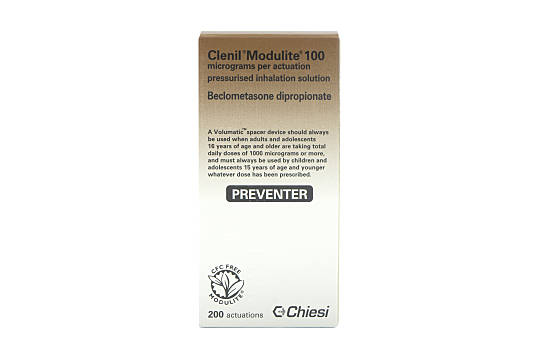
Steroid-based inhalers, such as Clenil Modulite or Soprobec, reduce airway inflammation and sensitivity when used daily, lowering the chance of attacks.
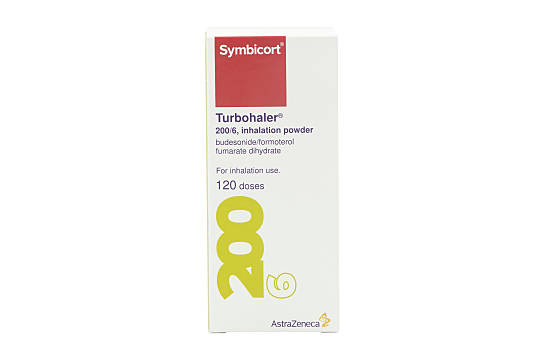
Where asthma is poorly controlled with a steroid preventer inhaler, a long-acting bronchodilator may be used. This is a type of medication that relaxes the muscles in the lungs and widens the airways, and because it’s long-acting, the effects can last for at least 12 hours. Symbicort Turbohaler contains the long-acting bronchodilator formoterol alongside a steroid.
Oral corticosteroids
Short courses of steroid medication like prednisolone may be prescribed to control severe inflammation during or after an attack. Long-term use is not recommended due to potential side effects, like weight gain and high blood pressure.
Leukotriene receptor antagonists (LTRA)
LTRAs usually come as an oral or chewable tablet that you take alongside your preventer inhaler. They block the action of leukotrienes, a substance released in response to an asthma trigger that worsens inflammation and mucus secretion. They are often prescribed for mild asthma to stop it from getting worse and the most common LTRA is montelukast (Singulair).
Biologic therapies
For severe asthma that does not respond to other treatments, biologic therapies target specific parts of the immune system to control symptoms. These are usually prescribed by specialists.
➤ Learn more about types of inhalers or get a more detailed overview of treatment options on our asthma treatments page.
If you’re unsure about the right treatment for your asthma, speak to your doctor. You can also explore ZAVA’s online services to request inhalers and manage your asthma more easily.

from £11.95
from £12.95
from £22.95
from £49.95

No results found.
Please check your spelling or try another treatment name.
Long-term prevention of asthma attacks
Though asthma attacks cannot always be prevented, you can significantly reduce your risk of an attack with the following tips:
-
Use a preventer inhaler daily – if prescribed, use your preventer inhaler daily as directed. This reduces airway inflammation and sensitivity over time, helping to prevent symptoms and attacks.
-

Avoid allergens – where possible, reduce contact with common allergens like dust mites, mould, and pet hair. Use hypoallergenic bedding, vacuum regularly with a HEPA filter, and keep humidity levels low in your home to prevent mould growth.
-

Keep out pollen – during hay fever season, keep your windows and doors shut as much as possible and consider taking antihistamines to help manage your symptoms when pollen count is high.
-

Symptom diary – keep a symptom diary to track changes in your asthma and identify potential triggers. Note how often you need your reliever inhaler and any patterns in your symptoms.
-

Asthma action plan – use the asthma action plan created with your GP or asthma nurse to ensure you’re managing your condition effectively.
-
Adjust your reliever – if you frequently need your reliever inhaler, speak to your doctor about adjusting your treatment plan. Do not change your treatment plan without consulting your doctor first.
-
Exercise safely – regular exercise can improve lung function, but it’s important to warm up properly and avoid exercising in cold, dry air or during high-pollen days. You should always carry your reliever inhaler with you.
-

Manage stress – it can be difficult to manage anxiety and stress, but regularly practicing techniques like mindfulness, yoga, or deep breathing exercises can help you relax and boost overall wellbeing.
-

Lead a healthy lifestyle – overall, this is important for people with asthma. This includes eating a balanced diet, drinking plenty of water, and taking vitamins or supplements to support your overall health and strengthen your immune system.
-

Avoid infection – steps like going for your annual flu jab and practicing good hygiene can also reduce your risk of infections that can lead to asthma flare-ups.
-

Regular check-ups –attend all routine appointments with your GP or asthma nurse. Discuss any recent triggers or symptoms so they can tweak and review your treatment as necessary.






These strategies should help you to effectively deal with asthma symptoms or flare-ups. If you’re unsure about any aspect of your asthma management, speak to a healthcare professional for personalised advice.
Asthma attack information for caregivers
If you're looking after an older person with asthma, it can be helpful to be aware of the early warning signs and treatment options in different groups. We’re sharing tips on how to care for vulnerable people.
Asthma attacks in older adults
Recognising early warning signs in elderly adults
In older adults, asthma attacks may present differently and can be confused with other conditions like chronic obstructive pulmonary disease (COPD) or heart failure. Warning signs include:
- increased shortness of breath during normal activities like eating
- tiredness or weakness after small amounts of physical effort
- persistent coughing or chest tightness
When to seek medical help
Call 999 immediately if the individual:
- has severe difficulty breathing or speaking
- appears confused or drowsy
- shows cyanosis (blue lips or nails)
- does not respond to their reliever inhaler
Tailoring treatments for older adults
Older adults may need spacers to use their inhalers effectively. Regular check-ups are essential to ensure that their inhalers are working as intended, especially if arthritis or other conditions affect their ability to use them.
Monitor for potential side effects of asthma medications, such as tremors or an increased heart rate, and always consult a doctor if these occur.
Always consult a healthcare professional if you have concerns about treatment or care. Some older adults may need the help of a carer who visits once a day to help with administering medications like inhalers.
Managing asthma during pregnancy
If you experience an asthma attack during pregnancy:
- Use your reliever inhaler immediately to relieve symptoms.
- If symptoms persist or get worse, call 999 or go to A&E for urgent medical assistance.
Untreated asthma attacks can pose risks to both mother and baby, so it’s vital to act quickly.
It's important to try and avoid your known triggers where possible and schedule regular checkups with your GP. Let your doctor know straight away if your symptoms become worse over time or if you have any other concerns.
When you're pregnant, hormonal changes can sometimes affect asthma symptoms. Some pregnant women notice that their symptoms get worse, while others experience no change or even an improvement.
When to get help
Contact your GP or midwife if you notice:
- your asthma symptoms are worsening or not responding to your inhaler
- you’re feeling unusually breathless during daily activities
- you have concerns about how your asthma might affect your baby
Safe asthma treatments during pregnancy
Inhalers like salbutamol are safe to use during pregnancy and help to provide fast relief from symptoms. Daily use of steroid-based preventer inhalers, such asClenil Modulite or Symbicort, are also considered to be generally safe.
When you find out you’re pregnant, speak to your GP or asthma nurse as soon as possible to review your asthma treatment plan. You should also let your midwife know that you have asthma.
from £11.95
from £12.95
from £22.95
from £49.95
No results found.
Please check your spelling or try another treatment name.
Conclusion
Managing asthma attacks effectively begins with understanding the symptoms, identifying your triggers, and having a clear plan in place. Whether it’s using your reliever inhaler during an attack, taking daily steps to prevent symptoms, or knowing when to seek emergency help, every action you take contributes to better control of your asthma.
Asthma can be unpredictable, but with the right treatment, tools, and support, you can reduce the chance of attacks and live with asthma confidently. If you’re ever unsure about your symptoms or treatment, don’t hesitate to consult a healthcare professional. At ZAVA, we’re here to provide trusted advice and access to the medications you need to manage your asthma.
Frequently asked questions
How long does an asthma attack last without an inhaler?
The duration of an asthma attack without a reliever inhaler can vary significantly depending on how severe it is. Mild attacks may last for several minutes and resolve on their own, while severe attacks can last for hours, especially if untreated.
If your symptoms get worse or do not go away, you should call 999 immediately for emergency help.
What 5 things can identify an asthma attack?
The 5 key signs of an asthma attack are:
- worsening symptoms, including a cough, breathlessness, wheezing, or tight chest
- your reliever inhaler is not helping
- you're too breathless to do normal activities, such as speak, eat, or sleep
- your breathing is getting faster and it feels like you cannot catch your breath
- your peak flow score is lower than normal – this is a test that checks how much air is flowing out of your lungs and may be performed by a healthcare professional, or at home if you have a peak flow meter
If you notice any of these signs in yourself or someone else, ensure that a reliever inhaler is used immediately if available, and seek medical help if symptoms do not improve.
What is the best position for an asthma attack?
The best position during an asthma attack is to sit upright in a chair with your back supported and your feet flat on the floor. Lean slightly forward, placing your hands on your knees or a table, as this helps open your airways and makes it easier to breathe. Avoid lying down, as this can make your symptoms worse.
Can an asthma attack go away on its own?
Mild asthma attacks may improve without an inhaler or treatment, but this is not always the case. If you're experiencing a severe attack, it's unlikely to resolve on its own and medical help will be needed.
What is the difference between a panic attack and an asthma attack?
A panic attack typically causes rapid breathing, chest tightness, and dizziness, but it does not involve airway inflammation.
On the other hand, an asthma attack results from airway narrowing and inflammation, causing wheezing, breathlessness, and a persistent cough.
Strategies to manage both can initially help, such as sitting up straight and focusing on your breathing, but if you're unsure, use a reliever inhaler, and seek medical help if symptoms persist.
Which colour inhaler should be given to someone having an asthma attack?
During an asthma attack, a blue inhaler (commonly a reliever inhaler, such as salbutamol or Ventolin) should be used. These inhalers work quickly to relax the muscles around the airways, helping to ease breathing and reduce symptoms like wheezing and chest tightness. In most cases, they can provide effective relief.
If symptoms do not improve after 10 puffs of your inhaler, or if the attack becomes severe, call 999 immediately for emergency help.

After completing her first degree, she went on to study graduate-entry medicine at Warwick University. After graduating as a doctor, she worked within the West Midlands in Urology, Respiratory Medicine, Infectious Disease, and Psychiatry before transitioning into a full-time medical communications role.
Meet our doctorsLast reviewed: 26 Jan 2025
-
About montelukast, NHS [accessed 21 Jan 2025]
-
Asthma attacks, NHS [accessed 21 Jan 2025]
-
Asthma attacks, Asthma and Lung UK [accessed 21 Jan 2025]
-
Asthma, acute, NICE [accessed 21 Jan 2025]
-
Asthma and pregnancy, Asthma and Lung UK [accessed 21 Jan 2025]
ZAVA offers reliever inhalers to help manage asthma and for effective relief from symptoms.






 Secure payment


