Allopurinol tablets
Effectively relieve chronic gout attacks with Allopurinol tablets



Prices from £13.99
In stock. Simply fill in a brief consultation questionnaire and one of our doctors will review your request today.
-
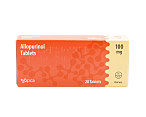
Allopurinol is a prescription-only, generic medication containing allopurinol. It’s used as a long-term treatment for gout and works by lowering the levels of uric acid in your body, which is the substance that causes gout. Allopurinol is taken once a day, starting at 100mg.
When taken regularly, allopurinol reduces the number of gout attacks you have and helps protect your joints from damage. It’s a very effective treatment, with 96% of people taking it achieving a safe level of uric acid in their body. It can take several months before you feel the full effect of the medication.
You can get allopurinol from ZAVA as long as you’ve:
- been diagnosed with gout by a doctor
- been taking allopurinol on prescription for at least 1 year
- got no new symptoms
Prices
28 tablet(s) - £13.99
56 tablet(s) - £15.99
84 tablet(s) - £15.99
168 tablet(s) - £16.99
28 tablet(s) - £15.49
84 tablet(s) - £16.99
168 tablet(s) - £18.99



About allopurinol
-
-
Allopurinol is a long-term treatment used to lower the levels of a substance called uric acid in your body. The active ingredient, allopurinol, belongs to a group of medications called xanthine oxidase inhibitors (urate-lowering medications). Allopurinol is used for gout and other conditions that are affected by uric acid build-up, such as kidney stones.
As allopurinol tablets are a generic medication, the manufacturer may differ.
-
-
Allopurinol works by stopping the body from converting a substance called purine into excess uric acid. Gout is caused by an overproduction of uric acid that your kidneys cannot filter out fast enough, which leads to a build-up in your blood and sometimes your urine (pee).
This leads to tiny, sharp urate crystals forming around your joints, causing pain and swelling. Leaving gout untreated can cause long-term joint damage and may also damage the kidneys if crystals form there. Allopurinol needs to be taken every day to keep your levels of uric acid low and stop gout attacks, so it’s prescribed as a long-term treatment.
How long does allopurinol last?
The half-life of allopurinol is about 1.5 hours, which is how long it takes for the active ingredient to be reduced by half in your body. This means you need to take it every day for it to continue to work.
How long does allopurinol take to work?
It can take several months for allopurinol to work and stop gout attacks. During the first few months, you may get gout attacks more often than usual. This is because allopurinol lowers the levels of uric acid in your body, and this can cause gout crystals to move as they begin to slowly dissolve. Your doctor may prescribe other treatments to help with this, including colchicine or anti-inflammatories like ibuprofen.
How effective is allopurinol?
Allopurinol is very effective at treating gout, and it can help 96% of people who take it achieve safe levels of uric acid. As uric acid build-up is what causes gout attacks, you’ll get fewer gout attacks as you continue to take it, and their severity will lessen with time.
After taking allopurinol for a few years, any remaining gout crystals may dissolve. This means your gout attacks might stop completely, and there’ll be no further damage to your joints.
-
-
Take your daily allopurinol tablet whole, with a glass of water and after food. Take it at the same time every day.
You’ll usually be started on a low dose of 100mg to reduce the chance of side effects, which can be increased by your doctor after checking your uric acid levels.
What if I miss a dose of allopurinol?
If you miss a dose of allopurinol, take it as soon as you remember. But if it’s time for your next dose, skip the missed dose. It’s not safe to take 2 tablets at once, as it can increase your chance of side effects.
Missing the occasional tablet is not likely to decrease the effectiveness of allopurinol, but it’s important that you try to take it every day. It can help to set a reminder on your phone or calendar.
What if I take too much allopurinol?
If you take too much allopurinol, speak to a doctor straight away. If you get signs of an overdose, such as nausea, vomiting, diarrhoea, and dizziness, go to A&E or call 999 in an emergency.
What to do if you have a gout attack while taking allopurinol
If you get a gout attack while taking allopurinol, you must continue with your treatment.
Do not stop taking allopurinol, but make sure that you get treatment for your gout attack from your doctor if you have not been given some already. The main treatments for gout attacks are non-steroidal anti-inflammatory medications (NSAIDs) like naproxen and ibuprofen, and colchicine. These are safe to take alongside allopurinol.
If you’re prescribed allopurinol through ZAVA, we can prescribe colchicine for a gout attack as long as you’ve taken it before.
-
-
Allopurinol is available in doses from 100 to 900mg. For mild to moderate gout, 300mg is usually enough to manage uric acid levels while reducing the risk of side effects of allopurinol. At ZAVA, we can prescribe 100mg and 300mg tablets.
Starting dosage
Allopurinol starts at a dose of 100mg, and your dosage will only be increased if you are tolerating the medication well, such as no severe or ongoing side effects, and your uric acid levels have not reached a safe level after taking it for 4 weeks. The allopurinol dosage is usually increased 100mg at a time.
If you have liver problems, you may need to start at an even lower dose than 100mg.
Maximum dosage
The maximum dosage of allopurinol that can be prescribed is 900mg a day. This is only for severe cases, and you’ll take multiple doses a day instead of just 1 tablet.
At ZAVA, we cannot prescribe such high doses of allopurinol, as you will need extra monitoring and specialist care if you have severe symptoms and are taking a high dose, as it comes with an increased risk of side effects.
Allopurinol 100 vs 300
Allopurinol 100mg is the starting dose for gout. Some people stay on this dose, but if your uric acid levels have not decreased enough by week 4, your dosage will be increased by your GP or specialist to allopurinol 200mg. After another 4 weeks, your levels will be checked again, and if necessary, your dose will be increased to allopurinol 300mg.
-
-
You can get allopurinol prescribed from a doctor after being diagnosed with gout, as long as you are not currently having a gout attack. It’s available on the NHS and privately online, but you cannot get it over the counter.
Can I buy allopurinol online?
Yes, you can get allopurinol online with a prescription from a doctor. At ZAVA, our gout service allows you to get repeat prescriptions for both long-term and short-term gout treatments.
To get allopurinol online at ZAVA, follow these steps:
- Complete a short medical questionnaire about your symptoms and gout medication history.
- One of our doctors will review your answers and make sure allopurinol is suitable for you.
- If suitable, your medication will be delivered to your home, or you can choose to collect it from a local Post Office at a time that’s convenient for you.
- You’ll receive follow-ups through your private patient account, and this is also where you can message a doctor if you have any questions about your treatment.
Please note: We can only prescribe allopurinol if you have:
- a gout diagnosis
- been taking allopurinol for at least 1 year safely
- no new gout symptoms or concerns
Can I buy allopurinol over the counter?
No, allopurinol is a prescription-only treatment, it cannot be bought over the counter. It’s not safe to take allopurinol without a prescription and a gout diagnosis.
Can I get allopurinol on the NHS?
Yes, allopurinol can be prescribed by your GP as a long-term gout treatment. They will monitor the levels of uric acid in your body using a blood test and increase your dose as required. You’ll only ever be prescribed the lowest dosage you need to control your uric acid levels, to reduce the risks of side effects.
-
-
Allopurinol, like all medications, can cause side effects, but not everyone will get them.
Common side effects of allopurinol (may affect up to 1 in 10 people) include:
- an increase in the level of thyroid-stimulating hormone in the blood
- skin rash
Uncommon side effects of allopurinol (may affect up to 1 in 100 people) include:
- feeling sick (nausea)
- being sick (vomiting)
- diarrhoea
- abnormal liver test results
Rare side effects of allopurinol (may affect up to 1 in 1,000 people) include:
- problems with the liver, including inflammation
Very rare side effects of allopurinol (may affect up to 1 in 10,000 people) include:
- changes in the blood, which may cause bruising more easily or signs of an infection – this usually only happens in people with kidney or liver problems
- lymph node changes
- fever
- blood in your urine
- high cholesterol
- feeling weak or unwell
- weakness, unsteadiness, numbness, feeling like you cannot move your muscles, or loss of consciousness
- diabetes
- a build-up of fluid, which can cause swelling in the body, especially the ankles
- a sensation of burning, tickling, pricking, or tingling of the skin (paraesthesia)
- lack of coordination of muscle movements (ataxia)
- depression
- hair discolouration or hair loss
- cataracts
- a change in taste
- changes in bowel habits
- enlargement of the breasts in both men and women
- erectile dysfunction
- male infertility
- chest pain, slow pulse, or high blood pressure
- headaches, dizziness, feeling drowsy, or vision changes
Allopurinol can also cause some serious side effects. Speak to a doctor, or call 999 in an emergency or go to A&E if you get:
- a lichenoid skin rash, which can cause an itchy red or purple skin rash and threadlike white or grey lines on your mucous membranes
- aseptic meningitis, with symptoms including headache, neck stiffness, fever, nausea, or some or total loss of consciousness
- an allergic reaction, which can cause skin reactions and very rarely wheeziness, swelling in the face, tightness in the chest, or collapse
- fever, chills, headache, and other flu-like symptoms (rare)
- bleeding in the eyes, mouth, nose, lips, or genital (rare)
- serious hypersensitivity reactions (rare), with symptoms like fever, skin rash, joint pain, and abnormal blood or liver function tests
- changes to the skin, such as ulcers in the mouth, nose, throat or genitals, conjunctivitis, blisters, and peeling skin (rare)
- chest pain
- vomiting blood
- severe stomach pain
How long do allopurinol side effects last?
Allopurinol side effects can last anywhere from a few days to a few months. They usually get better over time, but can come back when you increase your dose. Your doctor will not increase your dose until it’s safe to do so, and you must let them know if you get any ongoing or serious side effects. Once you’ve reached a maintenance dose, side effects should settle if you do get them.
What to do if you get allopurinol side effects
If you get allopurinol side effects and they are mild, see if they go away on their own as you get used to your treatment. It can help to take your tablets at the same time every day, and to eat a large meal before taking them, especially if you get nausea or vomiting.
Speak to your doctor straight away if your side effects are severe or affecting your life.
Why does allopurinol worsen acute gout?
When you first start allopurinol, it can worsen acute gout (gout attacks). This happens because your uric acid levels start to lower, and this causes movement of gout crystals. This is a temporary symptom and should get better after a few months, but your doctor will usually prescribe gout attack medications so you can take them at the first sign of an attack.
-
-
Allopurinol may not be right for everyone. Certain conditions or certain medications can interact with allopurinol and make it less effective, or potentially unsafe. Allopurinol is suitable for people who need help managing their uric acid levels and have gout attacks.
You should not take allopurinol if you are:
- allergic to any of the ingredients in the tablets, including the active ingredient
- pregnant or breastfeeding
- known to have the HLA-B*5801 allele (a genetic marker which is linked to a high risk of developing serious, life-threatening reactions to allopurinol)
You must also speak to your doctor before taking allopurinol if you:
- have thyroid problems, as allopurinol can increase the level of thyroid hormones, so may not be suitable
- are currently having a gout attack
- have liver or kidney problems, as you may need a lower dose and additional monitoring
- are of Han Chinese, African, or Indian origin – you are more likely to have the HLA-B*5801 allele, and you may need genetic testing before taking allopurinol
- have galactose intolerance, total lactase deficiency or glucose-galactose malabsorption
- have had an organ transplant
- have haemochromatosis
If you have cancer or Lesch-Nyhan syndrome (a rare, inherited disorder), you’re more likely to get an increase in uric acid in your urine. Your doctor will tell you to drink lots of water to keep your urine diluted.
Allopurinol and other medications
Let your doctor know about all medications you take, prescription and over-the-counter treatments, and any herbal remedies.
Allopurinol may not be suitable, or you may need dose changes or extra monitoring, if you take:
- aspirin
- theophylline, used for breathing problems
- epilepsy medication, such as phenytoin
- vidarabine, used to treat herpes or chickenpox
- antibiotics, such as ampicillin or amoxicillin
- didanosine, used to treat HIV infection
- cancer treatment, especially 6-mercaptopurine
- immunosuppressants, including azathiopine and ciclosporin
- diabetes medication, such as chlorpropamide
- medication for heart problems or high blood pressure, such as ACE inhibitors or water tablets (diuretics)
- anticoagulants, used to thin your blood, such as warfarin
- any other gout medication, such as probenecid
Allopurinol with food and drink
Allopurinol does not interact with food and drink. However, it’s recommended to avoid food and drinks that are high in purines, especially alcohol, sugary drinks, certain seafood, and red meat. Purine breaks down into uric acid, so eating a diet high in purines may make allopurinol less effective or cause more gout attacks.
-
-
There are 2 gout medications available at ZAVA. Allopurinol is a long-term gout treatment, while colchicine is a short- and long-term gout treatment.
Colchicine vs allopurinol
Allopurinol lowers uric acid levels, while colchicine is an anti-inflammatory. It works by stopping the inflammatory (swelling) response your body has to uric acid crystals in the joints. Colchicine is mainly used to treat gout attacks. When taking colchicine for a gout attack, 42% of patients reported their pain had decreased by half within 36 hours.
You’ll usually be prescribed 1 tablet 2 to 4 times for a gout attack, but you cannot take more than 12 tablets per course. You can also take it alongside NSAIDs like ibuprofen or naproxen, both of which can be prescribed by a doctor. You can get ibuprofen over the counter, but you may need a higher dose for a gout attack, which you’ll need a prescription for.
Can colchicine and allopurinol be taken together?
Yes, you can take colchicine and allopurinol together for the long-term treatment of gout. Your doctor may prescribe them together if you are having regular gout attacks on allopurinol or have severe symptoms.
-
Frequently asked questions
Does allopurinol cause weight gain?
No, allopurinol is not reported to cause weight gain, but very rarely it can cause fluid retention called oedema. This can feel like weight gain, but it’s actually fluid building up in your body, and often causes other symptoms like swollen ankles. If you get these symptoms or unexplained weight gain on allopurinol, speak to a doctor.
Why should allopurinol be taken at night?
You can take allopurinol at any time of day. Some doctors may recommend taking it at night because your uric acid levels peak during the night. However, there’s no evidence that the time you take allopurinol will change how effective it is.
It’s most important to take it around the same time each day, to help keep the medication levels steady in your body, and to take it after food.
Does allopurinol affect sleep?
There are no side effects reported of allopurinol affecting sleep. Some side effects may make it more difficult to sleep, such as nausea, or make you need more sleep, such as weakness and feeling unwell. This should pass as your side effects get better.
Gout attacks can also have an impact on your sleep, and they are more likely when you first start treatment, but this also gets better within a few months.
What organ is allopurinol hard on?
Allopurinol may be ‘hard’ on the kidneys and liver, but only if you already have existing liver or kidney problems. This is because the kidneys break down allopurinol, and the liver helps to remove it from your body. At low doses and for people without kidney or liver problems, allopurinol should not cause any problems.
Very high doses of allopurinol, such as 900mg, are more likely to be hard on these organs, and you might need additional blood tests and monitoring if you need a very high dose.

Dr Clair Grainger studied at The University of Edinburgh from 2004 to 2009. She's worked in hospitals throughout Edinburgh and London before completing her GP training in North Middlesex Hospital in 2017.
Meet our doctorsLast reviewed: 23 Apr 2026
-
Allopurinol, National Institute for Health and Care Excellence (NICE) [accessed 19 March 2026]
-
Allopurinol, NHS [accessed 19 March 2026]
-
Allopurinol for chronic gout, Cochrane Database of Systematic Reviews [accessed 19 March 2026]
-
Allopurinol Tablets BP 100mg, emc [accessed 19 March 2026]
-
Colchicine for treating acute gout flares, Cochrane [accessed 19 March 2026]





 Secure payment


