A comprehensive guide to Ozempic face
If you’re taking Ozempic and have lost weight, you may have noticed changes in how your face looks. This is often called “Ozempic face”. These changes can include a more hollow or drawn look, which can feel worrying.
In the UK, Ozempic is licensed to treat type 2 diabetes, not weight loss. However, weight loss can still happen as a side effect, and the effects of losing fat from the face can feel unexpected.
This guide will explore what Ozempic face is, why it happens, and provide practical advice on how to manage or minimise these changes.

Medically reviewed by
Dr Kathryn BasfordLast reviewed: 26 Feb 2026
What's on this page?
What is Ozempic face?
Ozempic face refers to visible changes in facial appearance that some people notice when they lose weight on Ozempic (and other medicine containing semaglutide, which is the active ingredient in Ozempic).
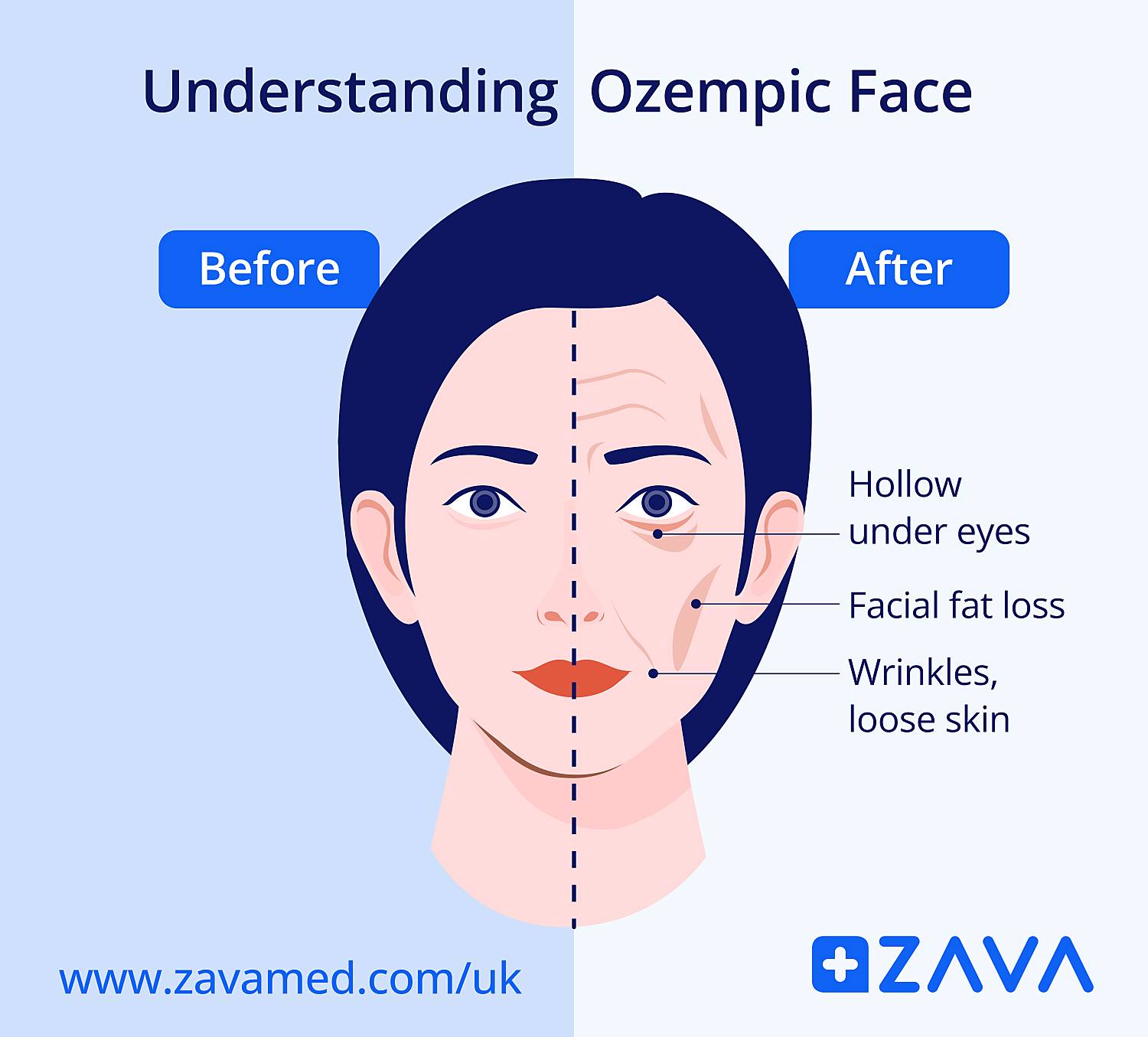
This is mainly due to loss of facial fat and volume, which can make the cheeks and jawline look thinner or more hollow. Dehydration and natural changes in skin elasticity may add to this.
Some small studies suggest that rapid weight loss with semaglutide may be associated with facial volume loss, tissue sagging, and changes in collagen and elastin. These changes can make the face appear more hollow or sunken as weight loss progresses.
It’s likely that most of these changes are related to losing fat quickly rather than a unique effect of Ozempic itself. Similar effects can be seen with other GLP-1 medicines or with rapid weight loss from other causes.

“When semaglutide is used and weight loss occurs, some people notice their face looks a bit thinner and more hollow. This is usually due to fat loss in the face, which is a natural part of losing weight. If you’re worried about how these changes look or feel, speak to your doctor – we can talk about the pace of weight loss and what might help you feel more comfortable.”
What does Ozempic face look like?
Someone may have ‘Ozempic face’ if their face has a slimmer, more hollow look in the cheeks, with more defined cheekbones and jawline. As the fat pads in the face shrink, the skin can appear looser or more lined, which some people describe as sagging.
As weight loss continues, there might be further changes in the jawline and neck, sometimes appearing more defined as you lose fat in these areas.
Learn more about the science behind losing weight in your face.
Why does Ozempic cause facial changes?
Medicines containing semaglutide (and similar drugs) can lead to significant weight loss in some people. As you lose body fat, you also lose some of the fat that naturally pads the face. If this happens quickly, your skin has less time to adapt, which can put more strain on collagen and elastin and make lines or sagging more noticeable.
4 ways to avoid or minimise Ozempic face
If you're concerned about Ozempic face, there are steps you can take that may minimise or reduce the visible changes.
1. Hydration
Maintaining hydration is crucial, as dehydration can worsen the appearance of sagging or hollow skin. Aim to drink up to 3 litres of water throughout the day to keep your skin hydrated and maintain its elasticity.
2. Skin care
✓ Moisturise regularly – use a good moisturiser to help keep your skin plump.
✓ Use collagen-boosting products – look for skincare products that help stimulate collagen production, as it is vital for skin elasticity.
✓ Wear sunscreen – protecting your skin from UV damage can help preserve skin quality and prevent premature ageing.
3. Gradual weight loss
If you’re losing weight very quickly, talk to your prescriber about whether losing weight at a slower rate could still meet your health goals while giving your skin more time to adapt. 1-2 lbs per week is the recommended rate.
4. Diet and exercise
A balanced diet and regular exercise can help you maintain overall health and muscle tone. Getting enough protein and doing some strength-based exercise supports your muscles and can help your face and body look less “deflated” as you lose fat.
Is Ozempic face permanent?
For many people, Ozempic face is not permanent. As your weight and lifestyle stabilise, your face may regain some volume or simply look more balanced over time. However, some changes in skin and fat distribution can be longer lasting, especially if you’ve lost a large amount of weight or are older.
If you are concerned about long-term changes, discussing cosmetic procedures such as fillers with your healthcare provider may be an option to restore volume to the face.
➤ These treatments are not suitable for everyone and carry risks, so they should always be considered carefully with professional advice.
How long does Ozempic face take to appear?
The timeline for when Ozempic face might become noticeable varies. For most individuals, changes start to appear after several weeks or months of using a weight loss drug. The speed at which facial changes appear can depend on various factors, including:
- the rate of weight loss – faster weight loss tends to lead to more noticeable changes in the face
- dosage of Ozempic – higher doses may result in more rapid fat loss, potentially affecting the face sooner
- genetics – some people are genetically predisposed to lose facial fat more quickly than others
Should I be worried about Ozempic face?
While ‘Ozempic face’ may be concerning for cosmetic reasons, it is not harmful. The changes are typically due to natural fat reduction and skin adjustments that occur with weight loss.
However, if you feel uncomfortable or unhappy with these changes, it’s important to speak with your doctor. They may offer guidance on managing the issue or discuss solutions such as cosmetic procedures or gradual weight loss.
Not everyone using Ozempic (or weight loss drugs like Wegovy and Mounjaro) will notice changes in their face. And for those who do, the effect is usually cosmetic rather than harmful. Factors such as how fast you lose weight, age, hydration and skin elasticity all play a role. As weight stabilises, you may find your facial appearance looks more balanced again.
Ozempic face is a manageable cosmetic side effect rather than a medical risk. By focusing on gradual, sustainable weight loss, good hydration and skin care, you may avoid or reduce the symptoms of Ozempic face.
Frequently asked questions
Why does my face look different since starting Ozempic?
The changes in your face after starting Ozempic are primarily due to the weight loss effects of the medication. As semaglutide helps reduce appetite, it can lead to fat loss in the face, which can cause a hollow or gaunt appearance. The face, especially areas like the cheeks and jawline, can become more angular as fat is lost.
Do skincare or hydration habits help with Ozempic face?
Yes, proper skincare and hydration habits can significantly help in managing Ozempic face. Hydrating the skin internally by drinking enough water and externally through moisturising products is essential. Look for moisturisers that contain ingredients like hyaluronic acid or glycerin, which help to lock in moisture.
Sunscreen is also important to protect the skin from UV damage, which can further affect skin quality. Additionally, skincare routines that encourage collagen production, such as using retinol or vitamin C serums, can help improve skin elasticity and minimise the appearance of sagging. If you follow a consistent hydration and skincare regimen, it can help reduce the visible effects of Ozempic face over time.

Dr Kathryn Basford is a GP based in London. She graduated from the University of Manchester and completed her GP training through Whipps Cross Hospital in London. Outside of work she enjoys baking and keeping active, running marathons, swimming, and triathlons.
Last reviewed: 26 Feb 2026
Sources
Semaglutide “Ozempic” Face and Implications in Cosmetic Dermatology, Wiley [accessed 18 December 2025]
Cosmetic Considerations of Semaglutide, MDPI [accessed 18 December 2025]
Effects of once-weekly semaglutide on appetite, energy intake, control of eating, food preference and body weight in subjects with obesity, Diabetes, Obesity and Metabolism [accessed 18 December 2025]
Treatment - Obesity, NHS [accessed 18 December 2025]
"Ozempic Face" in Plastic Surgery: A Systematic Review of the Literature on GLP-1 Receptor Agonist Mediated Weight Loss and Analysis of Public Perceptions, Aesthetic Surgery Journal Open Forum [accessed 18 December 2025]
Further reading on weight loss
- How long does a Saxenda pen last?
- Maintenance hub
- 7 day smoothie diet
- 7-day protein diet plan for weight loss
- Side effects of Saxenda
- Liraglutide for weight loss
- What is food noise?
- Diabetes medication for weight loss
- BMI verification
- Mounjaro pen malfunctions
- Obesity statistics
- Ozempic for weight loss
- How to store Mounjaro
- Switching from Mounjaro to Wegovy
- Trulicity for weight loss
- Rybelsus for weight loss
- Victoza for weight loss
- Semaglutide for weight loss
- BMI calculator UK
- Peptides for weight loss
- Switching from Wegovy to Mounjaro
- Weight loss plateaus
- Unhealthy drinks
- Ways to curb food cravings
- Appetite suppressants
- Switching from Saxenda to Mounjaro
- How to lose weight without exercise
- Does drinking water help weight loss?
- BMR calculator
- How many calories should I eat to lose weight?
- High protein foods for weight loss
- Best fruit for weight loss
- Foundayo (Orforglipron): The new GLP-1 tablet
- GLP-1 patches
- Bimagrumab
- Is coffee good for weight loss?
- How much exercise is needed to lose weight?
- What is Ozempic butt?
- Ozempic dosage guide
- Low carb diet for weight loss
- How to lose weight fast and safely
- CagriSema
- Survodutide
- What is Ozempic mouth?
- Wegovy 7.2mg
Trusted by thousands
Your health guided by experts
Our doctors are regulated by the CQC and GPhC, the same bodies overseeing NHS care.

Medical Director

Clinical Lead for Service Expansion

Online Doctor