Doxycycline side effects

Medically reviewed by
Dr Brenda IkejiLast reviewed: 01 May 2025
Doxycycline is a prescription antibiotic used to treat chlamydia and a range of other bacterial infections. It’s also used to prevent malaria when travelling to high-risk regions.
As with any medication, there is a risk you may experience side effects when taking doxycycline, and it’s important to be aware of them before starting treatment. In this article, we cover everything you need to know about doxycycline side effects, from common symptoms to potential drug interactions, and how to reduce your risk of side effects.
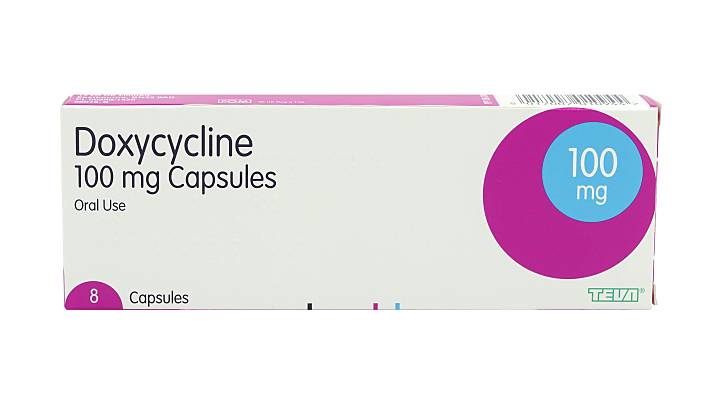
What are the possible side effects of doxycycline?
Common side effects
Common side effects of doxycycline happen in roughly 1 in 10 people. You should let your doctor know about side effects if they do not go away or if they seem to be getting worse.
Common side effects of doxycycline include:
- headache
- feeling or being sick (nausea or vomiting)
- sensitivity to sunlight and increased risk of sunburn
- worsening symptoms of systemic lupus erythematous (SLE)
- pericarditis (inflammation in the heart)
For a full list of up-to-date side effects, read the patient information leaflet that comes with your medication.
Serious side effects of doxycycline
Serious doxycycline side effects are quite rare, but if they happen, they could signify an underlying health condition caused by the medication and you should call your doctor straight away, or 999 in an emergency.
| Health condition | Symptoms |
|---|---|
Blood disorder |
|
Rare medicine allergies |
|
Liver problems |
|
Pressure around the brain |
|
Photo-oncolysis |
|
Pancreatitis |
|
Esophageal swelling (swelling of the windpipe) |
|
Serious allergic reactions
In very rare cases, doxycycline can cause an allergic reaction, which is a medical emergency.
If the following symptoms occur you must contact 999 immediately:
- skin rash that may include itchy, red, swollen, blistered, or peeling skin
- wheezing
- tightness in the chest or throat
- trouble breathing or talking
- swelling of your mouth, face, lips, tongue, or throat
- severe headache
- skin rash, and/or swollen lymph nodes
- blurred vision or double vision
- blistering of skin, eyes, mouth, or genitals
- upset stomach, loss of appetite and severe bloody diarrhoea
Am I likely to get side effects from doxycycline?
Around 1 in 10 people experience side effects from doxycycline, so most people who take it won’t get any adverse reactions. However, some people are more likely to get side effects, or have more severe reactions to the medication. This includes:
1. If you are pregnant: Doxycycline can cause harm to the teeth and skeletal development of unborn babies. If you’re pregnant or planning to become pregnant, ask your doctor about alternative treatments. You should call your physician right away if you become pregnant while taking doxycycline.
2. If you are breastfeeding: Doxycycline is considered safe in the short term for people who are breastfeeding (less than 3 weeks). However, long-term or repeated use may cause harm to a child who is breastfed. Talk to your doctor if you breastfeed your child.
What to do if you’re experiencing side effects from doxycycline treatment
If you think you may be experiencing severe doxycycline side effects or symptoms of an allergic reaction, stop taking the medication right away and seek immediate medical attention, calling 999 in an emergency.
If you’re experiencing milder doxycycline side effects, record your symptoms, how severe they are, and how soon after taking a dose you experience them. This will help you to keep track of any developing symptoms and ensure you have detailed information to present to your doctor should you need further medical advice. If side effects are unmanageable or get worse during treatment, speak to your doctor straight away.
How can I avoid doxycycline side effects?
There is no way to ensure you will not experience side effects from doxycycline, but there are steps you can take to minimise your risk:
Take your medication properly
Make sure you read the patient information leaflet that comes with your medication and follow your doctor’s advice for exactly how and when to take it.
To help prevent digestive discomfort, you should take your tablets while sitting or standing upright, after a meal or snack, and wait 30 minutes before lying down.
Setting reminders and alarms is a good way to ensure you take the right dose at the correct time and avoid taking too much medication, which can lead to side effects.
Watch what you eat and drink
It’s recommended to avoid alcohol when taking doxycycline as it can interfere with the effectiveness of the medication. Alcohol consumption can also increase your risk of side effects, especially dizziness, headaches, and gastrointestinal issues. One or two drinks are unlikely to stop the medication from working completely, but moderate-to-heavy drinking should be avoided. You should stop drinking altogether if you experience any side effects, even from a small amount of alcohol.
Although you don’t need to change your diet completely while taking doxycycline, you can prevent possible digestive discomfort by sticking to plain foods and avoiding rich, fatty, or salty foods that irritate your stomach or lead to dehydration.
Keep your doctor updated
Let your doctor know about the medications you’re already taking or if you’re thinking of starting anything new while taking doxycycline.

“Even if you take the medication exactly as directed, you cannot always prevent doxycycline side effects from happening. Whether you experience them or not tends to happen at random, and it’s not always clear why some people have them and others don’t. Your doctor will explain the possible side effects to you and help you understand if there are any other risks relevant to your own unique needs or circumstances.
Luckily, most side effects are mild and manageable, and usually don’t last longer than your course of treatment. You should speak to your doctor if you’re worried about side effects or are experiencing severe or persistent symptoms.” – Dr Brenda Ikeji, Medical Editor.
How to manage the side effects of doxycycline
Here’s how you can manage common side effects at home.
For headaches try:
- drinking plenty of fluids including water, sugar-free squash, and herbal tea
- taking painkillers, like paracetamol and ibuprofen, which are also safe to take alongside doxycycline
For sensitivity to sunlight try:
- wearing sunglasses
- using high-protection sunscreen (SPF 30+)
- covering your skin with clothes before going outside
- avoiding tanning, sun beds and sun lamps
For nausea and vomiting, try:
- eating plain, simple meals that aren’t too rich or spicy
- avoiding dairy products, as these can prevent your body from absorbing your medication properly
- avoiding alcohol, as this can exaggerate digestive discomfort
- taking small sips of water regularly to prevent dehydration
- taking your dose of doxycycline after a meal or snack – this can be easier on the stomach
- talking to your doctor if you’re experiencing signs of dehydration, which include peeing less than usual or having dark, strong-smelling urine
Remember that if symptoms get worse or you’re still experiencing doxycycline side effects after stopping the medication, then it’s important to seek medical help.
Don’t stop treatment without consulting your doctor, who can advise you on the best course of action based on the doxycycline side effects you’re experiencing.
How long do doxycycline side effects last?
When used to treat chlamydia, doxycycline side effects usually last for a few days, and will go away on their own as your body gets used to the medication. Usually, they will clear up by the time you finish your treatment (within 7 days).
Any side effects should stop when you stop taking the medication. If you’re experiencing any symptoms after you’ve finished the course of treatment, speak to your doctor as there may be a complication or underlying health condition that is causing them.
Are there any doxycycline long-term side effects?
In rare cases, you may develop long-term side effects from doxycycline, such as:
- hemolytic anaemia (a condition which destroys red blood cells within blood vessels)
- decreased levels of white blood cells or platelets
- intracranial hypertension (high blood pressure in the head)
- pancreatitis (inflammation of the pancreas)
- tooth discolouration (in adults, this should go away with dental cleanings after you stop taking the medication)
It’s important to note that if you take doxycycline long-term, your side effects may last throughout your treatment. For example, if you use doxycycline for acne, you will typically take it long-term, which means you may experience side effects for a longer period of time. However, a course of doxycycline treatment for chlamydia typically lasts for 7 days, so this is unlikely to occur when using it in this instance.
If you have concerns about the long-term side effects of doxycycline, speak to your doctor.
Are there any medications I can’t take with doxycycline?
Yes, some medications can impact the effectiveness of doxycycline and how it works. Doxycycline may also impact the effectiveness of other medications. So, it is important to tell your doctor if you regularly take any of the following:
- oral contraceptives
- carbamazepine or phenytoin (epilepsy medication)
- indigestion remedies, like antacids
- oral zinc or bismuth
- carbamazepine or phenytoin (to control epilepsy) and barbiturates (used as a sedative to control epilepsy)
- stomach ulcer medications
- isotretinoin (accutane)
- disease-modifying anti-rheumatic drugs (DMARDs) like ciclosporin
- epilepsy medication or sedatives containing barbiturates
- blood clot medication
- penicillin
It’s important to tell your doctor about any medications that you’re taking before starting doxycycline, including herbal remedies, vitamin supplements, and over-the-counter and prescription medications.
Doxycycline side effects: FAQs
Is fatigue a side effect of doxycycline?
Fatigue and drowsiness are not commonly reported doxycycline side effects, and you are unlikely to feel tired as a result of the antibiotic itself. If you feel drowsy when taking doxycycline, it may be because your body is using its energy fighting the infection. You may also feel fatigued if you’re experiencing other side effects such as nausea, vomiting, or photosensitivity.
Can doxycycline affect your eyes?
Doxycycline is unlikely to affect your eyes but it can happen in rare cases. If you’re experiencing blurred vision or vision loss when taking doxycycline, contact your doctor or go to A&E immediately. This could be a sign of swelling in the brain or a vision disorder and may require immediate medical attention.
What are potential heart-related side effects of doxycycline?
The likelihood of experiencing heart-related side effects from taking doxycycline is very low. However, pericarditis (inflammation around the heart) has been reported as a rare side effect. The symptoms of pericarditis are:
- sharp chest pain that spreads to shoulders, neck, or back
- heart palpitations
- difficulty breathing
- fatigue
- fever
- coughing
- pain when swallowing
- pain that worsens when laying down or breathing deeply
If you’re experiencing heart-related symptoms from doxycycline, call 999 or visit A&E immediately, as they could signify a serious medical emergency. Pericarditis can be treated, but it may take a few weeks for symptoms to subside.
What are the side effects of doxycycline and alcohol?
Taking doxycycline and drinking alcohol at the same time may worsen side effects such as nausea and headaches. It’s not recommended to drink alcohol whilst taking doxycycline. Alcohol can limit the effectiveness of doxycycline, making it harder for the antibiotic to clear the infection from your body.
Are there any doxycycline mood side effects?
Mood-related side effects of doxycycline are unlikely, but antibiotics have been found to, on occasion, cause psychiatric side effects including depression and anxiety. This is because antibiotics can impact the bacteria in the gut, which then, in turn, can influence serotonin production in the brain. Speak to your doctor if you’re experiencing any mental health side effects from doxycycline.
Can you get a rash from doxycycline?
Doxycycline can increase sensitivity to sunlight, which can cause itching, redness and discomfort. If your skin is feeling more sensitive than usual, make sure to wear a high-spectrum SPF (30+) and limit skin exposure when outside.
If you’re experiencing a rash as a side effect of doxycycline, this could be a sign of a severe allergic reaction and may require urgent medical treatment. Call 999 or visit your local A&E department if possible.
Does doxycycline cause weight gain?
Abnormal weight gain is a reported side effect of long-term doxycycline use. However, when used to treat chlamydia, doxycycline is usually only taken short-term (over 7 days), and weight gain is unlikely to occur.
from £18.00

No results found.
Please check your spelling or try another treatment name.

Brenda studied medicine at St Georges University of London and has most recently worked in John Radcliffe Oxford University Hospitals, covering acute and general medicine.
Meet our doctorsLast reviewed: 01 May 2025
-
Doxycycline 100mg Capsules, emc [accessed 4th March 2025]
-
Doxycycline, NHS [accessed 4th March 2025]
-
Treatment: chlamydia, NHS [accessed 4th March 2025]
-
Antibiotics and mental health: The good, the bad and the ugly, National Library of Medicine [accessed 4th March 2025]
-
Doxycycline, NICE [accessed 4th March 2025]











 Secure payment


