Cold sore tablets
Discover how to test for cold sores, and get treatment with free and fast delivery.
Prices from £11.99
Simply fill in a brief consultation questionnaire and one of our doctors will review your request today.
Cold sores are a common condition affecting 67% of people in their lifetime. They are small, fluid-filled blisters that can be painful and appear on the mouth, lips, and nose. Cold sores are commonly caused by the herpes simplex virus type 1 (HSV-1) that belongs to the same family of infections that cause genital herpes, however, they can also be caused by the herpes simple virus type 2 (HSV-2).
Although there is no cure for HSV-1 or HSV-2 infections, there are treatments available to manage cold sore outbreaks effectively.
Request treatment
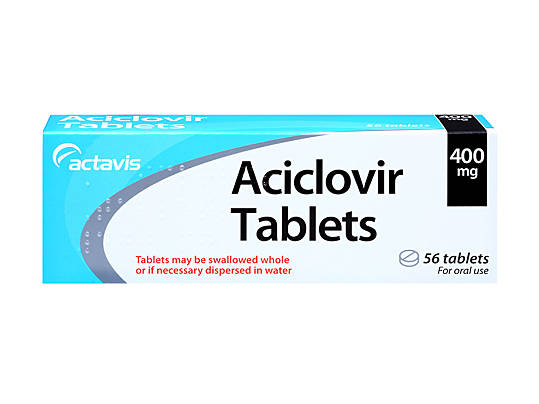
In stock. Prices from £19.95

In stock. Prices from £79.99

In stock. Prices from £29.95

In stock. Prices from £15.99
In stock. Prices from £14.99
In stock. Prices from £11.99

No results found.
Please check your spelling or try another treatment name.


About cold sores
-
-
Cold sores, also known as fever blisters, are small, painful blisters that are most commonly caused by the herpes simplex virus type 1 (HSV-1), but can be caused by the herpes simplex virus type 2 (HSV-2). Many people become infected with HSV-1 during childhood, where it remains in the body and can become active, causing recurrent cold sore outbreaks. It’s estimated that 67% of the world’s population has HSV-1.
Cold sores usually appear on or around the lips and are contagious and spread through direct contact with an infected person. Although there is no cure for cold sores, they can be effectively treated to help manage the symptoms of an outbreak.
-
-
The main symptom is the sores themselves. Cold sores usually affect the mouth and lips, and they can take up to 20 days to develop after you have been infected. The sore usually appears close to where the virus entered your body. A cold sore usually starts with a burning, itching, or tingling feeling. Then, over the next 48 hours, 1 or more blisters will appear on your face.
These blisters will break open and some fluid may ooze out of them, lasting 2 to 3 days. A scab will then form over the sore, which may crack and bleed. The scab should fall off and the cold sore will be healed within 10 to 14 days.
-
-

Typically, a cold sore appears as a cluster of small, fluid-filled blisters that will burst, crust over, and scab.
However, cold sores can be mistaken for other causes, including:
- spots or boils – painful, red, pus-filled spots on the face
- mouth ulcers – blisters on the inside of your mouth or lips
- impetigo – red sores or blisters that form crusty, brown patches on the face
-
-
Cold sores usually take around 10 days to heal on their own, but this can differ between people. What triggers an outbreak and its severity can also affect the time it takes you to recover.
If this is your first cold sore, it may take up to 3 weeks to heal.
-
-
Cold sores are usually caused by an infection of the herpes simplex virus type 1 (HSV-1). HSV-1 is the most common cause of oral herpes (cold sores) and is a member of the same family as HSV-2, the most common cause of genital herpes.
However, both types of herpes simplex virus can cause sores on the face or genitals. Most people are infected with HSV-1 during childhood through close skin-to-skin contact with an infected person.
Once you are exposed to the virus, it remains in your skin for the rest of your life. In many cases, it lies dormant and causes no symptoms, but certain triggers can reactivate it, resulting in cold sore outbreaks.
When is a cold sore contagious?
Cold sores are contagious from the moment you notice the first tingling, burning, or itching sensations, including before a blister appears, until the cold sore has completely healed and the scab has fallen off.
To stop you from passing on the infection, you should avoid:
- touching the cold sore – always wash your hands with soap and water if you do
- oral sex
- kissing
If you pass a cold sore onto a baby, it can cause neonatal herpes, which can be a serious condition.
Although it’s rare for HSV to be passed on from things like sharing towels or drinking from the same cup, it’s best to avoid sharing objects that touch your mouth while you have a cold sore.
Cold sore triggers
Certain things can trigger a cold sore outbreak, such as:
- stress
- fatigue
- illness
- sunlight exposure
- hormonal fluctuations or being on your period
If you know what triggers your cold sore outbreaks, it can make it easier for you to avoid them in the future. Following a healthy, balanced lifestyle can also lower your risk of outbreaks.
However, some people may never know what their triggers are. Keeping a diary is a useful way to help you track your triggers, record the severity of the outbreak, and which treatments, if any, work for you.
-
-
Although there is no cure for HSV or cold sores, there are things you can do to treat outbreaks and manage the symptoms. Treatment for an uncomplicated cold sore isn’t always needed, but it can help to speed up the healing process and improve your symptoms.
Cold sore treatments are available as tablets and creams, and can be used as soon as you start to notice the tingling, itching, or burning sensation.
Common cold sore treatments
Cold sore cream
Cold sore cream (aciclovir cream) contains the active ingredient aciclovir and is also available under the brand name Zovirax. It’s applied topically, to the infected area. Aciclovir stops HSV multiplying, reducing the severity and duration of your cold sore symptoms.
In studies, aciclovir cream was found to reduce healing time and pain duration by 0.4 days compared to a placebo cream. You can get cold sore cream over the counter.
Cold sore treatment patches
Cold sore treatment patches are a topical patch applied to the infected area, such as Compeed. They contain the active ingredient hydrocolloid gel and work by creating a moist, protective environment that promotes healing by absorbing excess fluid and preventing scabbing.
Research shows they are as effective as aciclovir 5% cream for cold sore wound healing and are available over the counter.
Aciclovir tablets
Aciclovir tablets contain aciclovir and are taken by mouth. Aciclovir is an antiviral medication that stops the herpes virus growing and spreading, so your immune system can deal with the infection.
Research shows that aciclovir tablets can make cold sore symptoms go away 1 day earlier in otherwise healthy people. You’ll need a prescription to get aciclovir in tablet form.
Valaciclovir tablets
Valaciclovir is a generic medication that comes in the form of tablets that you swallow whole. In the body valaciclovir is converted into aciclovir, which stops the herpes virus multiplying, relieves pain, heals sores, and helps the immune system deal with the infection.
Research shows it can shorten initial outbreaks by 2 to 4 days and recurrent outbreaks by 2 days. Valaciclovir tablets are prescription-only.
➤ At ZAVA, we offer aciclovir tablets or valaciclovir tablets to treat cold sores or to prevent future outbreaks. If you’re not sure if your symptoms are being caused by a cold sore, order a cold sore test kit for a fast and effective diagnosis.
What’s the best cold sore treatment?
Antiviral treatments like aciclovir or valaciclovir are both effective first-line treatments for cold sores. If you experience recurrent cold sore outbreaks, a doctor may prescribe aciclovir tablets to suppress the infection and prevent future outbreaks. Aciclovir is available in topical cream or oral tablet form, and which is best for you will depend on several factors.
Most cold sores will clear up on their own within 10 days, so you don’t need to get treatment, but it can help you manage your symptoms and get rid of them faster.
-
-
Like all medications, aciclovir and valaciclovir tablets can cause side effects, but not everyone will get them.
Some common side effects, affecting up to 1 in 10 people, include:
- headache
- feeling dizzy
- feeling or being sick
- diarrhoea
- stomach pain
- rash
- skin reaction after light exposure
- itching
- tiredness
- unexplained fever and feeling faint (aciclovir)
Uncommon side effects, affecting up to 1 in 100 people, are:
- itchy, hive-like rash (aciclovir)
- hair loss (aciclovir)
- feeling confused (valaciclovir)
- feeling drowsy (valaciclovir)
- tremors (valaciclovir)
- agitation (valaciclovir)
Rare side effects, affecting up to 1 in 1000 people, are:
- effects on some blood and urine tests (aciclovir)
- increased liver enzymes (aciclovir)
- flushing, itchy skin rash (valaciclovir)
- fall in blood pressure, fainting (valaciclovir)
- swelling of face, lips, neck and throat, trouble breathing (valaciclovir)
How long do side effects last?
Most side effects are temporary and should go away within a few days or once you stop taking the medication.
What to do if you get side effects?
If you experience any of the side effects listed or you find them difficult to manage, you should speak to your doctor or pharmacist for advice.
Valaciclovir and aciclovir tablets rarely cause serious side effects like allergic reactions. If you have an allergic reaction, you should stop taking aciclovir and see a doctor or go to A&E straight away. Signs of an allergic reaction include:
- rash, itching, or hives on your skin
- swelling of your face, lips, tongue, or other parts of your body
- shortness of breath
- wheezing
- difficulty breathing
- collapse
-
-
Cold sore treatment may not be right for everyone, so it is best to check with a doctor before taking any medication. They will assess if cold sore tablets are right for you by discussing your medical history and any other medications you are currently taking.
Do not take cold sore tablets if you are allergic to aciclovir, valaciclovir, or any other ingredients.
Before taking cold sore tablets, you should let your doctor know if you:
- are under 18
- are pregnant or breastfeeding
- have kidney problems
- are over 65 years of age
Cold sore treatments and other medications
Before taking cold sore tablets, like aciclovir and valaciclovir, you must let your doctor know if you are taking any prescribed, over-the-counter, or herbal medications, including:
- aminoglycosides
- organoplatinum compounds
- Iodinated contrast media
- methotrexate
- pentamidine,
- foscarnet
- ciclosporin
- tacrolimus
- cimetidine
- probenecid
-
-
Not all cold sores will require treatment, and they will eventually heal on their own. However, if they are persistent or you’re experiencing recurrent outbreaks, you may require treatment.
We recommend seeing a doctor if:
- a cold sore hasn’t started healing within 10 days
- a cold sore is worrying you, or you think it may be something else
- the sore is very large or painful
- you have swollen, painful gums or sores in your mouth
- you have a weakened immune system
If you are not sure if you have a cold sore, you can order a cold sore test kit from ZAVA. You can do the test at home and then post your sample back to our partner laboratory. Your results will be displayed in your account once the lab processes them. One of our doctors will also give you advice about what to do next based on your test results.
-
-
To prevent cold sores, identifying your triggers and practicing good hygiene can help.
Ways to prevent cold sores may include:
- washing your hands frequently, especially after touching your face and lips
- avoiding touching cold sores where possible, and washing hands after touching or applying cold sore cream
- not sharing personal items, like utensils, towels, lip balm, cups, and toothbrushes
- maintaining a healthy lifestyle by eating a balanced diet, exercising regularly, and getting enough sleep to support your immune system
- drinking plenty of fluids to avoid dehydration
- speaking to your doctor about taking aciclovir or valaciclovir daily to suppress the HSV-1 infection and prevent cold sore outbreaks
If you start to feel a tingling, burning, or itching sensation, it could be a sign that a cold sore is coming. If you decide to use treatment, starting to use it as soon as you notice symptoms can help them go away faster compared to not using treatment. It can also help to apply a cold compress or ice to the affected area to manage any uncomfortable sensations.


After completing her first degree, she went on to study graduate-entry medicine at Warwick University. After graduating as a doctor, she worked within the West Midlands in Urology, Respiratory Medicine, Infectious Disease, and Psychiatry before transitioning into a full-time medical communications role.
Meet our doctorsLast reviewed: 11 May 2025
-
Cold sores, NHS [accessed 03 April 2025]
-
Cold sores: Learn More – How effective are creams and tablets for the treatment of cold sores?, NIH [accessed 03 April 2025]
-
Herpes simplex virus, WHO [accessed 03 April 2025]
-
Globally, an estimated two-thirds of the population under 50 are infected with herpes simplex virus type 1, WHO [accessed 03 April 2025]







 Secure payment


