Causes of premature ejaculation

Medically reviewed by
Dr Zoe MillerLast reviewed: 15 Jul 2025
Premature ejaculation (PE) is common and nothing to feel embarrassed about. It can happen for many reasons, and there is help available.
This article explains the possible causes of premature ejaculation. You will learn about physical and emotional triggers, as well as the steps you can take to manage the condition.

What causes premature ejaculation?
There is no single cause of premature ejaculation. It can be linked to psychological or physical factors, or a mix of both. Some men may find that it is triggered by stress or anxiety. Others might notice it started after a health issue, or for no clear reason at all.
Premature ejaculation is when you ejaculate sooner than you or your partner would like during sex. It is a common issue, affecting up to 1 in 3-5 men at some point in their lives, and it can happen at any age.
Some of the most common causes include:
- anxiety or low self-confidence during sex
- relationship problems or emotional stress
- hormone levels that are too high or too low
- sensitivity in the penis or nerve signals
- inflammation or infection in the prostate or urethra
- underlying health conditions such as diabetes or high blood pressure
Psychological causes of premature ejaculation
Psychological factors often play a strong role in premature ejaculation. They can affect how your brain responds to arousal, which can make it harder to control when ejaculation happens. Many men experience premature ejaculation due to mental or emotional factors rather than a physical problem.
Here are the most common psychological causes:
Anxiety
Anxiety is one of the most common psychological causes of premature ejaculation. It can include general feelings of worry, or specific worries about how well you will perform during sex. This is known as performance anxiety. When you feel anxious, your body may respond by becoming tense or overstimulated. This can make it harder to stay relaxed and in control.
You might feel the urge to finish quickly, especially if you are worried about pleasing your partner or keeping an erection. Over time, this can lead to a pattern that is hard to break without support. In fact, one study found that around 70% of men who acquired premature ejaculation experienced performance anxiety, suggesting a strong link between the two.
Stress
Stress can affect both your mind and your body. When you feel under pressure, it becomes harder to relax and stay focused during sex. This can make you more sensitive to touch or more likely to rush. Stress may come from work, family life, health worries, or other daily problems.
Over time, it can build up and affect how your body responds to arousal. This can lead to faster ejaculation, even if you are not aware that stress is playing a role.
Depression
Depression can change how your brain controls mood, energy, and desire. It can lower your interest in sex and make it harder to manage arousal. This can lead to early ejaculation.
Some studies have found that men with depression are more likely to have problems with ejaculation. In fact, a large-scale analysis of over 18,000 men found that those with depression were significantly more likely to experience premature ejaculation compared to those without depression. Low mood can also make you feel disconnected from your partner, which may add extra pressure and reduce your control.
Low self-esteem
Low self-esteem can make you feel unsure about yourself during sex. If you often doubt your ability to satisfy your partner or worry about how you look or perform, this pressure can build up.
It may lead to tension, distraction, and less control over when you ejaculate. Feeling good about yourself plays an important role in how your body responds during sex.
Guilt or shame
Some men feel guilt or shame about sex, often because of how they were raised or past beliefs. These feelings can cause stress during intimacy, making it harder to relax and enjoy the moment.
When your mind is focused on guilt, your body may respond by rushing through arousal. This can lead to early ejaculation and make it harder to feel in control.
Relationship issues
Problems with your partner can affect how you feel during sex. Arguments, lack of trust, or poor communication may create tension or emotional distance. This can make sex feel less enjoyable and increase pressure to perform.
When you do not feel connected or relaxed, it can become harder to control ejaculation. Working on your relationship or speaking to a therapist may help.
Early sexual behaviour or trauma
Some men develop early habits around sex that can affect them later in life. For example, learning to finish quickly to avoid being caught may lead to lasting patterns of fast ejaculation. Others may carry difficult memories linked to sex, including trauma.
These past events can shape how the body reacts during sex and may lead to reduced control or anxiety.
More than one of these causes can happen at the same time. Support is available, and many men find that talking therapies such as counselling or sex therapy can help.
Physical causes of premature ejaculation
Physical issues can also lead to premature ejaculation. These can affect how your body reacts to stimulation or how signals are sent between the brain and sexual organs. In many cases, physical and psychological causes may occur at the same time.
Here are some of the most common physical causes:
Irregular hormone levels
Hormones play an important role in sexual function. If levels of certain hormones, such as testosterone or thyroid hormones, are too high or too low, this can affect how the body reacts during sex.
Thyroid problems, in particular, have been linked to quicker ejaculation. When hormone levels are not balanced, it may become harder to manage arousal or stay in control. In fact, one study found that over 70% of men with untreated hyperthyroidism experienced premature ejaculation, and many saw improvement once their thyroid levels were brought back to normal. A simple blood test can check for thyroid issues if this is a concern.
Irregular neurotransmitter levels
Neurotransmitters are chemicals in the brain that help control mood, focus, and arousal. One of these is serotonin, which plays a role in how the body manages ejaculation. Low levels of serotonin have been linked to reduced control and quicker ejaculation.
Some treatments for premature ejaculation work by increasing serotonin levels, which can help delay climax and improve control over time.
Genetic or inherited factors
Some men may be naturally more likely to experience premature ejaculation because of traits passed down from their parents. Research suggests that there may be a small genetic link, meaning certain genes could affect how the body controls ejaculation
Penile sensitivity
Some men have a penis that is more sensitive to touch than others. This can lead to a quicker physical response during sex or masturbation. When sensitivity is high, it may become harder to delay ejaculation.
This is even more likely if there is also anxiety, excitement, or pressure to perform. Using a condom or numbing cream may help reduce sensation and improve control.
Inflammation or infections
Some health conditions, such as prostatitis or urethritis, can cause swelling or irritation in the prostate or urethra. This can make ejaculation feel more urgent, painful, or harder to control. These conditions may also affect how your body responds during sex.
If you have any pain, burning, or changes in ejaculation, it is important to speak to a doctor for advice and treatment.
Erectile dysfunction (ED)
Erectile dysfunction can cause extra pressure during sex. Some men worry about losing their erection, so they rush to ejaculate before it happens. Over time, this can become a habit that is hard to break, even if erections improve. This pattern of rushing may lead to ongoing issues with control and confidence.
Treating ED can help ease this pressure and improve both erection quality and ejaculation timing.
Other medical conditions or medications
Some health conditions can affect how the body responds during sex. These include diabetes, high blood pressure, multiple sclerosis, and nerve damage. They may impact blood flow, nerve signals, or hormone levels, which can lead to less control over ejaculation.
Certain medicines, including those for depression, heart problems, or pain, may also interfere with sexual function.
If you think a medical issue or medication is affecting your sexual health, speak to a doctor. A simple check-up or blood test may help find the cause.
Does masturbation cause premature ejaculation?
No, masturbation does not directly cause premature ejaculation, but certain habits may affect control. For example, regularly rushing to ejaculate can lead to quicker responses during sex. Changing technique or slowing down over time may help improve control, with controlled masturbation being one way to treat premature ejaculation.
Can alcohol cause premature ejaculation?
Yes. While a small amount of alcohol might help you feel more relaxed, drinking too much can affect your control during sex. It can change how your body responds and may lead to faster ejaculation, especially if you drink heavily or often. One report found that between 40 and 95% of alcohol dependent men experience sexual dysfunction, with premature ejaculation being the second most commonly reported issue behind ED.
Can STIs cause premature ejaculation?
Yes. Some sexually transmitted infections (STIs), like chlamydia or gonorrhoea, can cause inflammation or pain in the genitals. This may affect how your body feels during sex and lead to quicker ejaculation. If you notice any unusual symptoms, speak to a doctor or get tested.
How to prevent premature ejaculation
There are a few ways to help reduce or prevent premature ejaculation. These include simple changes, physical techniques, and medical treatments. You may need to try more than one method to see what works best for you.
Physical techniques to try
Some men find that small changes can help delay ejaculation over time, like:
- wearing a thicker condom to reduce sensitivity
- masturbating 1 to 2 hours before sex
- taking breaks or changing positions during sex
- trying to focus your mind on something else during sex
- doing pelvic floor (Kegel) exercises to build muscle control
Practising these techniques regularly can improve control and confidence.
Behavioural methods
These methods are designed to help you delay ejaculation through practice:
- stop-start technique – pause stimulation when you are close to climax, then start again once the feeling passes
- squeeze technique – gently squeeze the head of the penis just before climax, wait, then continue
These methods are often used alongside other treatments to improve results.
Treatment options
If self-help techniques do not work, ZAVA offers premature ejaculation treatments that may help:
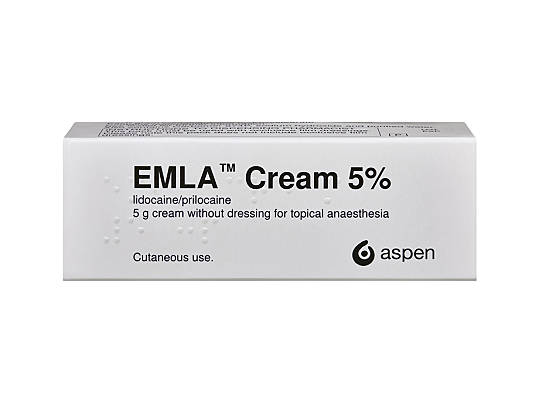
EMLA cream
EMLA cream is a numbing cream that reduces sensitivity. Apply 15 to 20 minutes before sex, then wash it off before starting. This helps delay ejaculation without affecting your partner.
Priligy
Priligy (dapoxetine) is a prescription tablet designed to treat premature ejaculation. It works by increasing serotonin levels and can help you last longer during sex. Take it 1 to 3 hours before sexual activity.
Fortacin spray
Fortacin spray is a prescription treatment for premature ejaculation. It contains two mild anaesthetics, lidocaine and prilocaine, which reduce sensitivity in the head of the penis and help improve control. You spray it onto the head of the penis about five minutes before sex, then gently wipe off any excess before intercourse.
You can request treatment through a simple online consultation. A doctor will check if it is suitable for you and, if approved, your medication will be delivered discreetly to your address.
Important – If stress, anxiety, or relationship worries are playing a role, talking therapy can also help. Many men benefit from a mix of behavioural techniques and medication.

from £26.99
from £13.00

No results found.
Please check your spelling or try another treatment name.

After completing her first degree, she went on to study graduate-entry medicine at Warwick University. After graduating as a doctor, she worked within the West Midlands in Urology, Respiratory Medicine, Infectious Disease, and Psychiatry before transitioning into a full-time medical communications role.
Meet our doctorsLast reviewed: 15 Jul 2025
-
Alcohol-associated sexual dysfunction: How much is the damage?, Medical Journal Armed Forces India [accessed 10 June 2025]
-
EMLA Cream 5% (PIL), EMC [Accessed 5 June 2025]
-
Ejaculation problems, NHS [Accessed 5 June 2025]
-
Fortacin 150 mg/ml + 50 mg/ml Cutaneous spray solution (PIL) [Accessed 10 June 2025]
-
Men and alcohol, Institute of Alcohol Studies [accessed 5 June 2025]
If you are finding that you ejaculate during sex earlier than you’d like to, premature ejaculation treatment might help. ZAVA offers oral tablets and topical creams to help you delay ejaculation.








 Secure payment


